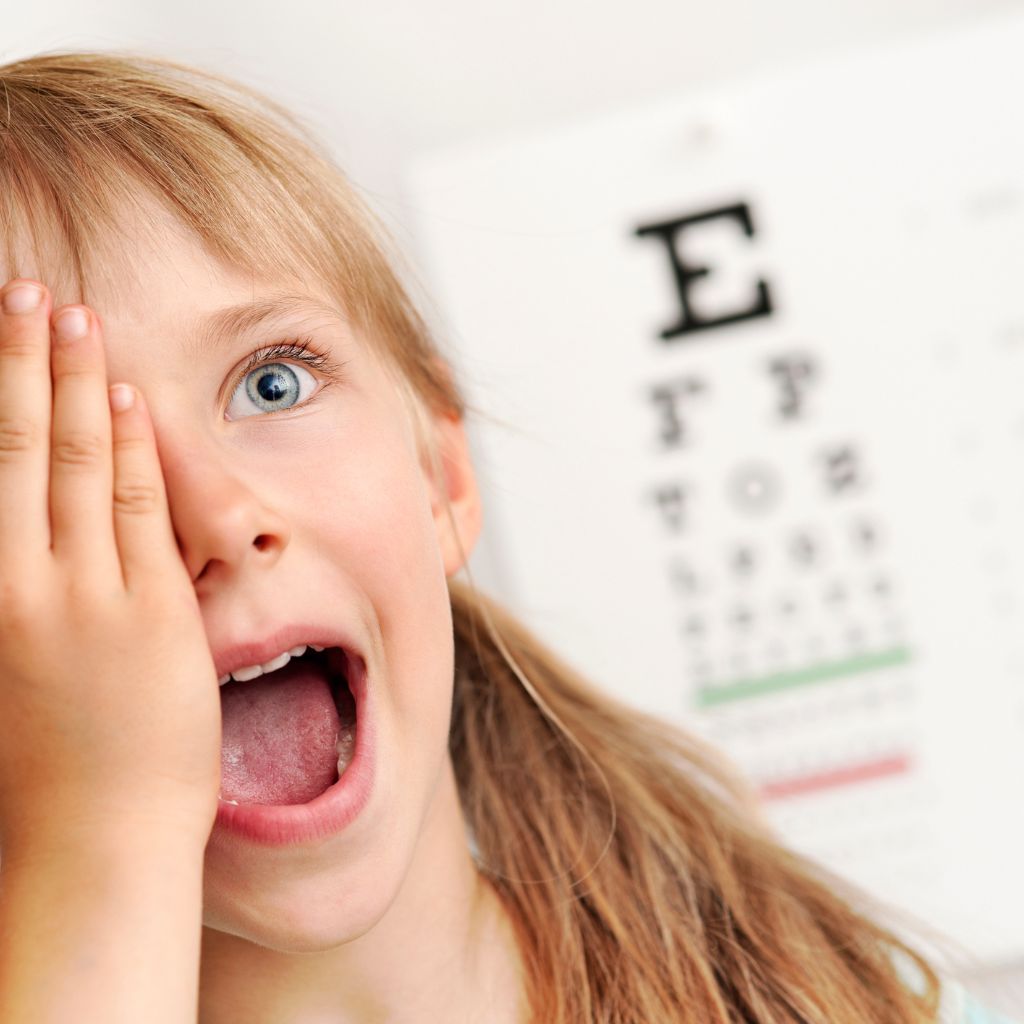
ADHD and vision: what is the link between ADHD and visual disorders?
ADHD and vision: what is the link between ADHD and visual disorders?
Recent scientific research is shedding light on a fascinating connection of growing interest in ophthalmology: the close relationship between ADHD and vision.
Attention and the visual system are closely interconnected, constantly influencing one another. Recent research into visual disorders and ADHD is providing new insights into this relationship. Let’s explore the latest findings.
What is the real connection between ADHD and vision?
Recent neuro-ophthalmological studies reveal that patients with ADHD may exhibit differences in how they process visual information.
These include fixation abnormalities, unstable saccades, and convergence disorders, which are currently being investigated.
These difficulties can affect binocular vision, which is the ability of both eyes to work together to produce a single visual perception.
Differences in eye movements
Several studies exploring the relationship between ADHD and vision also suggest differences in eye movements in children with ADHD.
Maintaining fixation, tracking a target, or performing saccades, the rapid eye movements that allow the eyes to shift from one point to another, may be less stable in some patients.
ADHD and vision : Which Visual Disorders Are Associated With ADHD?
A systematic review published in 2023 in Molecular Psychiatry, covering 35 studies and more than 3.2 million participants, identified an association between ADHD and several eye disorders, including:
Differences in visual accommodation, which allows the eye to focus on objects at different distances, have also been reported.
The role of the retina and dopamine
Furthermore, the retina, which shares a common embryonic origin with the brain, opens up new avenues for studying ADHD and vision through neurochemical markers associated with dopamine. However, this area of research remains exploratory: no retinal biomarker can currently be used to diagnose ADHD.
When someone struggles to coordinate their eyes during near-vision tasks, visual and cognitive fatigue may worsen concentration difficulties, sometimes creating a clinical overlap between visual disorders and ADHD.
Why should ADHD and vision be reassessed in clinical practice?
During consultations, it is not uncommon to encounter undetected functional visual disorders that mimic or worsen attention difficulties.
Someone who struggles to maintain visual fixation, coordinate both eyes, or follow a line of text may exhibit avoidance behaviors, fatigue, or restlessness that closely resemble certain symptoms of ADHD.
Which visual symptoms should parents look out for in children?
When examining the relationship between ADHD and vision in children, several warning signs may indicate a visual problem:
frequently losing their place while reading;
rereading the same sentence several times;
rubbing their eyes;
holding a book excessively close to their face;
complaining of headaches after near-vision activities.
Although these symptoms alone are not sufficient to establish a diagnosis, they may warrant an eye examination.
These visual difficulties can then be addressed by our orthoptic team using MoveR immersive therapy.
Why is a comprehensive eye examination important?
Including a comprehensive eye examination in the care of a child with ADHD can help identify any associated visual disorders.
If necessary, an additional orthoptic assessment can provide a more detailed evaluation of oculomotor function and eye coordination.
A multidisciplinary approach to care
A more coordinated therapeutic approach involving ophthalmologists, orthoptists, and neurodevelopmental specialists makes it possible to address the full range of a patient’s difficulties, reduce visual fatigue, and improve everyday comfort.
However, when exploring the relationship between ADHD and vision, it is essential to remember that an eye examination cannot diagnose ADHD and that visual disorders do not cause this neurodevelopmental condition.
In conclusion
In conclusion, managing oculomotor dysfunctions and attention difficulties requires a comprehensive approach. An eye examination and, when necessary, a targeted orthoptic assessment are valuable tools for identifying visual disorders associated with ADHD and providing meaningful relief.
A better understanding of the relationship between ADHD and vision is particularly important to ensure that visual difficulties that could interfere with learning and everyday activities are not overlooked. In cases of reading difficulties, visual fatigue, or recurring headaches, a comprehensive eye examination can help identify potential problems and guide patients toward appropriate care when necessary.
Sources
1. Bellato et al. (2023) – Association between ADHD and vision problems. A systematic review and meta-analysis. Molecular Psychiatry, 28, 410–422. Lire l’étude sur PubMed.
2. Demirdöğen et al. (2024) – Objective Parameters in Attention Deficit Hyperactivity Disorder: Eye and Head Movements. Journal of Attention Disorders, 28(6), 982–991.Lire l’étude sur PubMed
3. Martinez-Perez et al. (2026) – Visual Function and Potential Neurodevelopmental Ocular Markers in ADHD: A Systematic Review and Meta-Analysis. Journal of Attention Disorders, publié le 25 août 2026.Consulter la publication sur PubMed
Nous utilisons des cookies pour vous garantir la meilleure expérience sur notre site web. Si vous continuez à utiliser ce site, nous supposerons que vous en êtes satisfait.