Contact lenses and swimming: what are the risks to your eyes?
Contact lenses and swimming: what are the risks to your eyes?
Wearing contact lenses while swimming may seem convenient, but this practice carries significant risks for eye health.
Read on to find out why it can be dangerous.
Contact lenses and swimming : a risk for the cornea ?
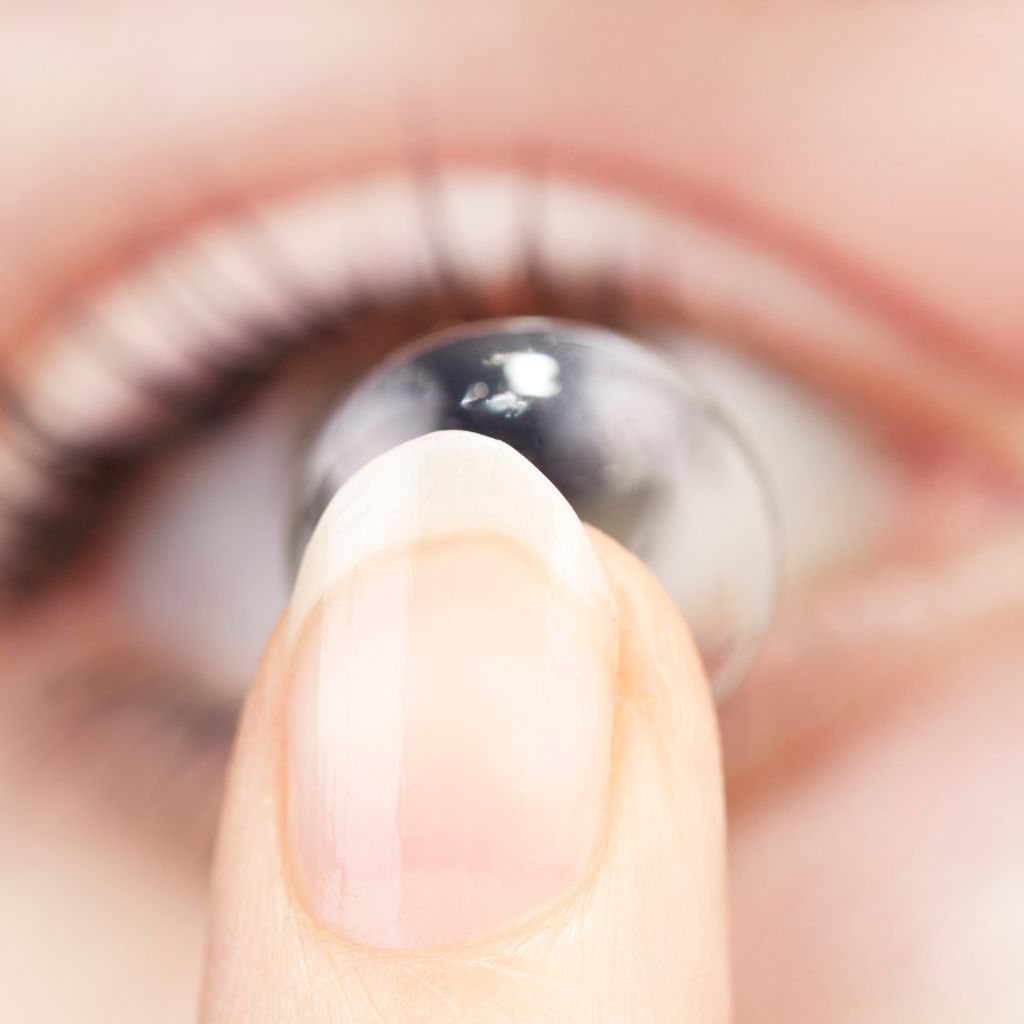
When contact lenses are worn while swimming, whether in a swimming pool, lake, or the sea, they can provide an environment in which germs and bacteria can multiply.
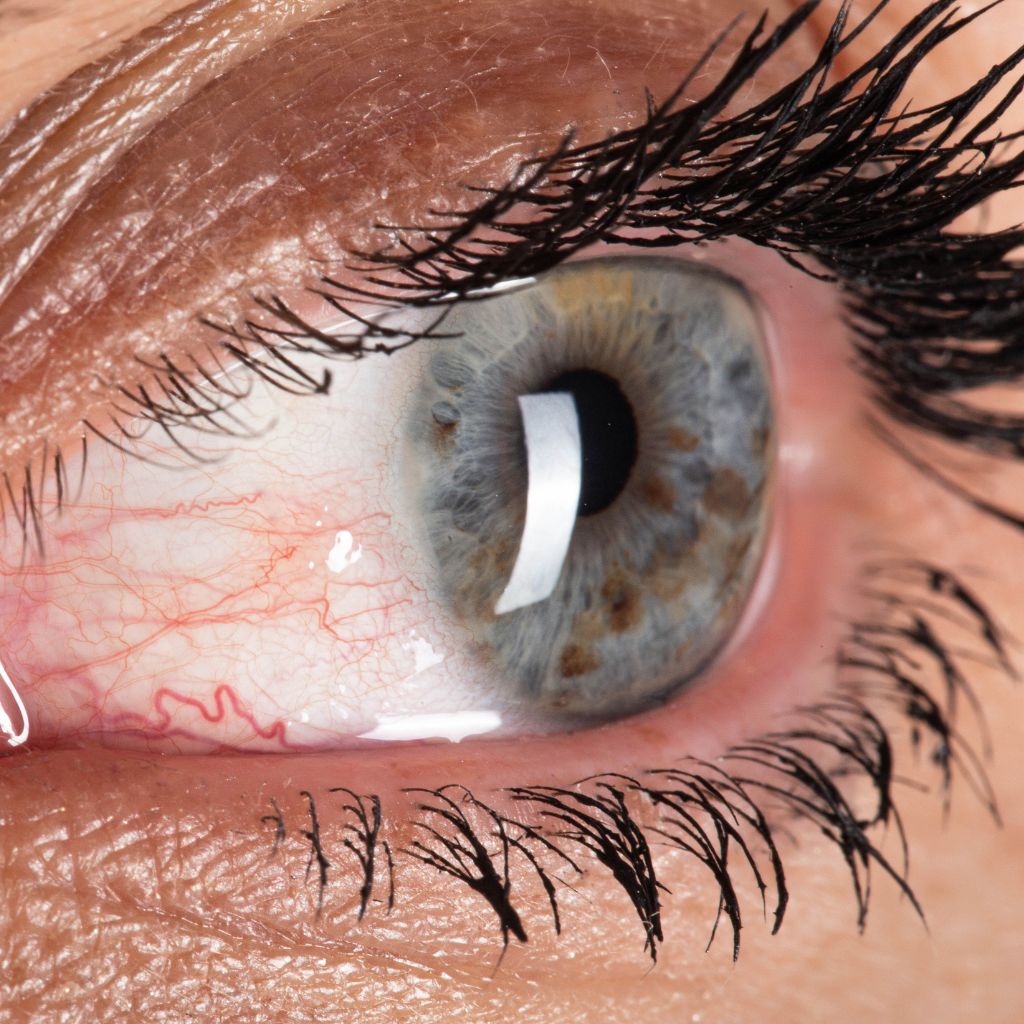
Water may contain amoebae, viruses, and bacteria, including microorganisms that can cause keratitis. This infection of the cornea may lead to visual disturbances and require medical treatment from an ophthalmologist.
Water can also expose the eyes to microorganisms that may become trapped beneath the contact lens, further increasing the risk of corneal infection.
This transparent surface of the eye becomes particularly vulnerable, regardless of whether you wear soft or rigid contact lenses.
Which germs and bacteria can be found in water?
Exposing the eyes to potentially contaminated water creates a genuine risk of infection, even when the water appears clean or has been treated.
In some cases, patients may experience a foreign-body sensation in the eye. This warning sign should prompt you to consult a specialist as soon as possible.
Contact lenses and swimming: how can they affect eye comfort and oxygen supply?
Wearing contact lenses while swimming also increases the risk of irritation and eye discomfort, as water can disrupt the tear film and the eye’s natural moisture balance.
It is also important to note that wearing contact lenses for prolonged periods while swimming, including corneal or silicone hydrogel lenses, can reduce the amount of oxygen reaching the cornea.
This may cause discomfort and further increase the risk of infection. An adequate oxygen supply is essential to help prevent complications such as corneal abscesses or conjunctivitis.
A contact lens that moves out of position while swimming may also temporarily affect the field of vision and cause significant discomfort.
What are the best options for swimming if you wear contact lenses?
Given the risks associated with wearing contact lenses while swimming, the best recommendation is to remove your lenses before entering the water and wear suitable swimming goggles instead.
This not only helps protect your eye health but also provides greater comfort and clearer vision.
When wearing contact lenses is absolutely necessary, some people choose daily disposable lenses. However, these must be removed and discarded immediately after swimming to reduce the risk of infection.
Why are wearers of certain types of contact lenses more exposed to risk while swimming?
When it comes to contact lenses and swimming, people who wear toric or corrective lenses need to be especially careful, as the risks may be even greater.
A contaminated contact lens can cause temporary changes in vision, particularly in people with myopia or astigmatism, and may affect visual acuity.
Cosmetic contact lenses may also create an additional risk when worn underwater.
Regardless of the type of contact lenses used, it is preferable to remove them before taking part in any water-based activity to minimise the risk of potential complications.
What are the best options for swimming if you usually wear contact lenses?
Given the risks associated with wearing contact lenses while swimming, the best recommendation is to remove your lenses before entering the water and wear suitable swimming goggles instead.
This not only helps protect your eye health but also provides greater comfort and clearer vision.
When wearing contact lenses is absolutely necessary, some people choose daily disposable lenses. However, these must be removed and discarded immediately after swimming to reduce the risk of infection.
Another option is to consider overnight rigid contact lenses, also known as orthokeratology lenses, so that you do not need to wear any lenses during the day.
What precautions should you take to protect your eye health?
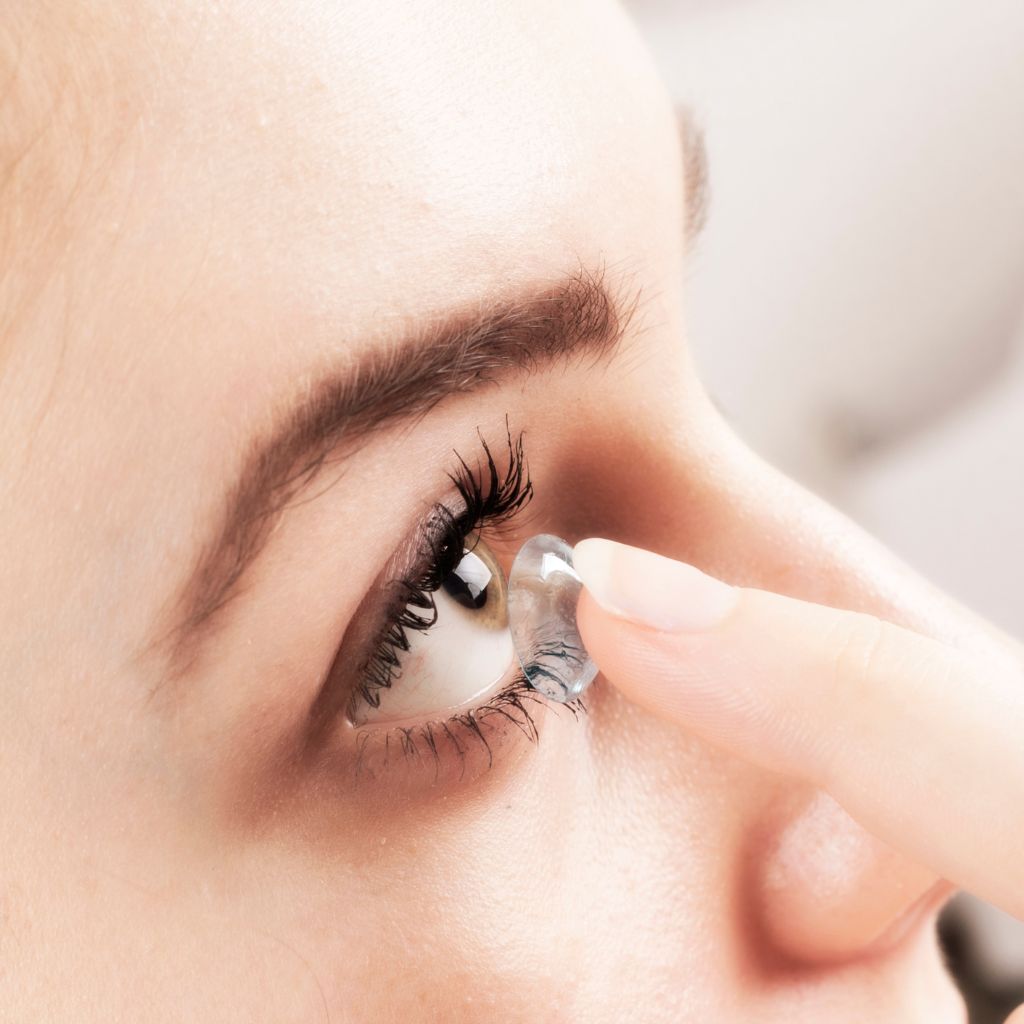
It is essential to wash your hands before inserting contact lenses and to follow the advice of your optician or ophthalmologist regarding the type of lenses best suited to your lifestyle.
Whatever type of vision correction you require, specialists emphasise that contact lenses and swimming are not a safe combination. Avoiding all contact between your lenses and water is the best way to protect your vision.
If you experience discomfort, redness, or pain after swimming, remove your contact lenses immediately and seek medical advice promptly to rule out an infection or other eye complication.
Why is proper contact lens care essential after swimming?
Contact lenses are now widely used to correct a range of visual problems. However, certain everyday activities, such as swimming, require special precautions to prevent complications.
Contact lenses, particularly disposable or daily lenses, perform best when they are properly cared for using an appropriate contact lens solution.
Swimming exposes contact lenses to seawater, swimming-pool water, and sometimes tap water, all of which may contain impurities and potentially infectious deposits. You should therefore remove your lenses before going swimming this summer.
It is also important to remember that contact lenses and contact lens cases should never be rinsed with tap water!
Only suitable contact lens solutions or sterile saline solution, depending on the recommendations of your healthcare professional, should be used for lens care.
The precautions required may also vary depending on the type of lenses you wear, whether they are daily, monthly, or annual lenses. Do not hesitate to discuss this with your optician, ophthalmologist, or a contactologist.
In conclusion
Although wearing contact lenses while swimming may seem convenient, it is strongly recommended that you remove them to avoid potentially serious eye complications.
Adopting good contact lens habits and following the recommendations of eye care professionals can help preserve both your visual comfort and long-term eye health.
Nous utilisons des cookies pour vous garantir la meilleure expérience sur notre site web. Si vous continuez à utiliser ce site, nous supposerons que vous en êtes satisfait.