Physical activity is beneficial for overall health, but certain eye conditions require extra precautions. This is especially true for people who exercise with glaucoma, which can raise many questions. A proactive, preventive approach is essential to protect eye health while continuing to enjoy sports safely. This article explains everything you need to know to exercise safely despite having glaucoma.
Is exercise possible with glaucoma?
For people living with glaucoma, and especially chronic glaucoma, sports participation can raise concerns.
Some physical activities can cause fluctuations in intraocular pressure or even trauma to the eye.
For example, contact sports and activities involving abrupt head movements must be approached with caution and, in some cases, avoided.
This is why if you want to exercise with glaucoma, it will require specific precautions and professional guidance.
Which sports pose a risk with glaucoma?
In the case of open-angle glaucoma, the leading cause of irreversible blindness worldwide, certain sports should be practiced carefully.
Intense efforts such as heavy weightlifting or crossfit can raise intraocular pressure and damage the visual field.
Contact sports (boxing, rugby, martial arts) increase the risk of direct eye trauma, which can worsen lens or optic nerve damage.
Ophthalmologists generally recommend avoiding these activities if you have a family history of glaucoma or are already receiving treatment for glaucoma.
Regular exercise with glaucoma should always be adapted and supervised by an eye care professional.
Exercise with glaucoma : which sports are safest for your eyes ?
Gentle physical activity is recommended as part of glaucoma management. Regular exercise with glaucoma helps maintain overall health while following medical advice.
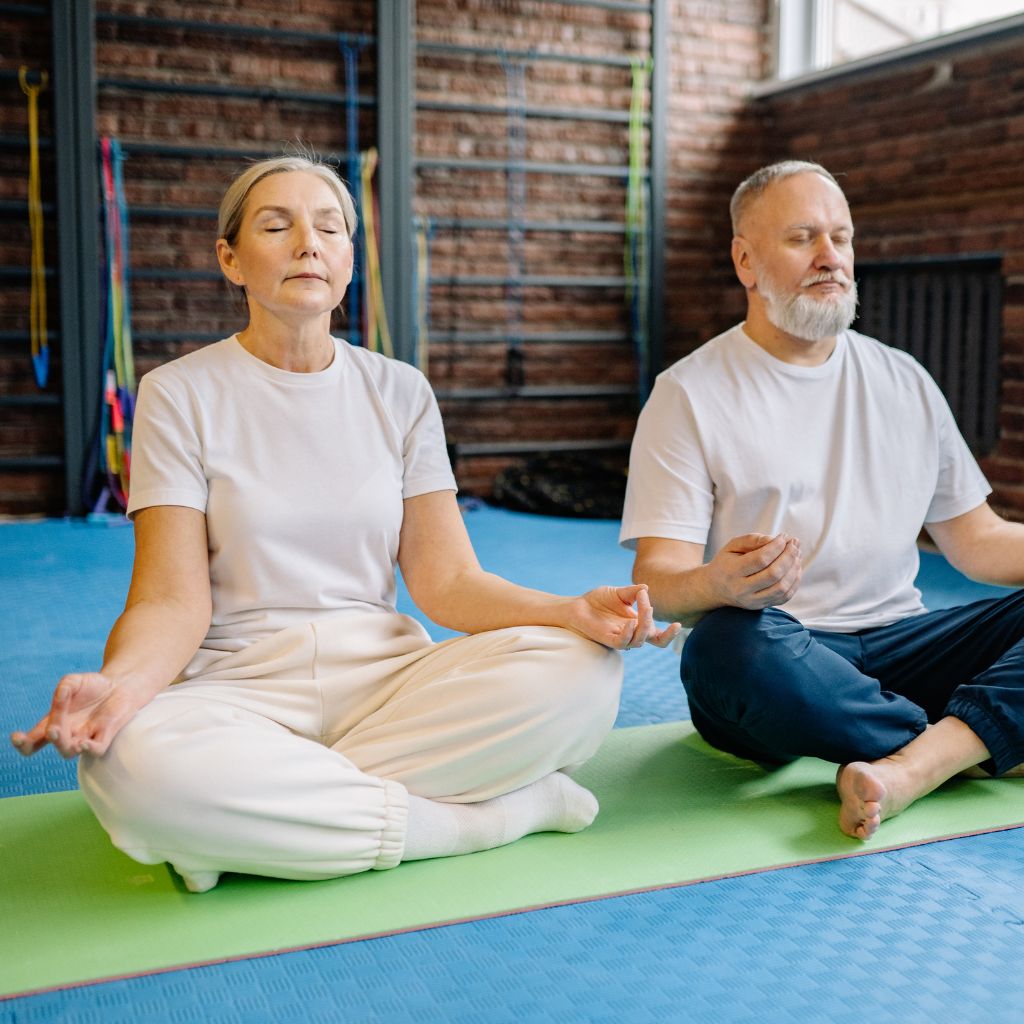
Walking, swimming, adapted yoga, or cycling can help lower intraocular pressure and support eye health.
Combined with well-managed medical or surgical treatment, these activities can help stabilize the condition and preserve the visual field.
What is glaucoma?
Glaucoma is an eye disease characterized by an increase in intraocular pressure (IOP), which can damage the optic nerve and lead to irreversible vision loss.
There are different types of glaucoma, including chronic open-angle glaucoma and acute angle-closure glaucoma.
Each type has different symptoms, ranging from asymptomatic ocular hypertension to acute attacks, which usually cause severe pain and a rapid decline in visual acuity. If you exercise with glaucoma, it can affect intraocular pressure. Therefore, any sports activity should be discussed with an eye care professional.
Angle closure and ocular hypertension are concerning conditions that may require draining fluid from the ciliary body to improve aqueous humor outflow.
What are the risks for intraocular pressure?
Because of the risk of increased intraocular pressure, it is important to discuss your sports routine with an ophthalmologist. This consultation allows exercise with glaucoma to be adapted to your personal situation.
Your eye doctor will consider family history, level of ocular hypertension, and current treatments such as eye drops or laser therapy.
Regular screening of visual acuity and intraocular pressure measurement is crucial for effective glaucoma management.
Which treatments influence exercise with glaucoma?
Before prescribing treatment, your eye care professional will perform a thorough eye examination, including anterior chamber assessment, corneal evaluation, and optic nerve head analysis to check for excavation or nerve damage.
In some cases, filtering surgery may be necessary when medications such as prostaglandin analogues or beta-blockers are not enough to control pressure.
Possible side effects of treatment must also be considered, as they can impact your ability to exercise safely.
Managing ocular hypertension is essential, especially for patients with angle-closure glaucoma, where IOP may rise suddenly.
When to consult an ophthalmologist?
Early screening is key: detecting visual problems at the first signs allows for proper adjustment of glaucoma treatment.
After sports, the sudden appearance of blurry vision, headaches, or a rapid decrease in visual acuity should prompt consultation.
Your ophthalmologist can adjust medical treatment, recommend closer follow-up, or suggest surgical options if needed. Being vigilant is the best way to limit complications and continue enjoying the benefits of exercise with glaucoma while preserving eye health.
In conclusion
People with glaucoma must be aware of the risks related to their condition and maintain regular contact with their ophthalmologist.
Exercise with glaucoma should be chosen according to the stage of the disease, current treatment, and medical history to minimize the risk of worsening, vision loss, or blindness.
Nous utilisons des cookies pour vous garantir la meilleure expérience sur notre site web. Si vous continuez à utiliser ce site, nous supposerons que vous en êtes satisfait.