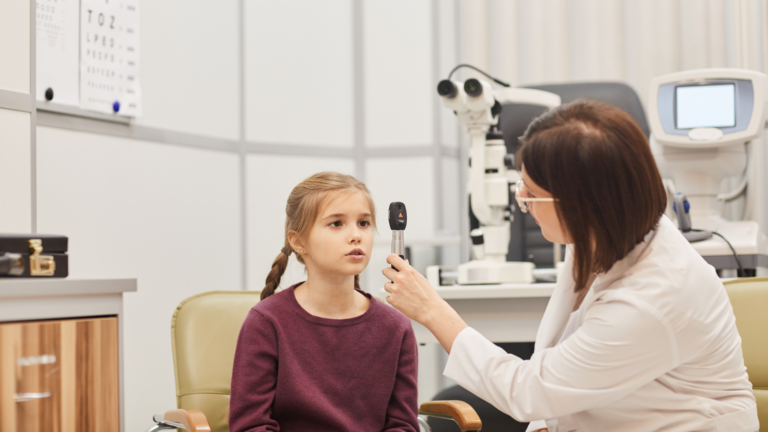
At what age should your child see a pediatric ophthalmologist?
Consulting a pediatric ophthalmologist is essential for detecting and treating eye conditions in children.
The visual health of your child is crucial, as early consultation can help prevent long-term vision problems.
Here is a guide to help you understand when your child should see a pediatric ophthalmologist, when to schedule an eye examination, and in which situations ophthalmologic follow-up is recommended.
Should your child see a pediatric ophthalmologist at birth?
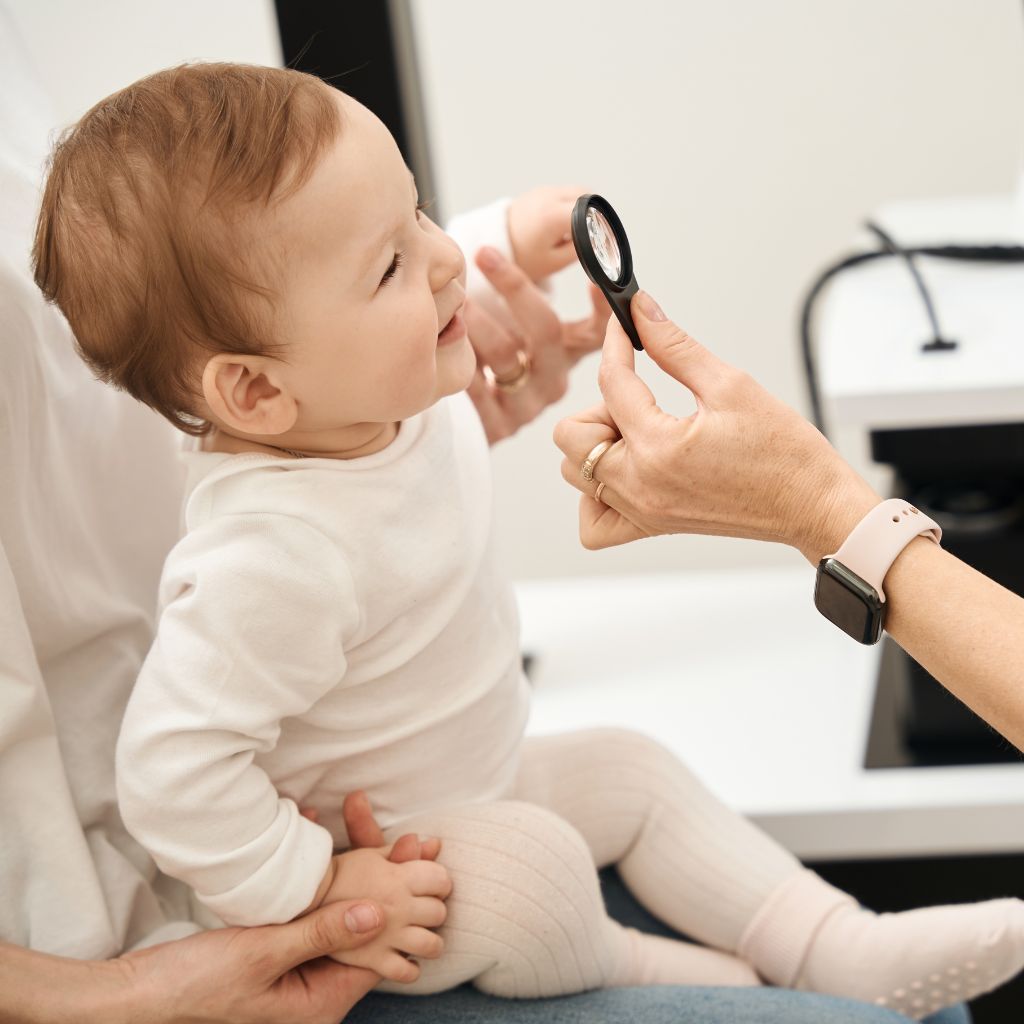
It is recommended to perform a vision screening within the first days of life of your child in order to detect any congenital eye condition and ensure prompt medical management if necessary.
The tests performed during this period can identify congenital abnormalities such as cataracts or malformations of the eyeball.
Pediatricians and vision specialists can also assess the presence of degenerative eye diseases or potential retinal disorders.
At what age should your child have their first comprehensive eye examination?
At age 3
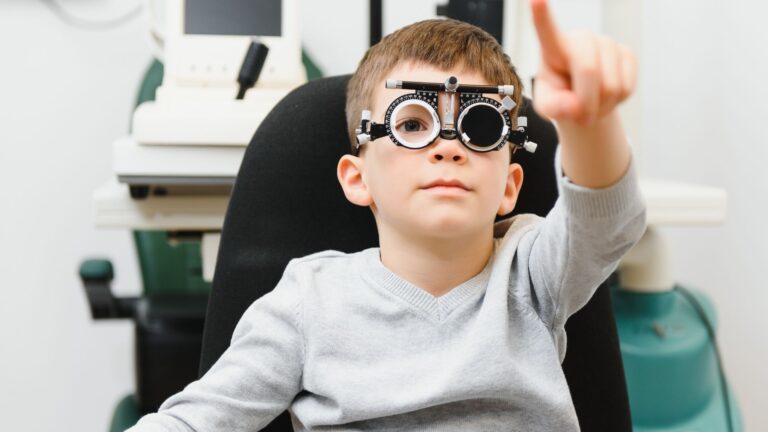
At this age, a comprehensive examination of your child by a pediatric ophthalmologist is recommended to assess visual acuity and detect conditions such as:
strabismus (crossed eyes) ;
amblyopia (lazy eye) ;
refractive errors such as myopia, hyperopia, or astigmatism.
If left untreated, these conditions can lead to significant visual impairment and permanent vision disorders.
Our ophthalmology department may prescribe eyeglasses or contact lenses depending on the child’s needs.
Should your child see a pediatric ophthalmologist before starting school?
Between ages 6 and 7
When your child starts school, it is important to consult a pediatric ophthalmologist for a complete eye examination and, if necessary, functional vision testing.
This assessment helps evaluate:
- binocular vision ;
- visual development ;
- the child’s ability to follow school activities such as reading and writing.
Visual field testing and color vision assessment may also be performed.
If a retinal disorder is suspected, our ophthalmologist may recommend additional examinations, such as fluorescein angiography.
When should your school-age child see a pediatric ophthalmologist?
Between ages 7 and 18
Throughout childhood and adolescence, regular visits to a pediatric ophthalmologist help monitor visual development.
Children may experience various vision disorders, such as macular degeneration or refractive errors, which may require regular follow-up appointments with an ophthalmologist.
Regular eye examinations are particularly important when there is a family history of glaucoma or other eye disorders.
Persistent visual symptoms should always prompt a consultation, even during adolescence !
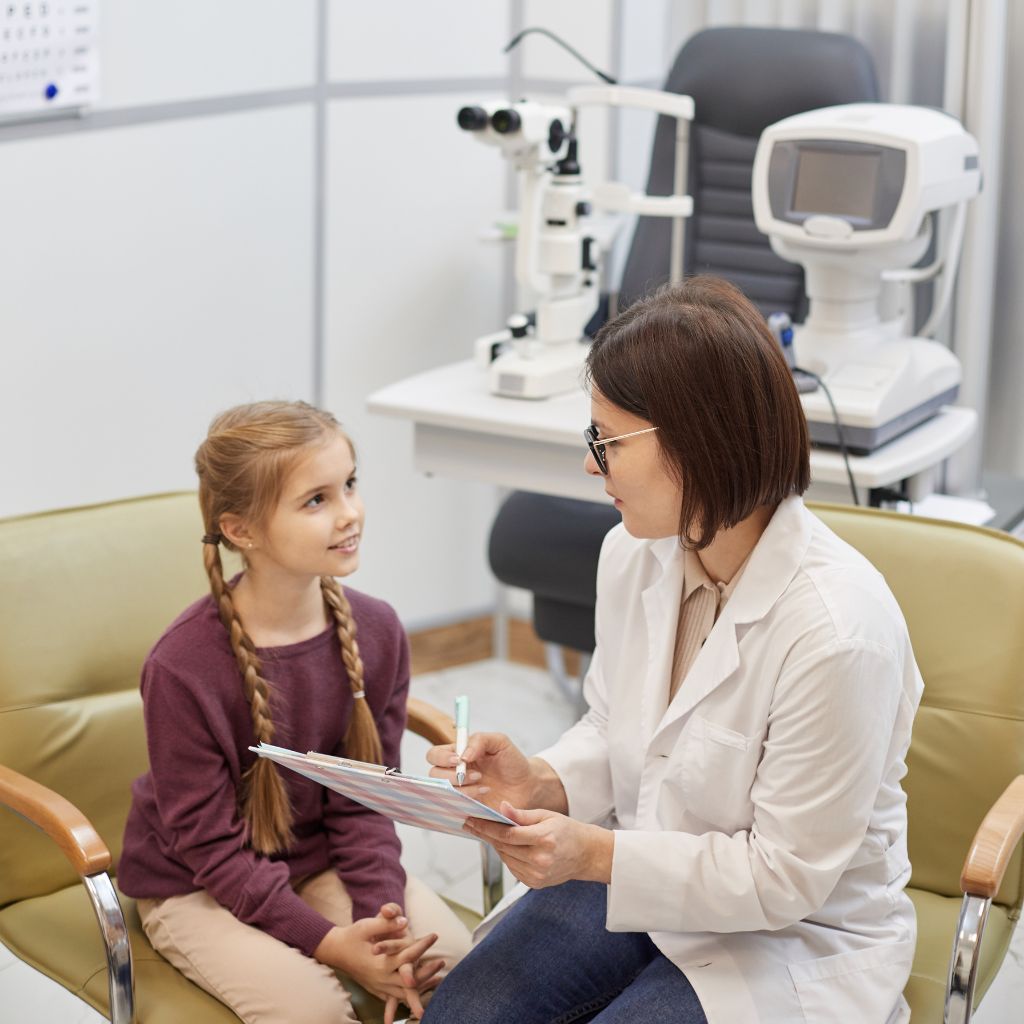
When should your child see a pediatric ophthalmologist if warning signs appear?
If your child experiences symptoms such as reduced visual acuity, eye pain, redness, or blurred vision, it is important to schedule an appointment promptly.
Certain ophthalmic emergencies, such as retinal detachment or nasolacrimal duct obstruction, require urgent evaluation and appropriate management by an experienced ophthalmologist.
At what age should your child see a pediatric ophthalmologist if there is a family history or a congenital condition?
Certain eye diseases may be hereditary or present from birth.
If there is a family history of strabismus, glaucoma, high myopia, or retinal disease, your child should see a pediatric ophthalmologist as soon as possible.
Some congenital conditions can be detected through a specialized eye examination.
The pediatric ophthalmologist will assess factors such as the clarity of the ocular media, pupil responses, and the proper development of ocular structures.
In these situations, consulting a pediatric ophthalmologist during the first years of life of your child allows appropriate management to be initiated if necessary.
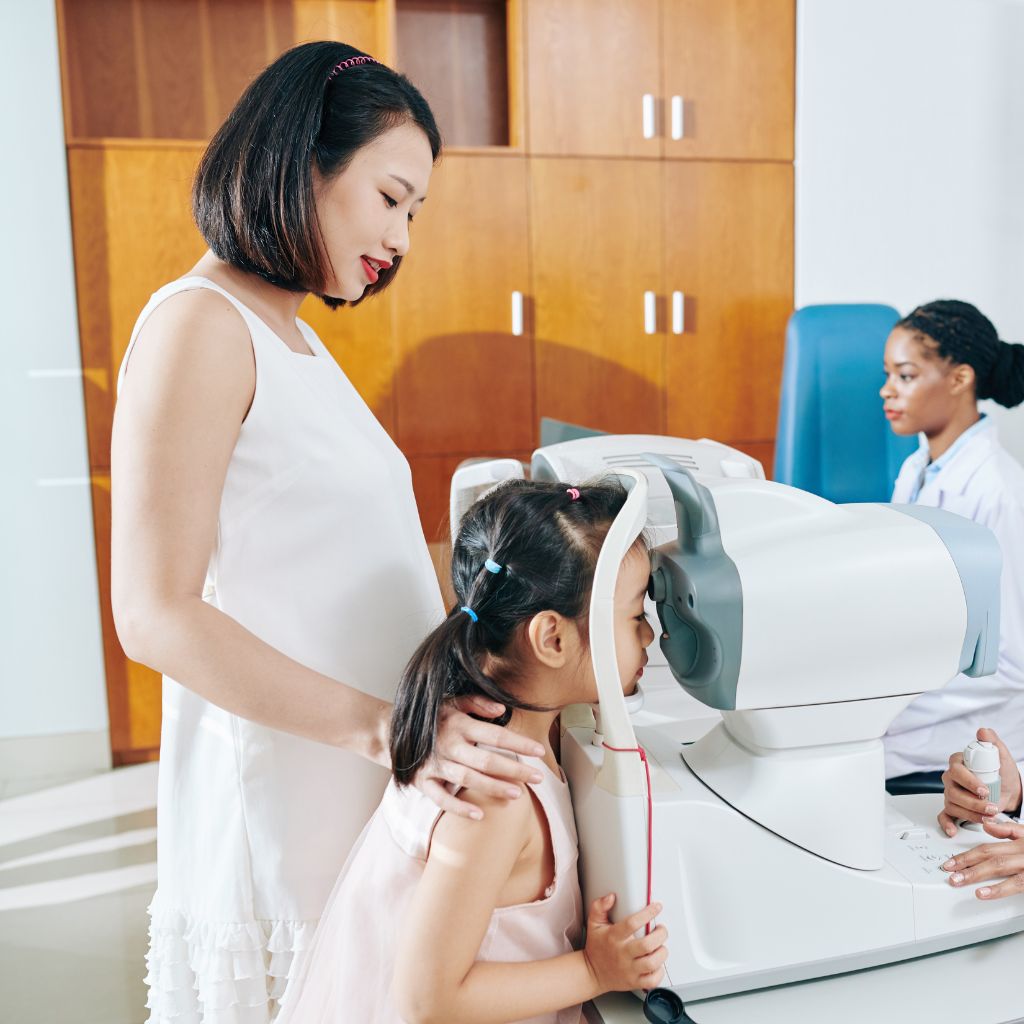
At what age should your child undergo additional eye examinations?
When a visual disorder is present or an abnormality is suspected, the ophthalmologist may prescribe further investigations.
These may include a dilated fundus examination to evaluate the retina and optic nerve.
In the presence of a family history of eye disease, consultation with a pediatric ophthalmologist from an early age is recommended.
Depending on the child’s needs, additional functional tests may also be performed to assess visual abilities in greater detail.
These examinations can be carried out at any age and are adapted to each child by the pediatric ophthalmologist.
They help guide diagnosis and ensure appropriate medical management.
At what age should your child see an ophthalmologist and an orthoptist?
Ophthalmologists frequently work in collaboration with orthoptists, particularly when a child presents visual coordination difficulties or binocular vision disorders.
Your child can be evaluated by an orthoptist from a very young age.
An orthoptic assessment may be prescribed to evaluate eye function and the ability of both eyes to work together effectively.
This evaluation is particularly useful for screening strabismus and investigating certain difficulties encountered during reading acquisition.
Depending on the results, vision therapy sessions may be recommended to support the child’s visual development.
At what age should your child see a pediatric ophthalmologist for a glasses prescription?
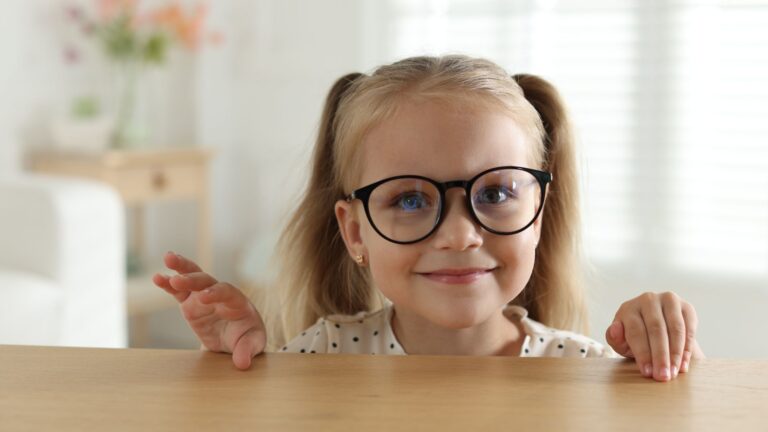
A baby can wear glasses from the first months of life.
A prescription for glasses may be necessary at any age when a visual defect is identified.
Following the examination, the ophthalmologist will prescribe the correction best suited to the child’s needs.
In some cases, particularly among adolescents, contact lens fitting may also be considered when appropriate.
Regular follow-up appointments help monitor visual development and adjust the prescription when necessary.
If your child requires glasses, consulting a pediatric ophthalmologist ensures age-appropriate care and treatment !
Where should your child see a pediatric ophthalmologist?
Consultations can be performed in an ophthalmology center such as our COP9 facility, which includes pediatric ophthalmology services.
The most important thing is to ensure access to care that is tailored to your child’s age and any identified eye conditions.
The pediatric ophthalmologist can then ensure regular medical follow-up, prescribe medical treatment when necessary, and coordinate care with other healthcare professionals.
If you have any concerns about your child’s vision, consulting a pediatric ophthalmologist allows early detection of visual disorders, provides access to specialized expertise, and helps preserve long-term visual health.
In conclusion
It is essential to raise awareness among parents and educators about the importance of regular eye examinations of your child.
By incorporating vision screenings into routine health assessments, children can benefit from optimal visual development from their earliest days, helping them better understand and interact with the world around them.
Whether you are a parent or a general practitioner, it is important to remain attentive to signs of visual impairment and not hesitate to consult a pediatric ophthalmology specialist for appropriate follow-up and care.