Visual disorders in children: how to protect their visual development?
Consulting a pediatric ophthalmologist is crucial at various stages of a child’s development, as good eye health is essential for optimal visual and cognitive development.
Below are several situations of visual disorders in children when an appointment with a pediatric ophthalmology specialist is recommended.
Early detection of visual disorders in children
The first ophthalmologic examinations can be performed as early as 6 months of age.
At this stage, an eye examination can detect ophthalmologic abnormalities such as strabismus, amblyopia, or corneal abnormalities.
Early detection of these conditions can prevent future complications, such as reduced visual acuity.
Orthoptics also plays a key role at this stage: an orthoptist can assess binocular coordination and the child’s visual field to ensure proper development of color vision and shape perception.
Some children suffer from congenital eye diseases, such as congenital cataracts, which require prompt medical management in a pediatric ophthalmology practice such as COP9 in Paris.
Routine eye examinations
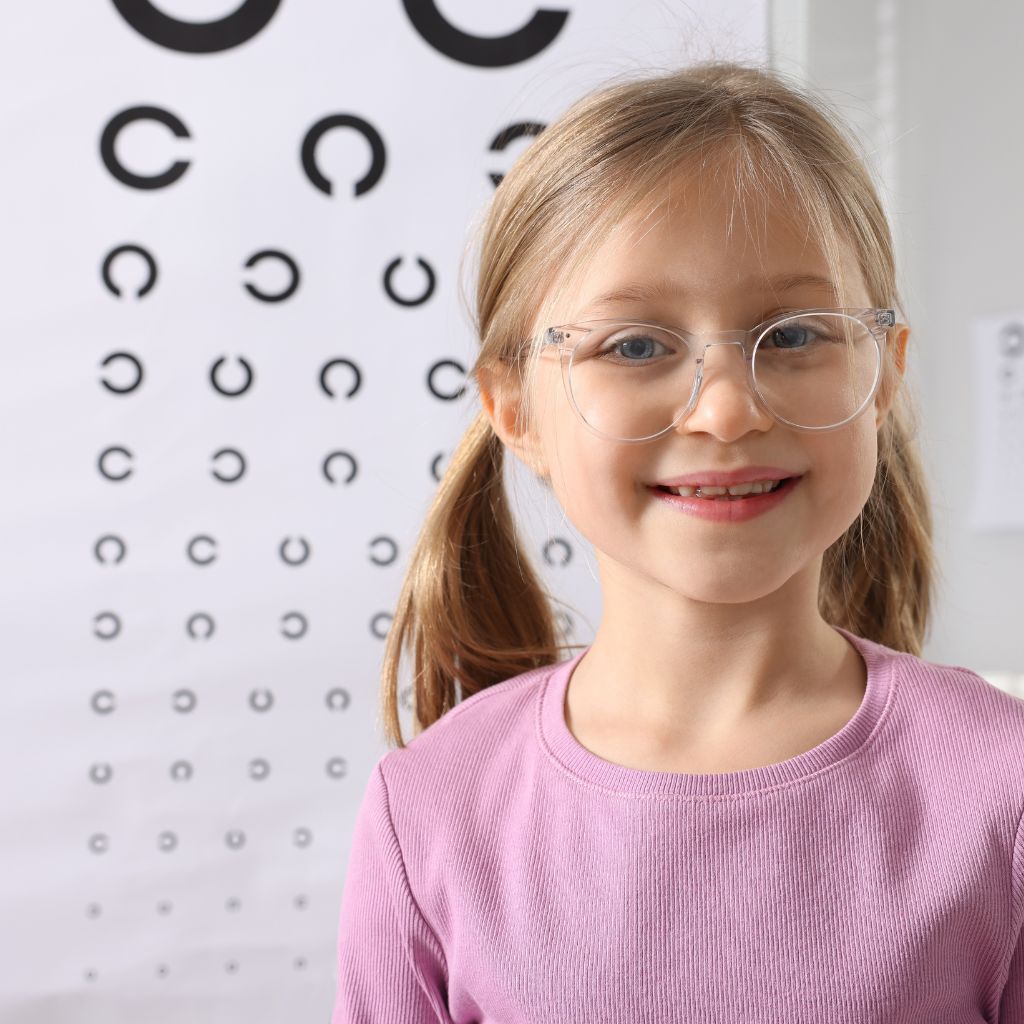
Screening guidelines recommend regular eye examinations, generally every two years, starting at the age of 3, provided the child does not require corrective lenses and does not present significant visual problems.
This helps ensure that visual development remains on track.
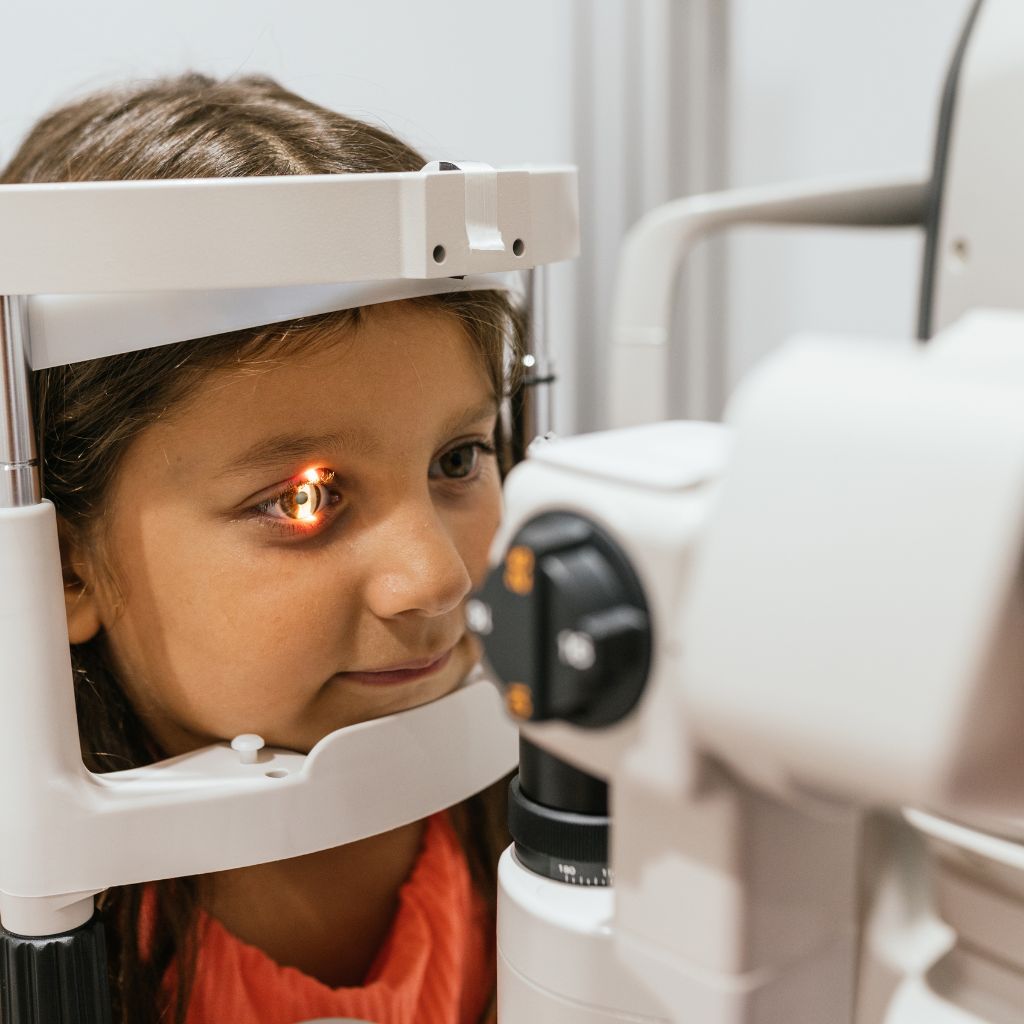
These eye examinations are performed in an ophthalmology center by a pediatric ophthalmologist, who evaluates binocular vision, shape perception, and color vision.
If abnormalities are detected, appropriate medical treatment or a prescription for glasses are provided to ensure early medical management.
Monitoring ocular conditions
Children may develop various ocular conditions, including refractive errors such as myopia, hyperopia, or astigmatism.
An ophthalmologist can prescribe appropriate corrective glasses and, if necessary, recommend refractive surgery at an appropriate age.
As part of medical treatment, eyeglass prescriptions are adjusted based on the results of a comprehensive eye examination.
Additional tests such as corneal topography or visual field testing may be performed to refine the diagnosis.
Specializedpediatric ophthalmology consultations ensure continuous medical care for children with eye diseases requiring long-term follow-up in a pediatric ophthalmology center.
Similarly, certain conditions may affect the lacrimal drainage system and require surgical intervention or injections, particularly in cases such as lacrimal duct obstruction.
In these situations, the pediatric ophthalmologist works closely with other healthcare providers to offer appropriate medical treatment.
Additional examinations, such as fundus photography or intraocular pressure measurement, allow for precise and individualized ophthalmologic follow-up.
Ophthalmologic emergencies
In cases of ocular trauma, retinal detachment, or sudden symptoms such as a rapid decrease in visual acuity, urgent ophthalmologic consultation is required.
Ophthalmologic emergencies must be taken very seriously to prevent permanent vision damage.
In such situations, consulting an ophthalmologist in an ophthalmology center or hospital is essential.
Rapid diagnosis helps prevent progression to severe visual disorders, sometimes accompanied by visual field loss or reduced binocular vision.
Macular degeneration and glaucoma
Although these conditions are more common in adults, some children may be affected by congenital forms of glaucoma or macular degeneration, particularly in the context of genetic diseases.
The ophthalmologist then performs a comprehensive eye examination, including visual field analysis, angiography, and other complementary tests to assess retinal health.
Medical treatment depends on the type of abnormality identified.
In some cases, surgical intervention may be necessary to prevent irreversible vision loss.
These situations require collaboration within a multidisciplinary medical team, including orthoptists, surgeons, and ophthalmologists, to ensure optimal care.
The role of the paediatric ophthalmologist in treating visual disorders in children
The role of the pediatric ophthalmologist is essential in the management of ophthalmologic and retinal conditions in children.
Regular specialized consultations, combined with additional tests such as ocular ultrasound, imaging, and orthoptic rehabilitation when necessary, help maintain good visual health.
If more serious conditions are suspected, the specialist may refer the child to subspecialties such as neuro-ophthalmology or perform specialized surgical procedures.
These measures ensure comprehensive ophthalmologic follow-up and tailored medical care for each child.
In a pediatric ophthalmology center, ophthalmologic consultations allow early detection of often congenitalvisual disorders before they interfere with learning or motor coordination. This ophthalmologic follow-up is an integral part of a child’s overall medical care.
In conclusion
It is therefore recommended to schedule an appointment with an ophthalmologist at the first sign of concern or when your child shows symptoms of visual disorders.
With appropriate ophthalmologic follow-up, many ocular conditions can be detected and treated effectively, allowing for healthy visual development in children.
Nous utilisons des cookies pour vous garantir la meilleure expérience sur notre site web. Si vous continuez à utiliser ce site, nous supposerons que vous en êtes satisfait.