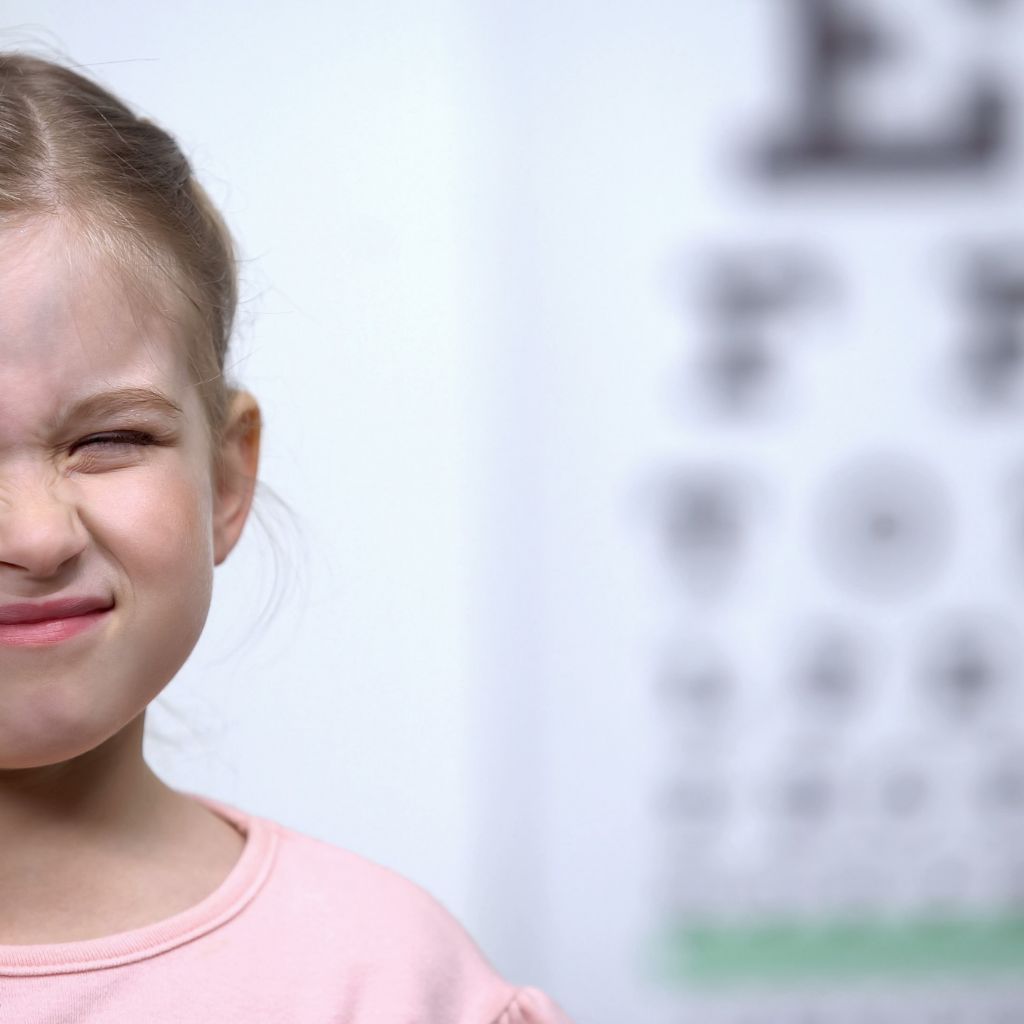
My child keeps blinking: when should I consult an ophthalmologist?
My child keeps blinking: when should I consult an ophthalmologist?
Blinking is a natural reflex that helps keep the eyes moist and remove foreign particles.
However, if your child keeps blinking frequently, it may be a sign of a visual disorder or another abnormality.
Which signs should genuinely cause concern, and when is it advisable to seek medical advice? Discover the main possible causes and the key recommendations in our COP9 article.
My child keeps blinking: what are the 5 warning signs?
If your child keeps blinking, certain associated symptoms may provide clues to the underlying cause.
1. Blurred vision
If your child complains of blurred vision or has difficulty seeing clearly at close range or from a distance, an eye examination is necessary.
Refractive errors such as myopia, hyperopia or astigmatism may be responsible for these symptoms.
If vision appears less clear in one or both eyes, it is important to investigate the cause.
When required, appropriate optical correction can improve the child’s visual acuity and reduce the effort needed to see clearly.
2. Eye strain
If your child keeps blinking, eye strain may be the cause, particularly after spending a prolonged period in front of a screen.
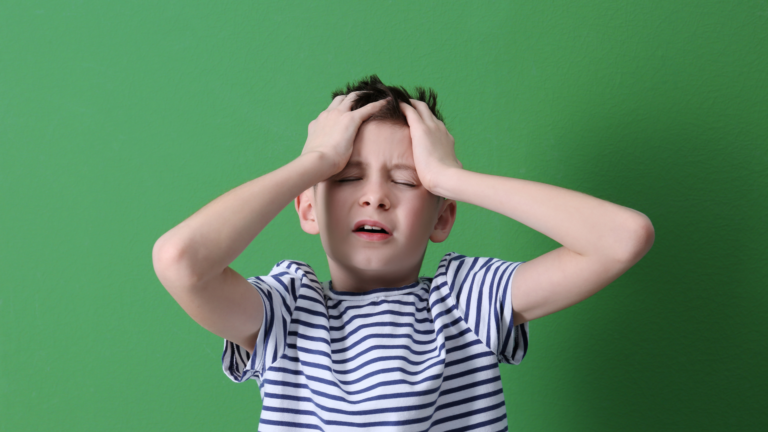
3. Headaches
If your child keeps blinking and suffers from recurrent headaches, this may indicate an uncorrected vision problem requiring prescription glasses or, depending on the child’s age, contact lenses.
Repeated headaches may sometimes be associated with migraine, but they may also be caused by significant visual strain.
If your child describes blurred vision or difficulty maintaining clear vision, an ophthalmic examination can help identify the cause of these symptoms and determine whether glasses are needed.
4. Dry eyes
If your child keeps blinking, dry eyes may be one possible explanation. Blinking more often can help relieve discomfort by redistributing the tear film across the surface of the eye.
This may be due to environmental factors or accommodative disorders that affect the ability to maintain adequate hydration of the ocular surface.
5. Impaired binocular vision
If your child keeps blinking, it may also be a sign that binocular vision is not functioning properly.
Conditions such as strabismus or amblyopia can prevent a child from seeing clearly and comfortably.
Eye convergence also plays an essential role in near vision.
Convergence insufficiency can cause discomfort when reading, eye strain, or difficulty maintaining a stable image with both eyes.
In this situation, an orthoptic assessment may be recommended to evaluate binocular vision function.
When should I consult a specialist if my child keeps blinking?
It is advisable to consult an ophthalmologist if the symptoms persist or are accompanied by other vision problems.
If your child keeps blinking frequently, the ophthalmologist can carry out a comprehensive eye examination to look for any underlying visual problems.
This assessment may include a vision test, visual acuity measurement and, where appropriate, a visual field assessment. It may also involve examining the cornea, retina and crystalline lens.
The aim is to detect any visual impairment at an early stage and provide appropriate treatment.
Early screening can help detect conditions such as age-related macular degeneration, retinopathy and refractive errors.
The ophthalmologist will determine whether the blinking is associated with a condition such as glaucoma orcataract, both of which can occur in children, or another potentially more serious disorder.
What should I do if my child keeps blinking?
If a vision problem is diagnosed, several treatment options may be considered.
Prescription glasses
If your child begins wearing glasses, it is important to ensure that the prescription is suited to their needs and checked regularly.
An appropriate prescription can reduce visual strain and improve visual acuity in everyday life.
Adapt your child’s environment
Make sure your child has adequate lighting when reading or using an electronic device.
Encourage them to take regular breaks to reduce eye strain and limit screen time.
Lubricating eye drops
If your child keeps blinking, artificial tears may be prescribed to relieve dry-eye symptoms.
Orthoptic treatment may be considered when the assessment identifies a convergence or binocular vision disorder.
Its aim is to improve eye movement coordination and visual comfort, particularly during activities that require both eyes to work together.
Notre équipe orthoptiste COP9
Book an appointment with an ophthalmologist
A child who keeps blinking does not necessarily have a vision problem. However, if the behaviour persists, it is advisable to have it assessed by an eye-care specialist.
If your child experiences blurred vision, headaches or persistent discomfort, it is best to seek advice from an ophthalmologist to identify the cause of the blinking and, if necessary, provide appropriate optical correction or orthoptic treatment.
In conclusion
If you notice that your child keeps blinking frequently, it is important not to dismiss the symptom.
A comprehensive ophthalmic examination can help ensure that your child’s eyes remain healthy and identify any potential problems at an early stage.
Early detection is essential to prevent long-term vision problems and preserve good visual acuity throughout your child’s development.
Nous utilisons des cookies pour vous garantir la meilleure expérience sur notre site web. Si vous continuez à utiliser ce site, nous supposerons que vous en êtes satisfait.