An eye injury in children requires prompt and appropriate action to reduce the risk of complications and help preserve vision.
In today’s COP9 article, we explain how to recognize the signs of an eye injury in children, what to do immediately, and when emergency ophthalmic care is needed !
How to recognize an eye injury in children ?
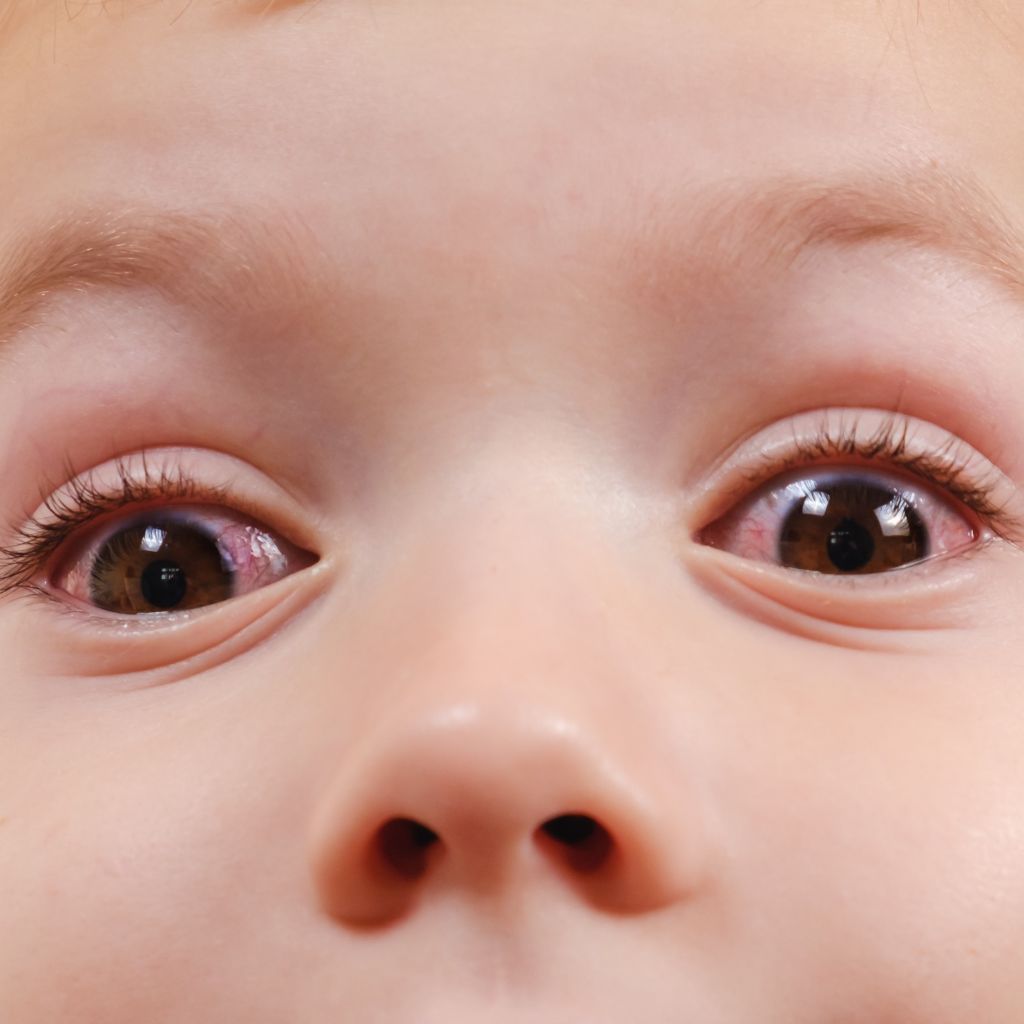
An eye injury in children may cause a range of symptoms, including eye redness, excessive tearing, severe eye pain, or even vision loss.
Eye injuries may result from foreign bodies, subconjunctival hemorrhage, or retinal injuries.
In more severe cases, an eye injury in children may lead to retinal detachment or optic nerve damage, making an urgent ophthalmic assessment essential.
A red eye, conjunctival injury, reduced vision, visual disturbances, or any other unusual symptom should prompt parents to seek medical advice.
Early assessment by apediatric ophthalmologist is essential to protect the eye and minimize long-term complications.
The ophthalmologist will perform a comprehensive eye examination to evaluate the lens, binocular vision, and identify any underlying eye condition.
1. Do not touch the eye
To avoid making an eye injury in children worse, do not rub the eye or attempt to remove a foreign body, especially if it is deeply embedded in the cornea or on the surface of the eye.
2. Rinse the eye
If the eye has been exposed to a chemical, rinse it immediately with clean water or sterile saline solution for at least 15 minutes.
If the foreign body is superficial, gentle irrigation may help remove it.
3. Protect the eye
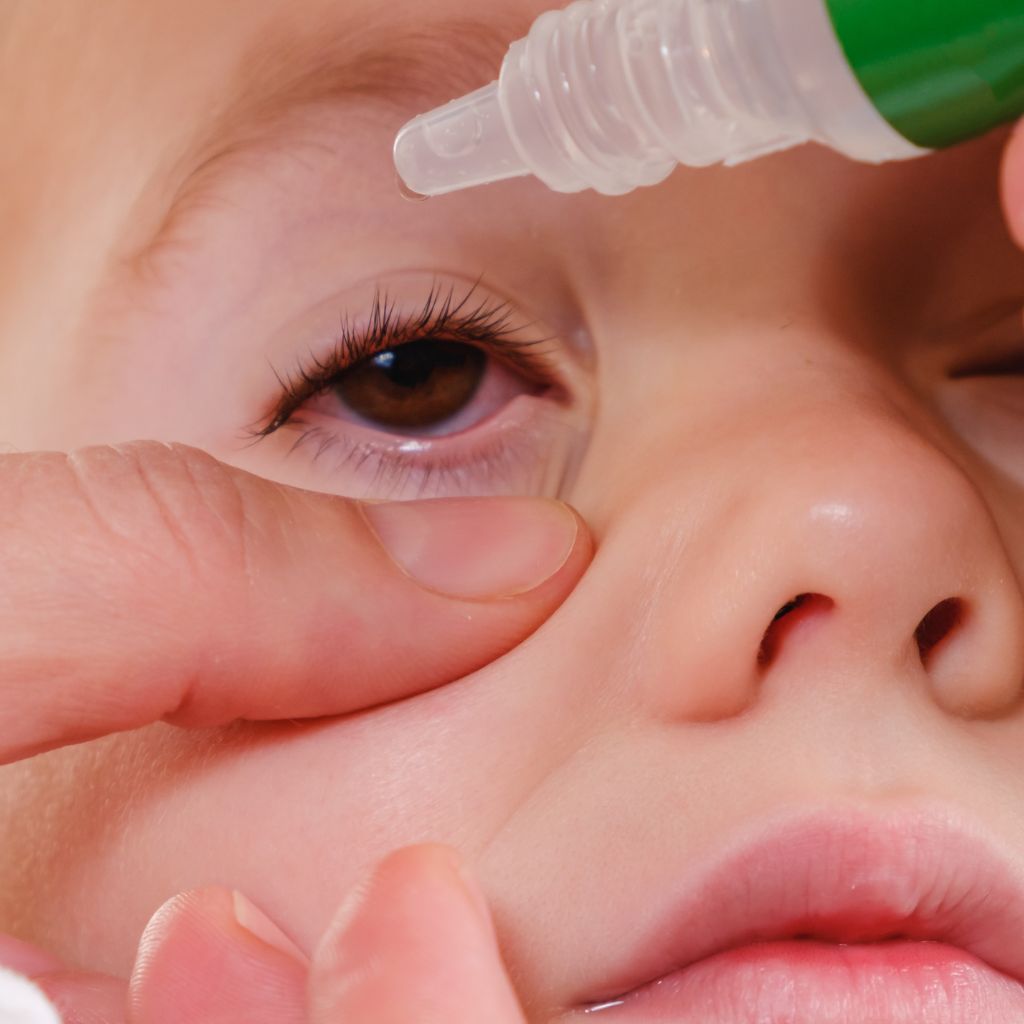
Cover the injured eye with a sterile dressing or a clean cloth until the child can receive medical attention. Do not use eye drops unless prescribed by a healthcare professional.
When should you seek medical care for an eye injury in children?
An eye injury in children should be assessed by an ophthalmologist as soon as possible, whether at a community eye clinic or a hospital emergency ophthalmology department, especially if the child experiences reduced visual acuity, severe pain, persistent redness, or visual field defects.
Emergency medical attention is recommended if the eye is particularly painful or if the pain is sudden and severe.
The ophthalmologist may perform a dilated fundus examination, together with any additional investigations and functional vision tests, to diagnose retinal injuries or damage to other ocular structures.
What treatments are available for an eye injury in children?
Treatment for an eye injury in children depends on the severity of the condition and may involve different types of intervention.
Treatment may range from medical management, including antibiotic eye drops to prevent infection, to surgical procedures when required.
In cases of retinal detachment, emergency surgery may be necessary to prevent permanent vision loss.
Care is provided by a multidisciplinary ophthalmology team to ensure that treatment is tailored to each child’s individual needs.
What follow-up is needed after an eye injury in children?
Following an eye injury in children, regular follow-up appointments are often necessary to monitor recovery.
The ophthalmologist may prescribe eye drops or anti-inflammatory medication to treat any resulting eye conditions.
Vision therapy may also be recommended, particularly if the child develops long-term complications such as retinal damage or reduced visual acuity.
In pediatric ophthalmology, regular vision screening helps monitor visual development and detect complications at an early stage.
At COP9, our multidisciplinary team provides child-friendly, comprehensive eye care to support the best possible recovery.
Conclusion
An eye injury in children should always be taken seriously and managed promptly. By following the appropriate first-aid measures and seeking timely ophthalmic care, you can reduce the risk of long-term complications and help protect your child’s vision and overall well-being.
Nous utilisons des cookies pour vous garantir la meilleure expérience sur notre site web. Si vous continuez à utiliser ce site, nous supposerons que vous en êtes satisfait.