Reduced night vision: what are the possible causes?
Reduced night vision: what are the possible causes?
Reduced night vision is a common reason for consulting an ophthalmologist.
Whether caused by simple eye strain or an underlying eye condition, any deterioration in vision in low-light conditions deserves particular attention to preserve visual function.
In this article, the COP9 team explores the main causes of reduced night vision and the solutions available to protect your eye health.
Reduced night vision: the role of refractive errors and eye strain
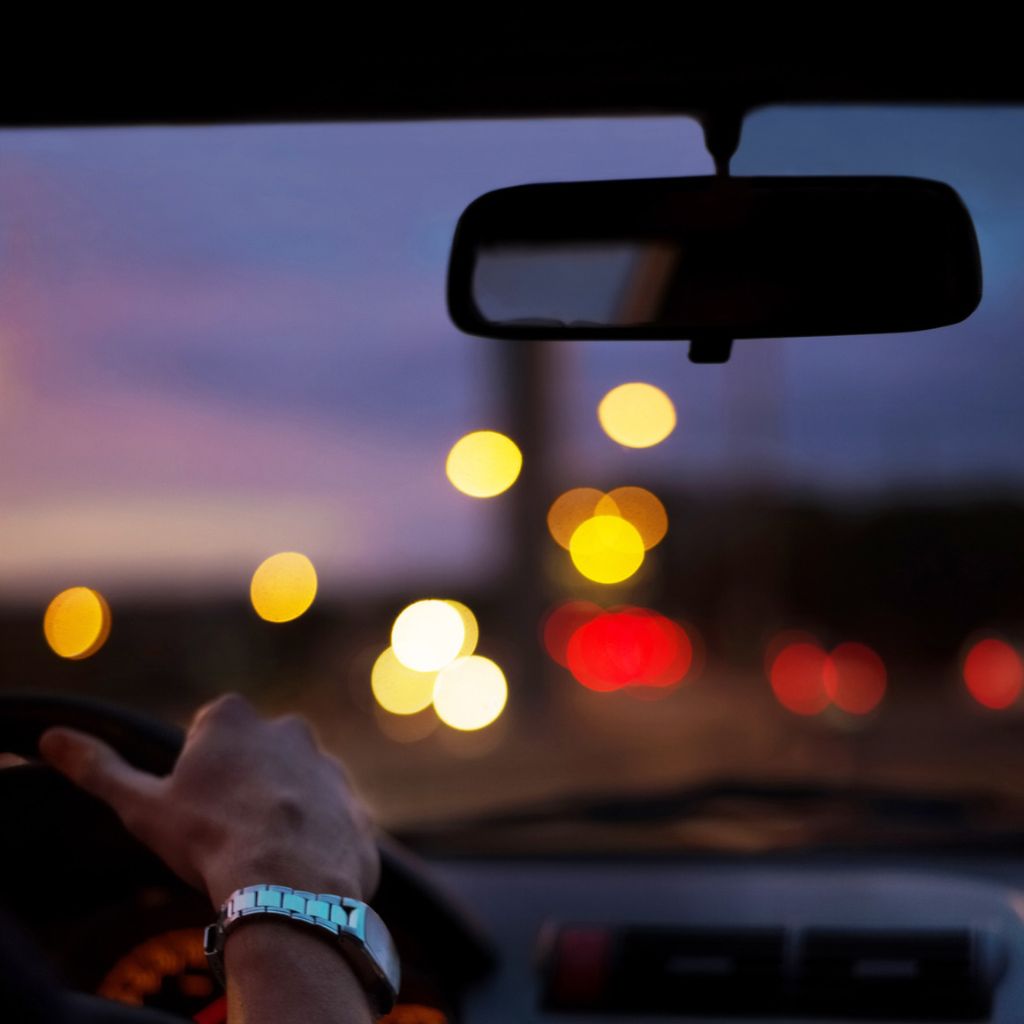
People with myopia or astigmatism and having inadequate optical correction can have reduced night vision, particularly when driving or reading in low-light conditions.
Reduced night vision is very often associated with an uncorrected or inadequately corrected refractive error. People with myopia frequently notice that their distance vision deteriorates as light levels decrease.
This phenomenon, sometimes exacerbated by pupil dilation in the dark, reduces the sharpness of visual details and causes blurred vision.
Similarly, early presbyopia affects near vision and can increase visual discomfort after a long day.
Wearing unsuitable glasses or having an outdated prescription can further contribute to eye strain.
An individually tailored optical correction, prescribed following a comprehensive vision assessment, is generally sufficient to restore good visual acuity and improve safety when driving at night.
Cataracts and aging: why do they cause reduced night vision?
Progressive clouding of the eye’s natural lens is a very common cause of reduced night vision, often accompanied by troublesome glare from car headlights.
Natural aging of the eye is a major contributor to declining night vision, particularly in older adults.
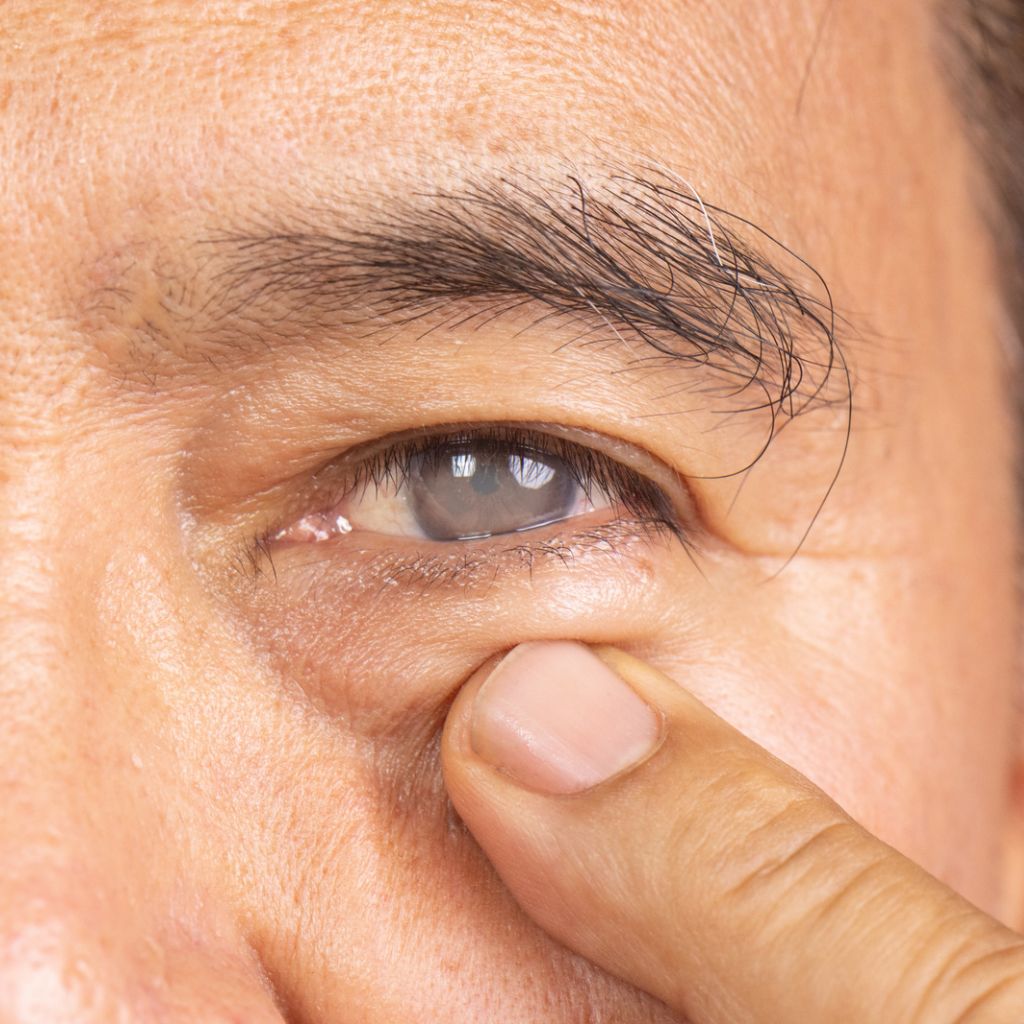
The development of a cataract, characterized by clouding of the natural lens inside the eye, interferes with the way light passes through the eye.
Patients with cataracts often report dazzling halos around car headlights or streetlights.
This abnormal scattering of light causes blurred distance vision and makes navigating in the dark more difficult. An ophthalmological assessment is essential to establish a diagnosis and determine whether appropriate cataract surgery is required.
Retinal diseases: when central and peripheral vision are affected
By affecting the peripheral visual field or the retina’s photoreceptor cells, certain chronic eye diseases can cause reduced night vision, sometimes resulting in irreversible visual impairment.
Retinal degeneration and retinopathy
Retinal degeneration or damage to the retina, as seen in conditions such asdiabetic retinopathy orretinitis pigmentosa, can damage or destroy the photoreceptor cells responsible for scotopic vision (vision in very low-light conditions).
Severe retinal damage may lead to irreversible vision loss and, in some cases, progress to significant visual impairment, low vision or blindness if not diagnosed and managed in time.
In all these situations, visual disturbances may affect one eye or both eyes, highlighting the importance of never dismissing symptoms affecting only one eye.
Glaucoma
This condition, often associated with elevated intraocular pressure, progressively damages the optic nerve. It initially affects peripheral vision, narrowing the visual field without immediately impairing central vision. In low-light conditions, reduced peripheral vision can make it especially difficult to move around safely.
Ophthalmological examination: early detection to protect your eye health
If you experience reduced night vision, it is essential to consult an ophthalmologist promptly. Your eye specialist will then perform a comprehensive ophthalmological examination.
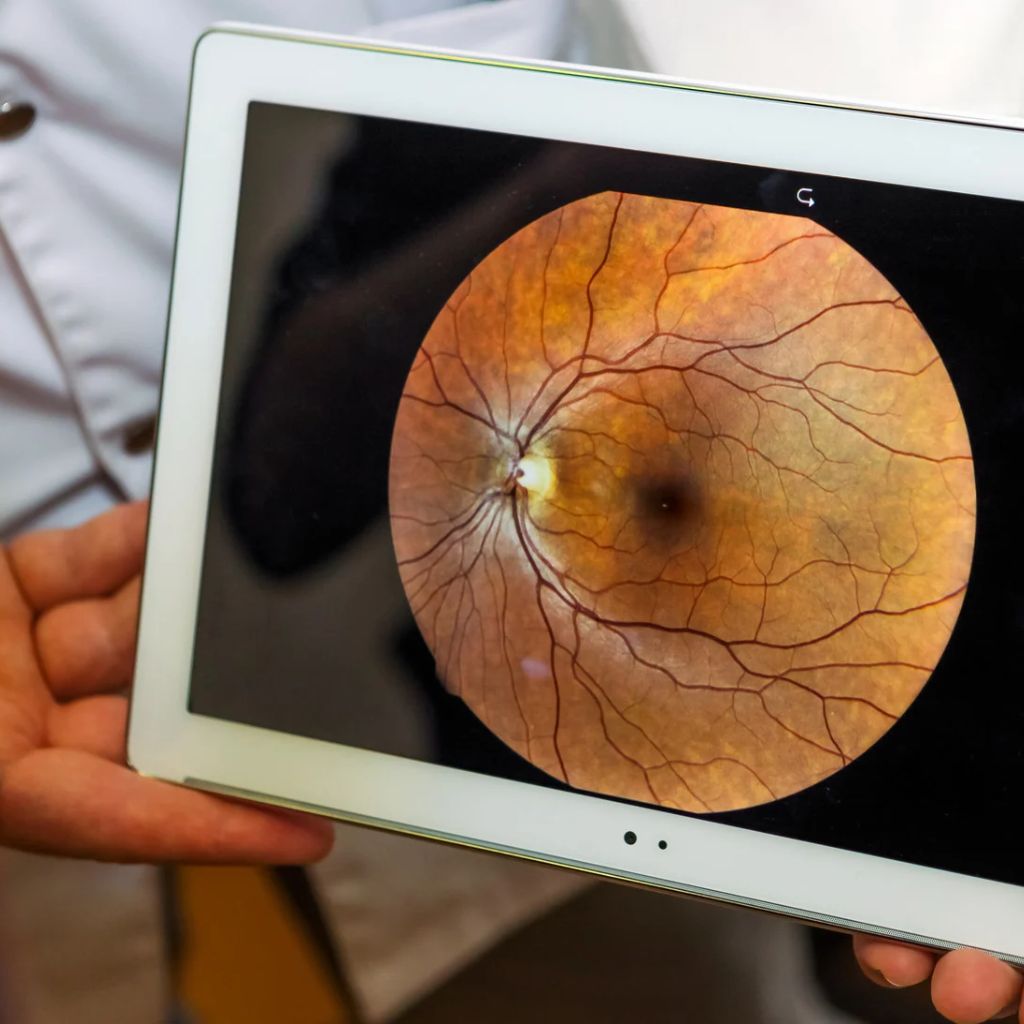
A fundus examination allows the ophthalmologist to examine the retina, blood vessels and optic nerve to detect any structural abnormalities. Additional tests, including visual field testing, may be performed to complete the assessment.
Depending on the underlying cause, treatment may range from a simple change in prescription lenses to medical treatment, laser procedures ororthoptic rehabilitation sessions to improve visual comfort.
A comprehensive ophthalmological assessment helps identify the precise cause of reduced night vision and determine the most appropriate treatment.
In conclusion
Reduced night vision is more than a minor inconvenience caused by fatigue: it can directly affect your safety, particularly when driving.
Consulting an ophthalmologist as soon as symptoms appear allows for an accurate diagnosis through examinations such as fundoscopy and visual field testing.
Early detection of an eye disorder or retinal disease remains one of the most effective ways to preserve your vision and regain visual comfort in low-light conditions.
Nous utilisons des cookies pour vous garantir la meilleure expérience sur notre site web. Si vous continuez à utiliser ce site, nous supposerons que vous en êtes satisfait.