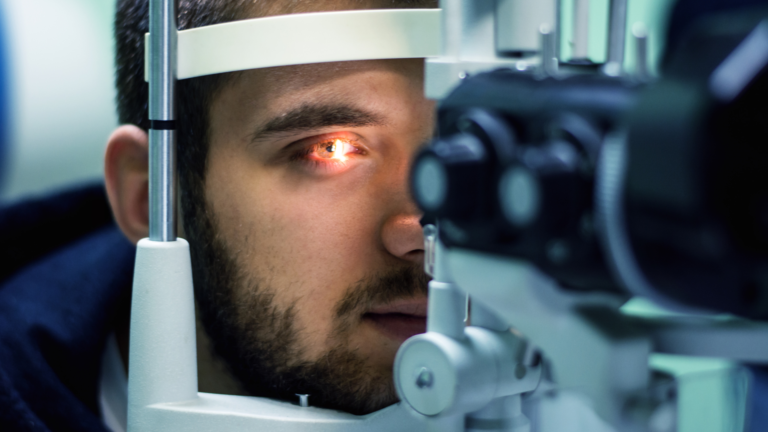
You want to know how to adapt your lifestyle with glaucoma? Discover the healthy habits you can adopt to protect your vision every day.
Adapting your lifestyle with glaucoma: attending regular medical check-ups
First of all, early glaucoma screening is essential. People with a family history of glaucoma, a medical history of ocular hypertension or risk factors such as severe myopia should consult an ophthalmologist regularly.
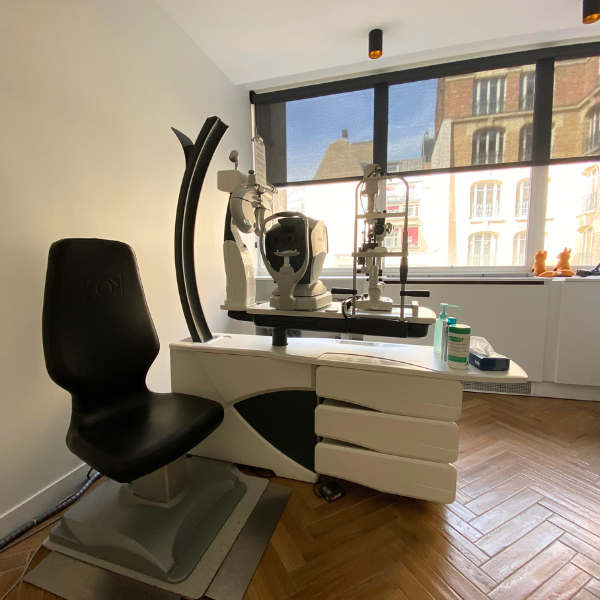
The ophthalmologist will measure eye pressure, perform a visual field test and assess the optic nerve head.
Early diagnosis makes it possible to begin medical treatment, such as the use of eye drops containing beta blockers or prostaglandins, to lower intraocular pressure (IOP).
Alongside regular medical follow-up, adapting your lifestyle with glaucoma is an important complementary step in preserving your eye health and limiting the factors that may influence the progression of the disease.
What is glaucoma?
Glaucoma is an eye disease and one of the leading causes of blindness worldwide.
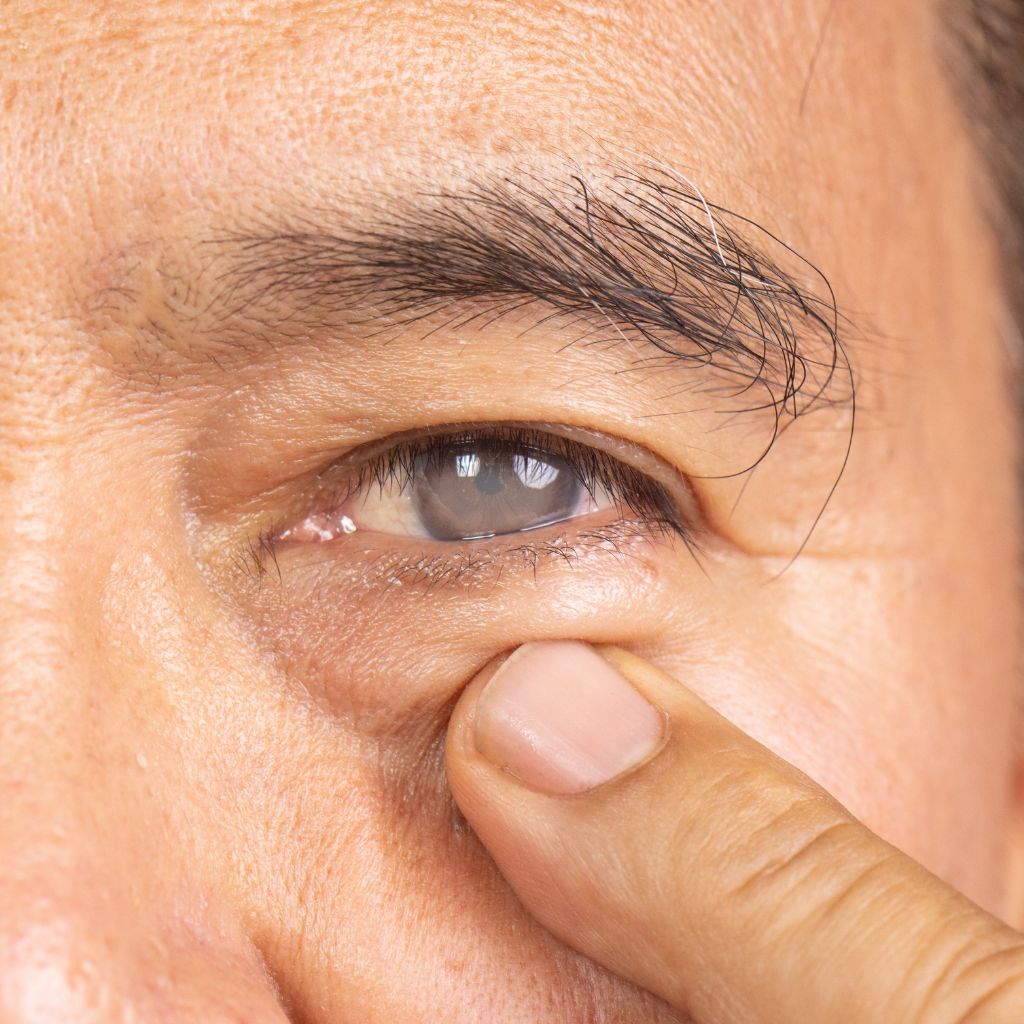
It is characterised by damage to the retinal nerve fibres and optic nerve, often associated with elevated intraocular pressure (IOP). This damage can lead to a progressive loss of peripheral and central vision.
Although treatment remains essential, adapting your lifestyle with glaucoma can also provide additional support in caring for your eyes every day.
Adapting your lifestyle with glaucoma alongside personalised medical treatment
Depending on the severity of the condition, medical treatment may include eye drops that reduce the production of aqueous humour or improve its drainage, as well as medication used to manage ocular hypertension.
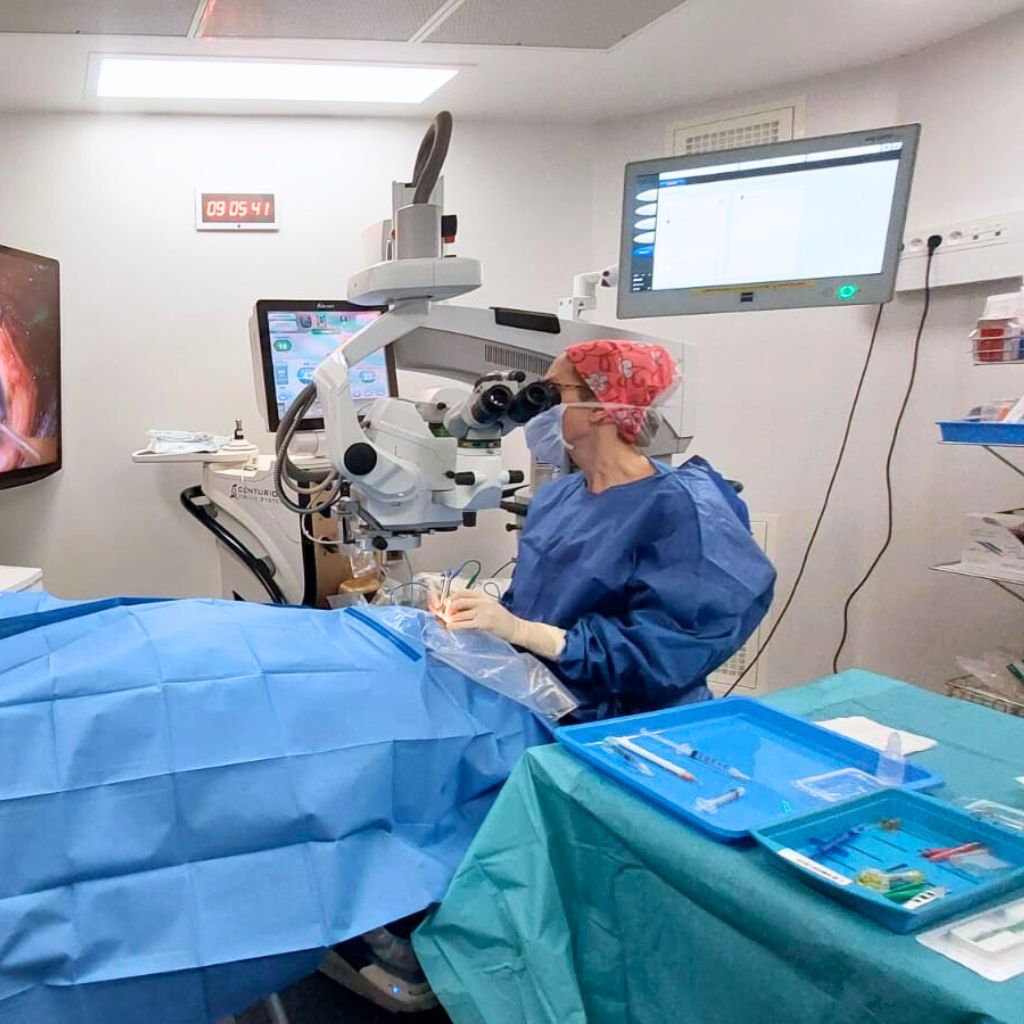
When medication is not sufficiently effective, laser treatment such as selective laser trabeculoplasty (SLT), may be required to improve the drainage of aqueous humour and reduce pressure inside the eye.
Although glaucoma surgery remains necessary in some cases, adapting your lifestyle with glaucoma can also provide additional support in caring for your eyes every day.
Which foods should you choose to adapt your lifestyle with glaucoma?
A diet rich in antioxidants and omega-3 fatty acids may help protect the retina and support visual health.
Avoid foods high in cholesterol and saturated fats, as they may affect blood circulation and the health of blood vessels, including those supplying the eyes.
Good hydration is important. However, it is advisable to avoid drinking excessive amounts of fluid all at once, as this may cause a temporary increase in eye pressure.
Can physical activity help you adapt your lifestyle with glaucoma?
Moderate exercise may help reduce eye pressure and improve circulation.
However, certain activities, particularly those involving prolonged forward bending or intense physical exertion, may not be recommended in cases of angle-closure glaucoma.
Stress may contribute to temporary spikes in blood pressure and eye pressure. Consider trying different relaxation techniques, such as yoga or meditation, which may help you manage stress and maintain more stable eye pressure.
Stress management is often underestimated when considering how to adapt your lifestyle with glaucoma and protect your long-term eye health.
Recognising symptoms when adapting your lifestyle with glaucoma
Remain alert to warning signs such as halos around lights, severe eye pain or any sudden change in vision.
Report these symptoms to your ophthalmologist, as they may indicate that the condition is worsening or that acute glaucoma has developed, which requires immediate medical attention.
Although glaucoma often progresses without noticeable symptoms, signs such as headaches, visual discomfort or a feeling of pressure in the eye should prompt you to seek medical advice quickly.
Regular follow-up appointments allow your ophthalmologist to assess the effectiveness of your treatment and ensure that the measures in place continue to lower your eye pressure satisfactorily.
Which factors can influence the progression of chronic glaucoma?
Chronic glaucoma is a disease that often progresses without visible symptoms for many years.
Regular ophthalmological follow-up is therefore essential to detect possible optic nerve damage before irreversible vision loss occurs.
Measuring intraocular pressure is one of the standard examinations, as excessively high eye pressure is one of the main risk factors for disease progression.
In people with glaucoma, general health factors such as high blood pressure, as well as certain abnormalities affecting the crystalline lens, may also require particular monitoring.
Alongside medical follow-up, adapting your lifestyle with glaucoma therefore provides a preventive approach that can help preserve your long-term eye health.
Conclusion
Managing glaucoma requires a comprehensive approach involving regular ophthalmological follow-up, appropriate medical treatment and lifestyle adjustments.
By following this advice and remaining alert to changes in your vision, you can help preserve your quality of life and reduce the risk of complications associated with this chronic disease.
Nous utilisons des cookies pour vous garantir la meilleure expérience sur notre site web. Si vous continuez à utiliser ce site, nous supposerons que vous en êtes satisfait.