How can you reduce the impact of screens on children’s eyes?
How can you reduce the impact of screens on children’s eyes?
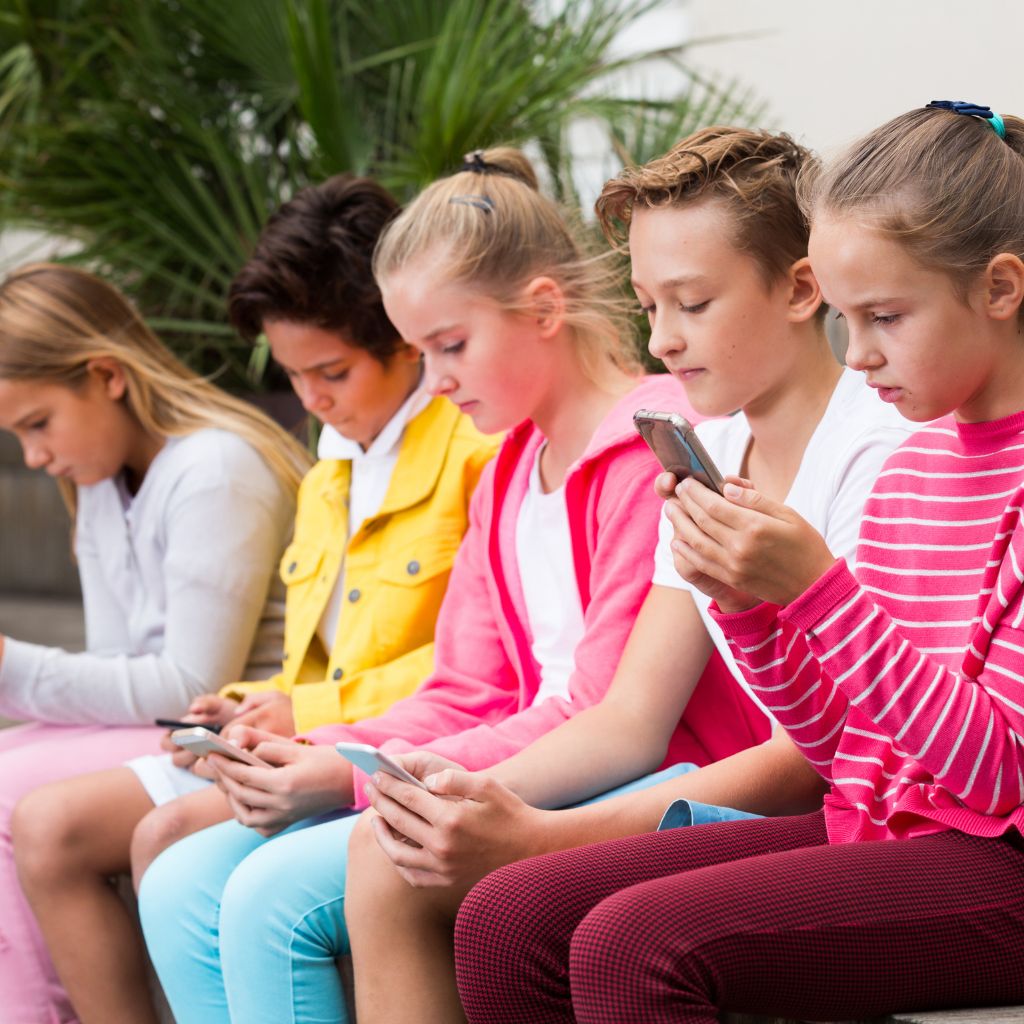
Computers, tablets, smartphones and television: screens play an important role in children’s daily lives.
Although they are not solely responsible for the development of vision problems on children’s eyes, excessive screen exposure can cause significant eye strain and contribute to certain symptoms.
To reduce the impact of screens on children’s eyes, a few simple habits can make all the difference !
Why reduce the impact of screens on children’s eyes?
When a child stares at a screen for several hours, they tend to blink less frequently.
This can lead to dry eyes, dry eye syndrome, feelings of discomfort and eye pain.
The eye muscles responsible for focusing are also working continuously, which can tire the eyes and cause blurred vision.
Contrary to some common misconceptions, screens do not directly damage the eyes.
However, they can reveal, or even worsen, an existing vision problem such as myopia, hyperopia or astigmatism, especially when screen time becomes excessive.
This is why it is essential to reduce the impact of screens on children’s eyes from an early age.
Reducing the impact of screens on children’s eyes: good habits to remember
To reduce the impact of screens on children’s eyes, it is recommended to take regular breaks, encourage outdoor activities, limit screen time and consult an ophthalmologist if symptoms occur.
These simple measures help protect young eyes and preserve visual health over the long term.
Taking breaks to reduce the impact of screens on your children’s eyes
The best habit is to apply the 20-20-20 rule: every 20 minutes, your child should look at something about 6 metres away for 20 seconds.
This habit helps relax the focusing effort and reduce visual fatigue.
You should also remind your child to blink regularly, or even to perform exaggerated blinks to help keep the eyes hydrated.
This simple gesture helps maintain a healthy tear film and reduces the risk of dry eyes.
If discomfort persists, an ophthalmologist may recommend lubricating eye drops or suitable artificial tears.
These measures help reduce the impact of screens on children’s eyes in everyday life.
Adopting good screen habits
To preserve good visual acuity, the screen should be positioned about an arm’s length away and slightly below eye level.
It is also preferable to adjust the screen brightness to match the lighting in the room in order to avoid glare.
Limiting the number of hours spent in front of screens is just as important.
Alternating periods of digital work or leisure with screen-free moments allows the eyes to rest and helps prevent eye fatigue.
Avoiding screens during the hour before bedtime also helps reduce the risk of sleep disturbances.
Together, these habits help reduce the impact of screens on children’s eyes while improving their visual comfort.
Outdoor activities are beneficial for children’s eye health
Studies show that regular outdoor physical activity is associated with a slower progression of myopia in children.
Playing outside also allows children to vary their viewing distances and use their eyes differently.
Some methods, such as eye yoga, are sometimes presented as a way to improve the field of vision.
However, they do not correct myopia, hyperopia or astigmatism.
They may nevertheless provide a moment of relaxation, without replacing the recommendations of a healthcare professional.
When should you consult an ophthalmologist?
Regular ophthalmology check-ups make it possible to detect vision problems early and verify your child’s visual acuity.
If your child complains of blurred vision, sensitivity to light, headaches or eye pain, or if they systematically bring their face closer to the screen, a consultation is recommended.
Nous utilisons des cookies pour vous garantir la meilleure expérience sur notre site web. Si vous continuez à utiliser ce site, nous supposerons que vous en êtes satisfait.