Ophthalmic emergency: which symptoms should raise concern?
Ophthalmic emergency: which symptoms should raise concern?
When it comes to eye health, several symptoms should raise concern and require urgent consultation with an ophthalmologist. Certain signs may indicate serious conditions affecting the visual system.
Knowing how to recognise an ophthalmic emergency is therefore essential. In this COP9 article, discover the main symptoms to watch out for and what steps to take to protect your vision.
How to recognise an ophthalmic emergency?
The sudden appearance of a veil or shadow over your vision, double vision or sudden vision loss constitutes an ophthalmic emergency.
A red, painful eye accompanied by increased intraocular pressure may indicate angle-closure glaucoma.
Similarly, a retinal haemorrhage or an eye injury requires prompt medical attention to prevent irreversible damage.
Detecting chronic eye conditions during an ophthalmic examination
A comprehensive eye examination can help detect asymptomatic eye conditions at an early stage.
This is particularly true of open-angle glaucoma, which causes progressive optic nerve atrophy, as well as conditions affecting the macula and the lens.
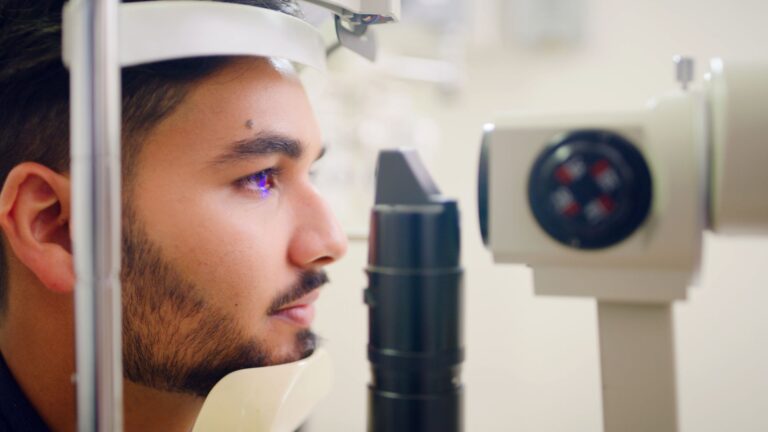
During a dilated fundus examination, the ophthalmologist assesses the condition of the blood vessels in the retina.
Vascular abnormalities may reveal complications associated with high blood pressure or diabetes.
The importance of regular ophthalmic follow-up
People with chronic conditions should maintain regular ophthalmic follow-up.
Early detection of eye damage allows for an accurate diagnosis and appropriate treatment planning, ranging from eye drops to surgery.
Regular monitoring also helps identify any sudden deterioration that could develop into an ophthalmic emergency.
For progressive eye conditions such as retinitis or keratoconus (which causes the cornea to become distorted), regular ophthalmic examinations are essential to reducing the risk of vision loss.
Dr Stéphanie Zwillinger - ophthalmic surgeon
Vision loss and eye pain: recognising an ophthalmic emergency
The sudden onset of double vision (diplopia) or a rapid decline in visual acuity also requires immediate assessment.
Severe headaches accompanied by a red, painful eye may indicate a sudden increase in intraocular pressure (acute glaucoma).
Furthermore, severe eye pain or sudden blurred vision may suggest uveitis or severe keratitis.
The onset of such symptoms, which may indicate an ophthalmic emergency, requires immediate medical attention.
Which conditions require emergency ophthalmic care?
Patients with chronic conditions such as diabetes should monitor their vision closely, as reduced vision may indicate serious complications such as diabetic retinopathy or diabetic macular oedema.
Similarly, any changes in the visual field (peripheral vision) or colour perception require a fundus examination and, in some cases, retinal angiography.
Early detection and prompt treatment remain the best preventive measures for preserving vision.
Eye injuries and visual disturbances: managing an ophthalmic emergency
The same level of vigilance is required in the event of an eye injury and constitutes an ophthalmic emergency.
Direct trauma can damage the cornea, retina or optic nerve.
In such cases, emergency ophthalmic care is essential to assess the damage and prevent irreversible complications.
Foreign bodies, penetrating eye injuries and orbital fractures also require urgent medical attention.
Acute glaucoma and retinal detachment: responding to an ophthalmic emergency
First and foremost, sudden vision loss is an alarming symptom and also constitutes an ophthalmic emergency.
Whether caused by retinal vascular occlusion, retinal detachment or acute glaucoma, these emergencies can lead to irreversible damage if not treated immediately.
Furthermore, the sudden appearance of flashes of light (photopsia) or a sudden increase in floaters (often described as “flies” or a “shower of black spots”) may precede retinal detachment, a condition that carries a significant risk of blindness if left untreated.
In conclusion
When faced with any sudden change in vision or an eye injury, recognising an ophthalmic emergency is essential to taking appropriate action. Prompt diagnosis and suitable treatment by an ophthalmologist are crucial for protecting your long-term vision.
Nous utilisons des cookies pour vous garantir la meilleure expérience sur notre site web. Si vous continuez à utiliser ce site, nous supposerons que vous en êtes satisfait.