How to choose the right intraocular lens (IOL) for cataract surgery
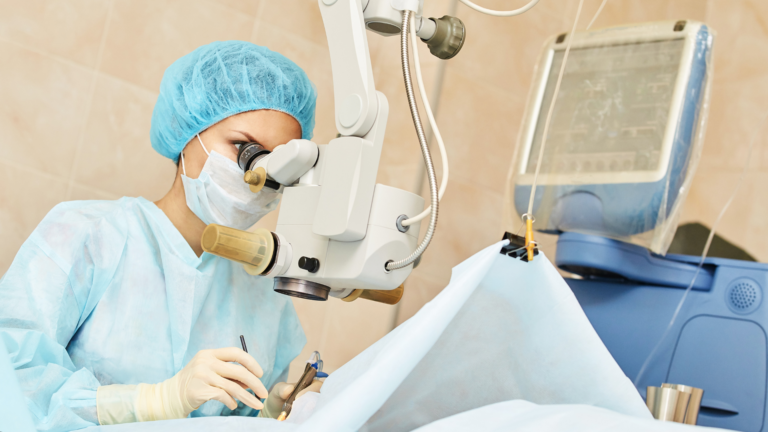
Cataract surgery is a common procedure designed to correct vision problems caused by clouding of the eye’s natural lens.
During the procedure, your ophthalmic surgeon replaces the clouded natural lens with an intraocular lens (IOL), helping to restore clear vision.
Choosing the right IOL therefore depends on several factors, which we will explore in this COP9 article.
What are the different types of intraocular lenses?
The type selected (monofocal, multifocal, or toric), depends on your individual needs, making the process of choosing an intraocular lens entirely personalized.
1. Monofocal IOLs
Monofocal IOLs provide good visual acuity for distance vision.
However, they may not effectively correct near vision, meaning that glasses may still be required after surgery, particularly in older patients with presbyopia.

2. Multifocal IOLs
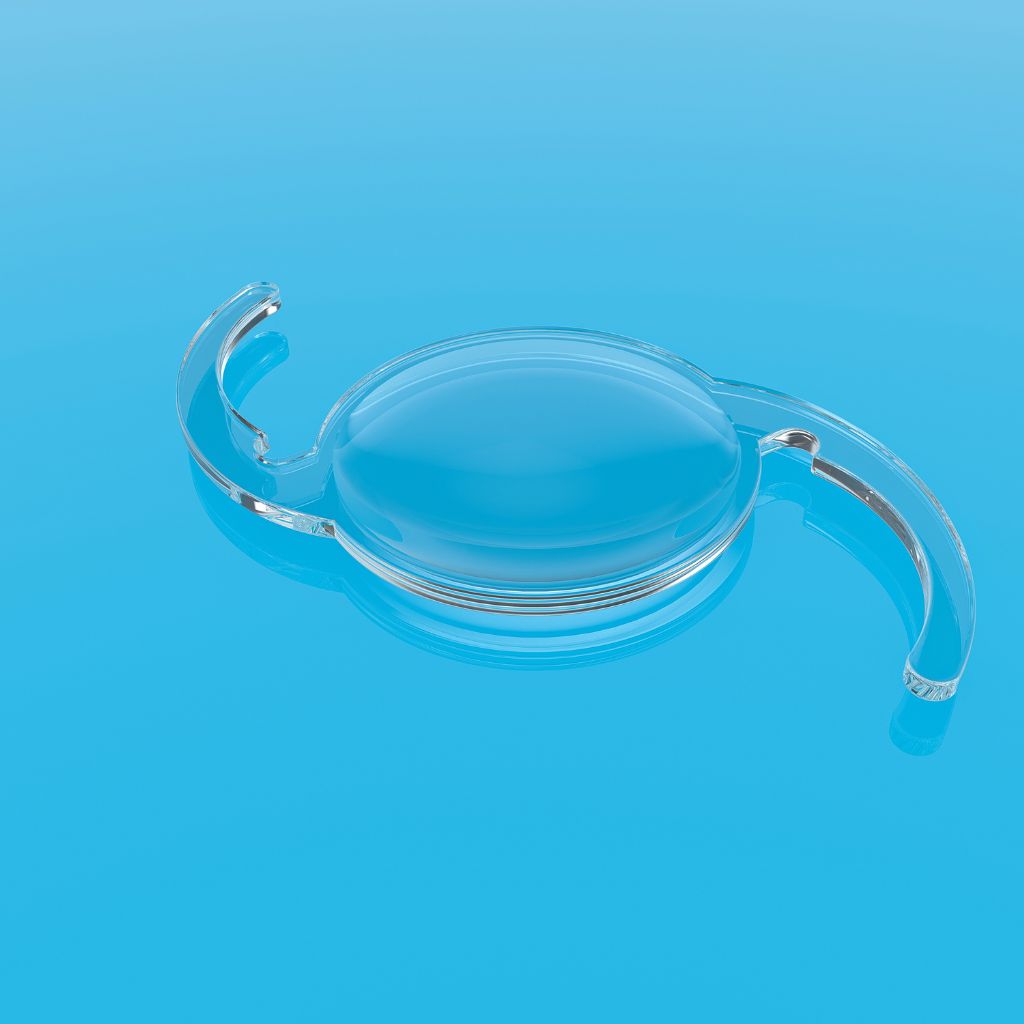
These lenses provide vision at different distances : near, intermediate, and far, and can reduce dependence on glasses.
It is essential to discuss the benefits and drawbacks of these lenses with your ophthalmologist, particularly the possibility of halos around lights.
It is worth noting that multifocal IOLs are now mainly available as trifocal lenses, providing smooth vision across three distances: far, intermediate, and near.
3. Toric IOLs
Toric IOLs are specifically designed to correct astigmatism.
For patients with astigmatism, a toric IOL can significantly improve visual acuity and reduce the need for corrective lenses after surgery.
4. EDOF IOLs (Extended Depth of Focus)
EDOF IOLs (Extended Depth of Focus) represent a major advance in intraocular lens technology, providing a continuous, smooth range of vision from far to intermediate distances, such as for computer screens or a car dashboard.
Compared with traditional multifocal IOLs, they produce significantly fewer night-time visual disturbances, such as halos or glare.
They are therefore an excellent alternative for patients who want to reduce their dependence on glasses for most everyday activities while maintaining high-quality night vision. However, reading glasses may still occasionally be required for very fine print or close-up tasks.
5. Light adjustable lenses (LALs)
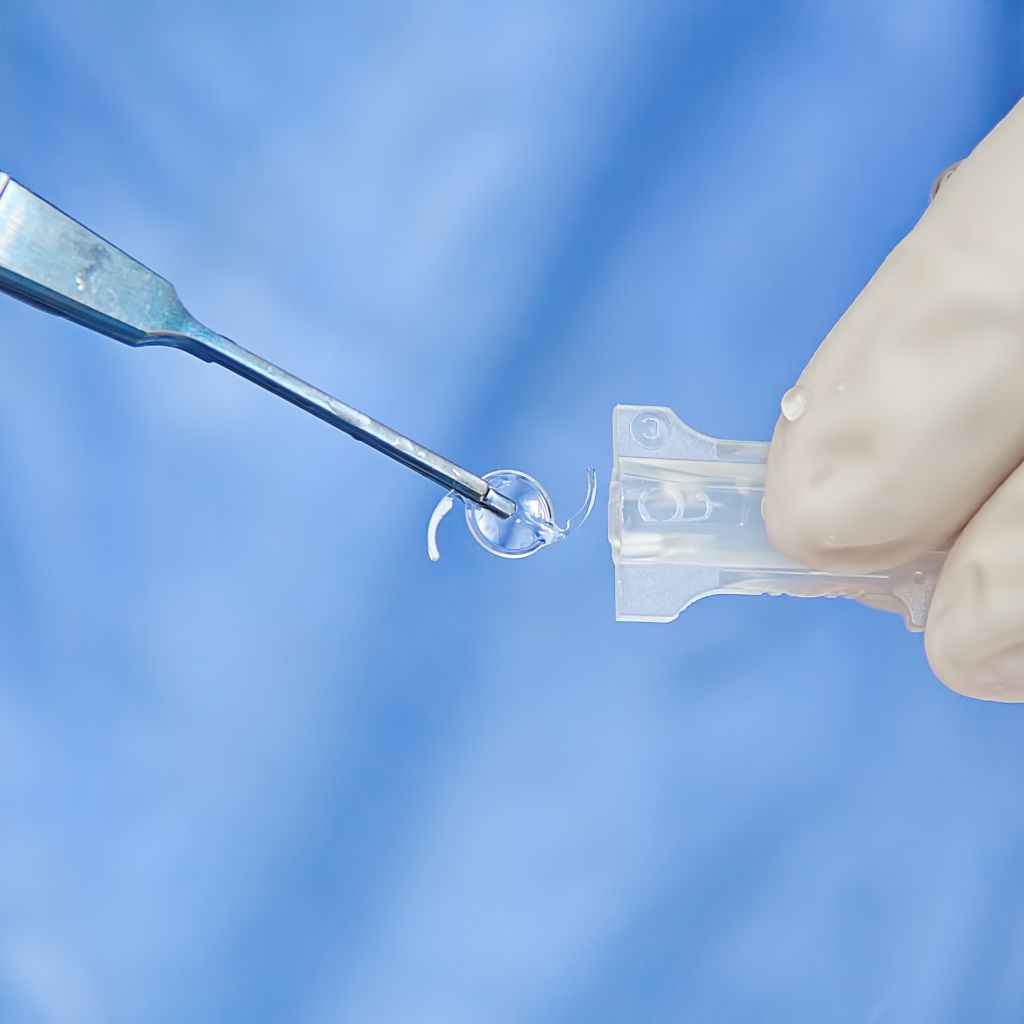
Light adjustable lenses (LALs) offer a unique level of personalized precision by allowing the optical correction to be adjusted after cataract surgery.
Made from a photosensitive material, the power of the IOL can be modified directly inside the eye through non-invasive UV light treatment sessions performed at the ophthalmologist’s office once healing has stabilized.
This technology allows patients to experience their vision in real-life conditions before the final correction is permanently set.
It is an ideal solution for fine-tuning visual correction, addressing residual astigmatism, and maximizing independence from glasses after cataract surgery.
6. Monovision with monofocal IOLs
Monovision (or “modified monovision”) involves implanting monofocal lenses, with the dominant eye targeted for distance vision and the non-dominant eye targeted for near or intermediate vision.
The brain naturally combines the two images to provide a broader range of functional vision without the need for multifocal IOLs.
One advantage of this approach is that it avoids night-time halos and is also a more affordable option.
However, a thorough preoperative assessment, or a prior trial with contact lenses, is essential to ensure that the patient can comfortably tolerate the difference in correction between the two eyes.
What factors should you consider when choosing an IOL for cataract surgery?
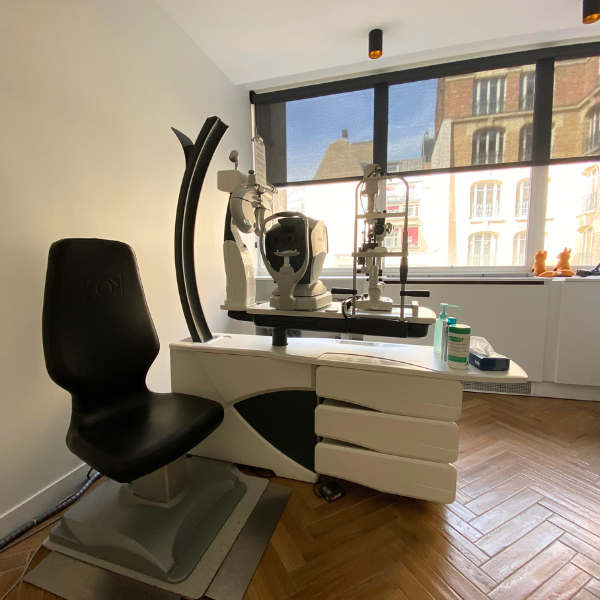
Choosing the ideal intraocular lens requires a comprehensive preoperative assessment to accurately measure the geometry of your eye.
Preoperative assessment
Before surgery, your ophthalmologist will help you choose the IOL best suited to your lifestyle and visual needs.
Your ophthalmic surgeon will perform a series of refraction tests to determine your visual acuity and assess refractive errors such as myopia, hyperopia, and astigmatism.
These measurements help determine the appropriate dioptric power of the IOL.
Today, this stage relies on high-precision optical biometry, OCT imaging, and artificial intelligence-based calculations, including formulas such as Kane and Hill-RBF, enabling extremely precise refractive targeting.
Lifestyle
If you spend a lot of time reading or working on screens, these activities will influence your choice of IOL.
For example, someone who reads frequently may prefer a multifocal IOL, whereas a patient whose priority is primarily distance vision may choose a monofocal IOL.
It is also essential to assess your tolerance for night-time visual disturbances. If you frequently drive at night, certain multifocal IOLs may be less suitable, with monofocal or EDOF lenses potentially being preferable.
Age and eye health
The patient’s age and the presence of associated eye conditions, such as glaucoma or keratoconus, may influence the choice of IOL.
A history of secondary cataract or previous procedures such as refractive surgery (LASIK or PRK, which require specific IOL calculations and lens selection because of the changes made to the cornea) must also be taken into account.
Visual correction needs
If the patient has already undergone surgery in both eyes (bilateral cataract surgery), the choice of IOLs should be consistent in order to achieve optimal visual balance.
Specific intraocular lenses may also be recommended to correct myopia, hyperopia, or astigmatism.
Risks and complications
Every surgical procedure involves certain risks.
A thorough discussion with your ophthalmologist about potential complications, such as retinal detachment, posterior capsule opacification, or secondary cataract, is essential in order to make an informed decision.
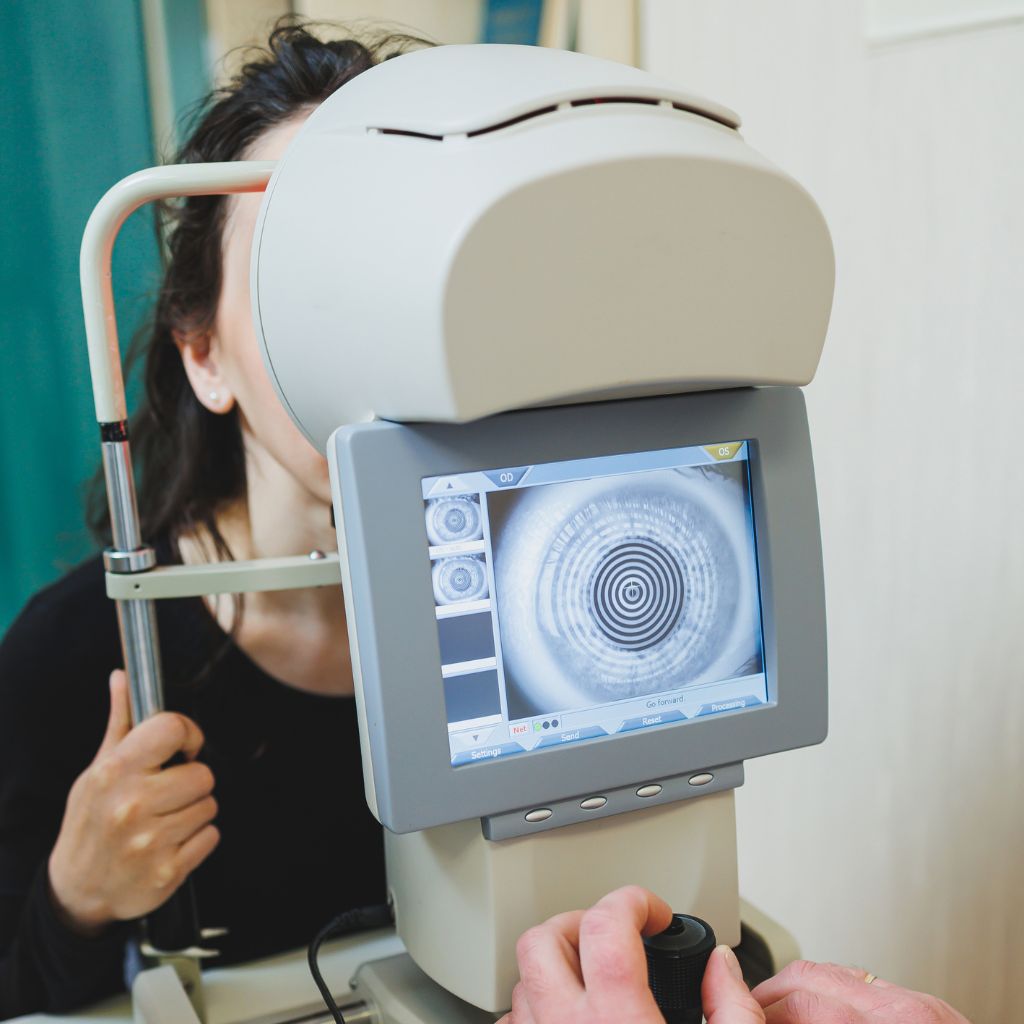
Discussing your IOL options with your ophthalmologist
A discussion with your ophthalmologist is an essential part of choosing the right intraocular lens for cataract surgery.
Your ophthalmologist can explain the different IOL options, implantation techniques, and the postoperative care required, including the use of eye drops and other treatments that may support the healing process.
Coverage and reimbursement by the French national health insurance system (Assurance Maladie) and your supplementary health insurance provider may vary depending on the type of IOL selected. This is an important factor to consider when choosing your lens.
In conclusion
Choosing the right intraocular lens (IOL) for cataract surgery is a key step in achieving optimal long-term visual comfort.
Every patient has unique visual needs, and choosing the appropriate IOL can effectively correct refractive errors and significantly improve quality of life.
Careful postoperative follow-up and clear communication with your ophthalmologist will help ensure that you can enjoy the benefits of your improved vision with confidence.