
Should you have cataract surgery during the summer?
Cataract surgery is a common surgical procedure used to treat clouding of the eye’s natural lens, which is generally caused by ageing.
The decision to undergo this procedure during the summer months should take several factors into account, as the season may present specific advantages and disadvantages.
Continue reading to find out whether cataract surgery can be scheduled during the summer.
Preoperative assessment
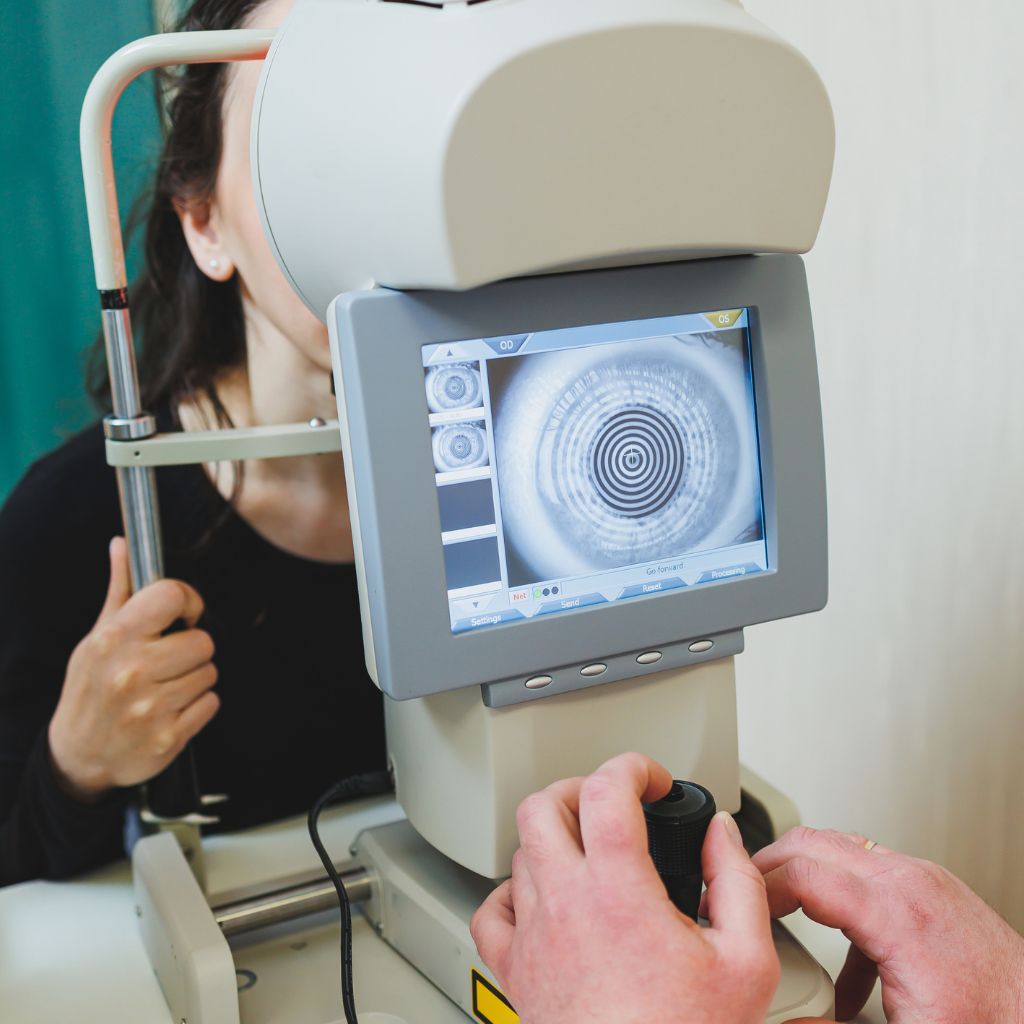
Before scheduling cataract surgery during the summer, a comprehensive eye examination is carried out to ensure that all the necessary conditions are met for the procedure to be performed as safely and effectively as possible.
Your ophthalmologist will assess your visual acuity, perform refraction tests and examine the condition of your cornea and retina.
If you have myopia, hyperopia, astigmatism or another visual disorder, it is important to discuss this with your surgeon.
Patients with eye conditions such as age-related macular degeneration (AMD) or diabetic retinopathy also require particular attention.
During the preoperative assessment, which is carried out at an ophthalmology clinic, the practitioner will also examine your visual field, take the measurements required to select the appropriate implant and check that none of your current medical treatments are incompatible with the procedure.
This stage is essential to achieve the best possible outcome.
Benefits of having cataract surgery during the summer
Cataracts are now treated using a well-established eye surgery procedure performed by an experienced ophthalmic surgeon.
This eye procedure involves removing the clouded natural lens and replacing it with an intraocular lens, also known as an artificial lens implant.
The aim is to restore the quality of vision and reduce the progressive loss of sight caused by the cataract.
For many patients, undergoing cataract surgery during the summer means they can quickly enjoy clearer vision during outdoor activities.
1. Outpatient surgery and rapid recovery
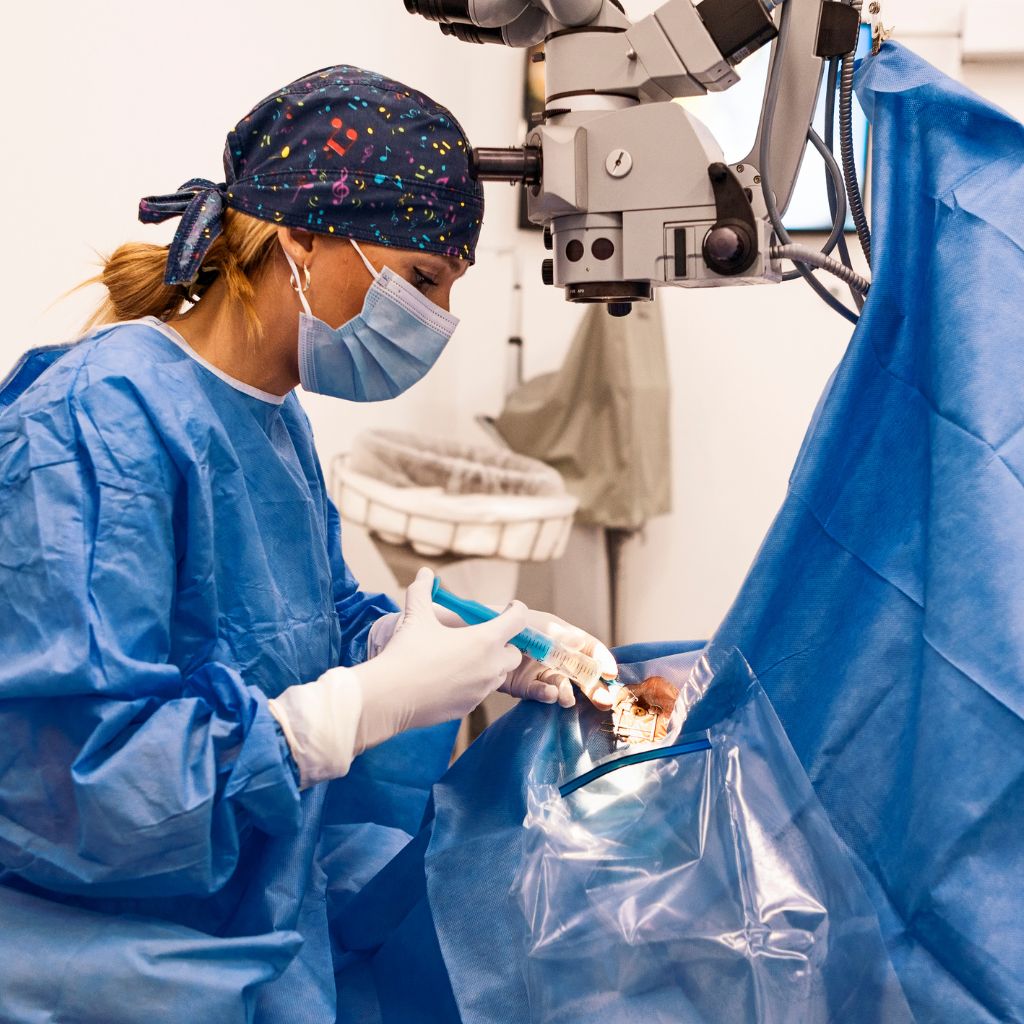
Cataract surgery is generally performed as an outpatient procedure, meaning that you can return home on the same day.
Modern techniques, including femtosecond laser-assisted surgery, enable the procedure to be performed with minimal discomfort while reducing the risk of complications.
The procedure is usually carried out under local anaesthesia, sometimes using anaesthetic eye drops.
This anaesthesia allows the patient to remain awake without experiencing pain. A small incision is made to remove the natural lens and insert the intraocular lens implant.
2. Improved visual clarity
Summer is often associated with abundant natural light, which may make it easier to assess improvements in your postoperative vision relatively quickly.
Good visibility can also help patients appreciate the effectiveness of the intraocular lens implant, which replaces the eye’s natural lens.
In most cases, the surgeon operates on one eye at a time.
When both eyes are affected by cataracts, the second procedure is usually scheduled a few days or weeks later, depending on how well the first eye is recovering.
3. Postoperative follow-up
Follow-up appointments are essential for monitoring visual recovery.
Specialists may adjust your treatment and prescribe eye drops to minimise discomfort and prevent complications such as posterior capsule opacification.
During the postoperative period, it is essential to follow the prescribed treatment carefully. Regular use of antibiotic and anti-inflammatory eye drops promotes proper healing and helps reduce the risk of infection.
Precautions to take
1. Weather conditions
Summer brings higher temperatures and increased exposure to ultraviolet rays. Following surgery, it is important to protect your eyes from sunlight, as both near and distance vision may be temporarily affected.
Wearing suitable sunglasses is therefore recommended.
It is also advisable to avoid swimming during the first few days after cataract surgery in the summer to reduce the risk of infection.
Although modern ophthalmic techniques allow for a rapid recovery, patients should avoid swimming, rubbing their eyes and spending time in dusty environments during the first few days.

2. Hydration and general health
Hot weather can lead to dehydration.
It is important to remain properly hydrated to support healthy blood circulation to the optic nerve and contribute to visual recovery.
3. Risk of allergies
Pollen and other allergens are often more prevalent during the summer and may cause eye irritation.
Speak to your ophthalmologist about the use of topical treatments, such as antihistamine eye drops, to help control your symptoms.
The best time for the procedure
In general, there is no medical reason to avoid cataract surgery during the summer, provided that you are properly prepared.
The best time to undergo cataract surgery depends primarily on the progression of the condition and the advice of your ophthalmologist.
Patients who experience a significant decline in vision or see halos around lights should consider undergoing surgery without unnecessary delay, regardless of the season.
For other patients, it may feel more comfortable to schedule the procedure after the hottest months, when staying indoors and avoiding prolonged exposure to the sun may be easier.
Ultimately, the best time for surgery is the time recommended by your ophthalmologist.
Treatment for a progressive cataract should not be delayed solely because of the season, as the condition may gradually impair visual comfort and lead to further loss of vision.
Conclusion
Cataract surgery can be performed safely during the summer, provided that patients receive appropriate care and follow the recommendations of their ophthalmic surgeon.
The procedure can significantly improve visual acuity and quality of life.
Learning more about the available options, including artificial lens implants and different surgical techniques, can also help you make an informed decision about your eye health.
Thanks to advances in ophthalmology, cataract treatment is now a safe, quick and effective procedure when performed by our ophthalmic surgeon, Dr Stéphanie Zwillinger.
Personalised care before and after surgery helps optimise visual outcomes and enables patients to enjoy clearer vision in their everyday lives!