What determines the choice of intraocular lens in cataract surgery?
In ophthalmology, cataract refers to a clouding of the crystalline lens, the eye’s natural lens.
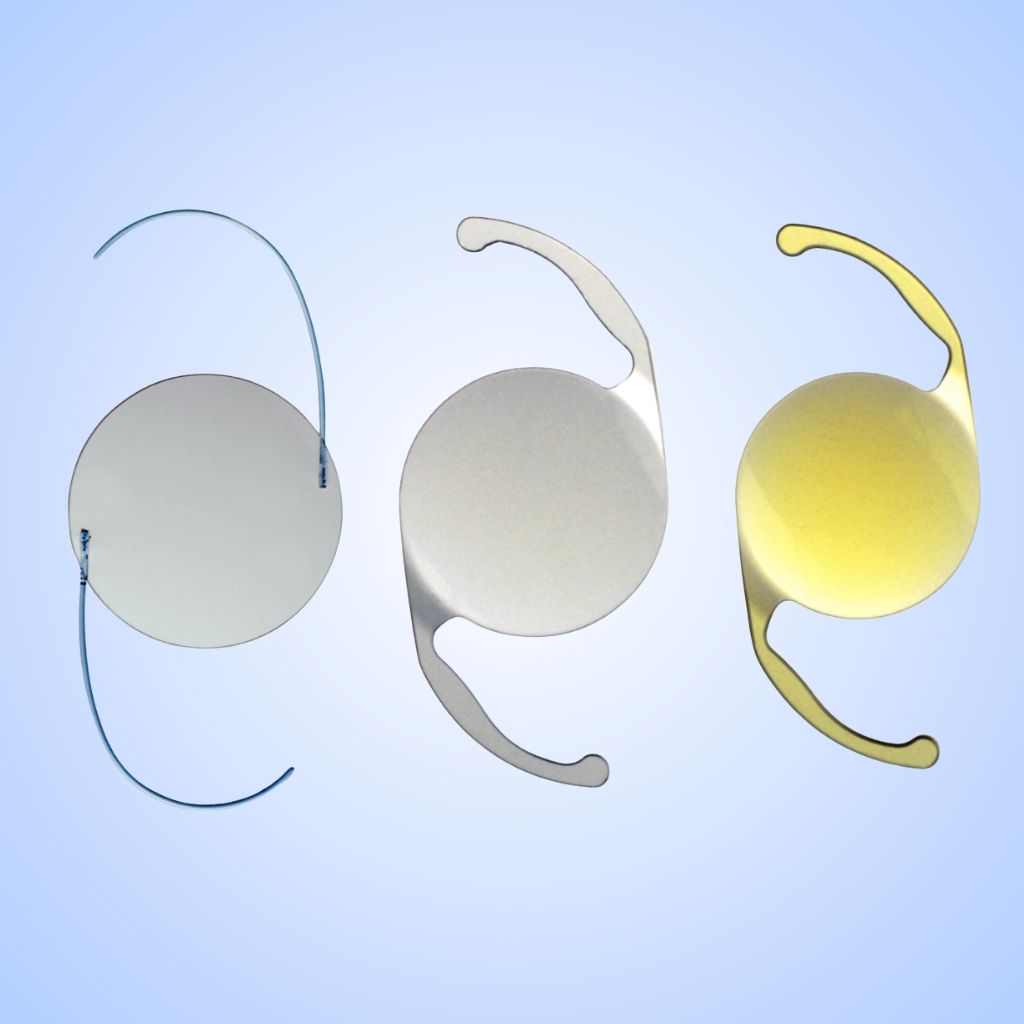
When surgery becomes necessary, the choice of intraocular lens (IOL) is a crucial step, as it largely determines the quality of vision after the procedure.
Continue reading to better understand the choice of intraocular lens (IOL) and how to discuss the available options with your ophthalmologist with confidence.
Choix de l’implant et correction optique : quel résultat après être opéré de la cataracte ?
monofocal lenses, which correct vision at a single distance;
multifocal lenses, which improve both near and distance vision;
toric lenses, which correct astigmatism.
The choice of intraocular lens (IOL) therefore plays a key role in reducing dependence on glasses.
To achieve optimal results, the COP9 team reminds patients that during the postoperative period it is important to instill the prescribed eye drops. These medications promote healing and help stabilize visual acuity.
Thanks to advances in cataract surgery, outcomes are now fast and safe!
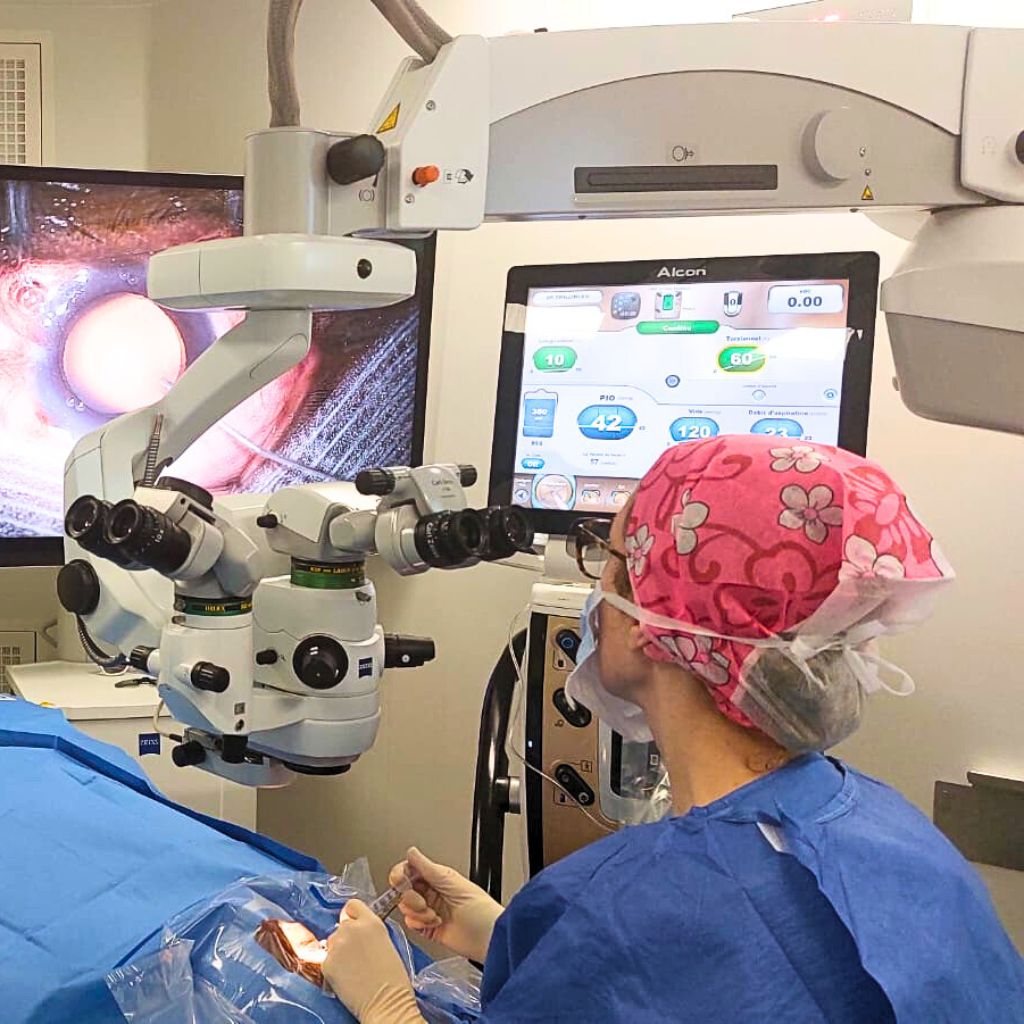
Dr Stéphanie Zwillinger in the operating room
Monofocal intraocular lens choices in cataract surgery
Among the different options, the monofocal intraocular lens remains the most commonly used.
This artificial lens is designed to provide clear vision at a single distance: either near or far.
In practice, most patients choose distance vision correction, and wear glasses for reading.
This type of lens offers excellent optical quality and long-term stability.
Monofocal lenses are particularly suitable for patients looking for a simple and reliable solution.
Multifocal intraocular lens choices for greater independence
Other intraocular lens options are available for patients who wish to reduce their dependence on glasses.
Multifocal lenses allow vision correction at several distances: near, intermediate, and far.
They are particularly beneficial for presbyopic patients who want to regain visual independence.
Toric intraocular lens choice in cases of astigmatism
For patients with astigmatism, toric intraocular lenses may be recommended.
These lenses are specifically designed to correct the irregular curvature of the cornea.
They can significantly improve visual quality without additional optical correction.
Some lens options even combine technologies: toric multifocal lenses correct both astigmatism and vision at different distances.
This solution can provide very satisfying visual independence. Once again, the choice of intraocular lens must be determined after a precise refraction assessment and a comprehensive ophthalmological examination.
The choice of intraocular lens in cataract surgery: what impact on postoperative vision?
During the preoperative consultation, the specialist explains in detail the available intraocular lens options in order to adapt the strategy to the patient’s lifestyle.
However, some lens choices may be associated with visual phenomena such as halos or glare, especially at night.
A discussion with your ophthalmologist is essential to evaluate your tolerance to these potential side effects.
Multifocal lens choices must therefore be personalized according to your visual expectations and daily habits.
How does the surgeon prepare and determine the choice of intraocular lens ?
Cataract surgery consists of removing the clouded crystalline lens through a small incision.
The surgeon preserves the capsular bag, into which the intraocular lens will be implanted.
Before surgery, the ophthalmologist performs precise measurements of visual acuity and the optical correction required.
This ophthalmological assessment allows the intraocular lens choice to be tailored to each patient. The precision of the surgical procedure directly influences future visual quality.
Cataract surgery, most often performed under local anesthesia in an outpatient setting, now benefits from modern technologies such as femtosecond laser, which improve surgical precision.
The success of the procedure depends both on surgical quality and the choice of the appropriate intraocular lens.
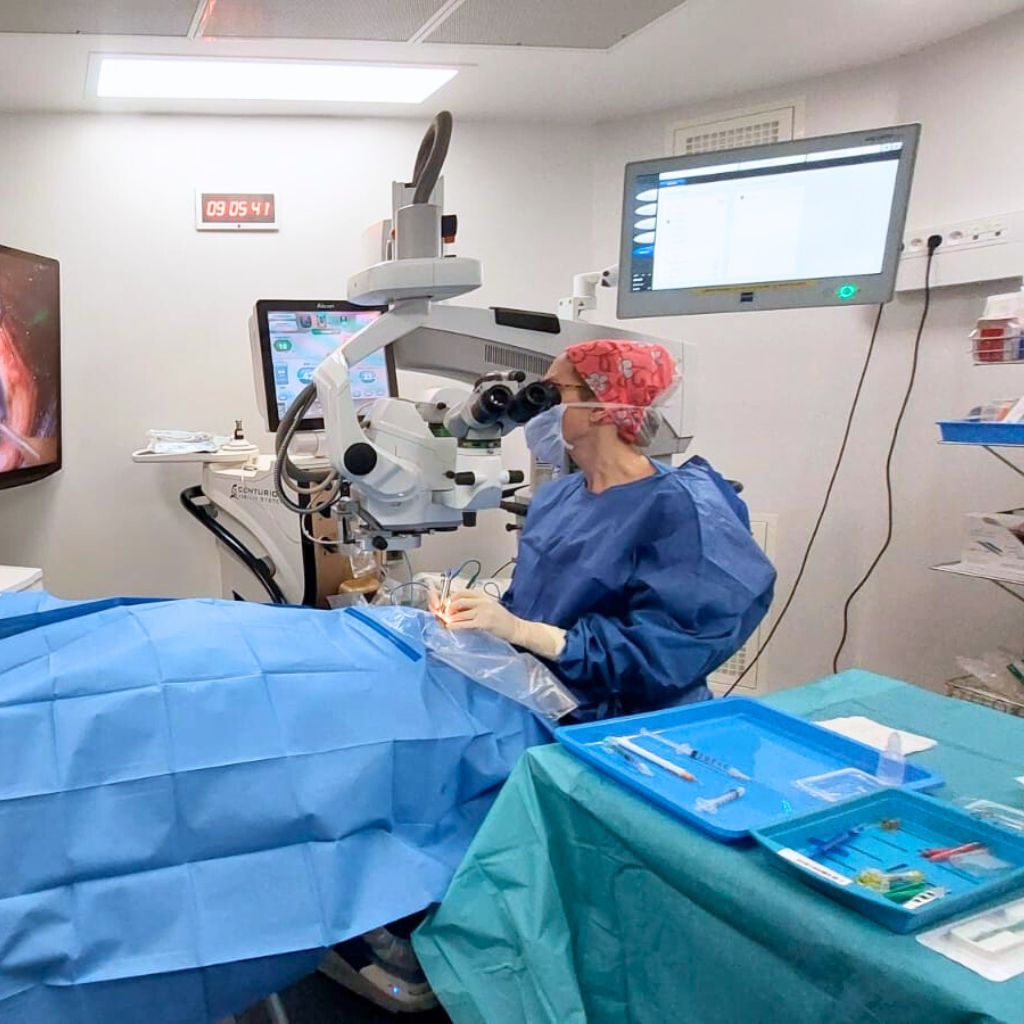
Le Dr Stéphanie Zwillinger en pleine chirurgie
Conclusion
The choice of intraocular lens (IOL) during cataract surgery plays a central role in the quality of vision after the procedure.
A discussion with your ophthalmologist, along with thorough eye examinations, makes it possible to adapt the choice of the intraocular lens to your visual needs and lifestyle, helping to optimize visual comfort and recovery.
Nous utilisons des cookies pour vous garantir la meilleure expérience sur notre site web. Si vous continuez à utiliser ce site, nous supposerons que vous en êtes satisfait.