Learning and vision problems: what might be holding your child back in class
Visual health is a key factor in your child’s academic success.
There is a strong link between learning and vision problems, as even slight visual impairment can significantly affect a child’s ability to concentrate and absorb new information.
Want to learn more about the warning signs and the available solutions to protect your child’s eyes? Keep reading for our expert advice!
What are the warning signs at school that suggest a link between learning and vision problems?
The connection between learning and vision disorders is undeniable.
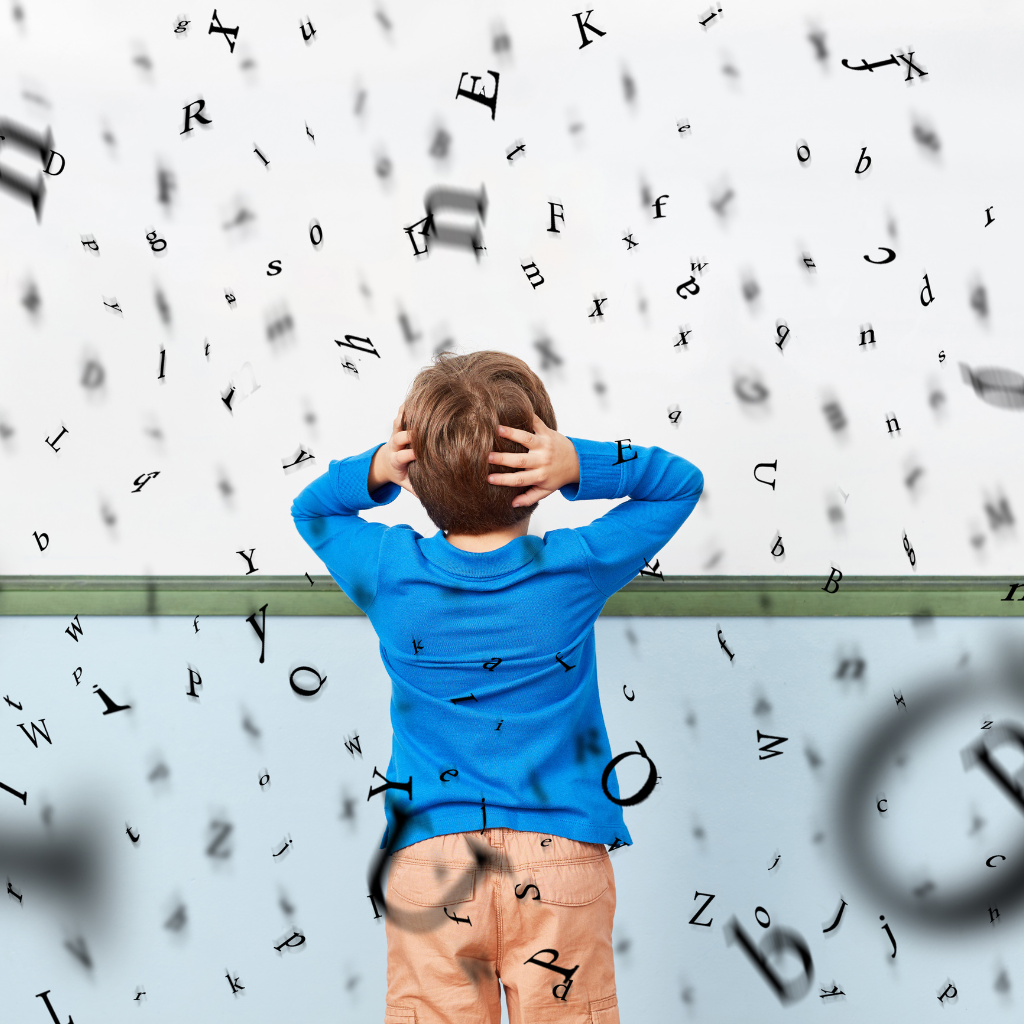
A child who squints to see the board, complains of frequent headaches, struggles to concentrate, or avoids reading may be suffering from a visual issue.
Other signs like blurred vision, sensitivity to contrast, or frequent copying mistakes may also point to an undiagnosed eye problem.
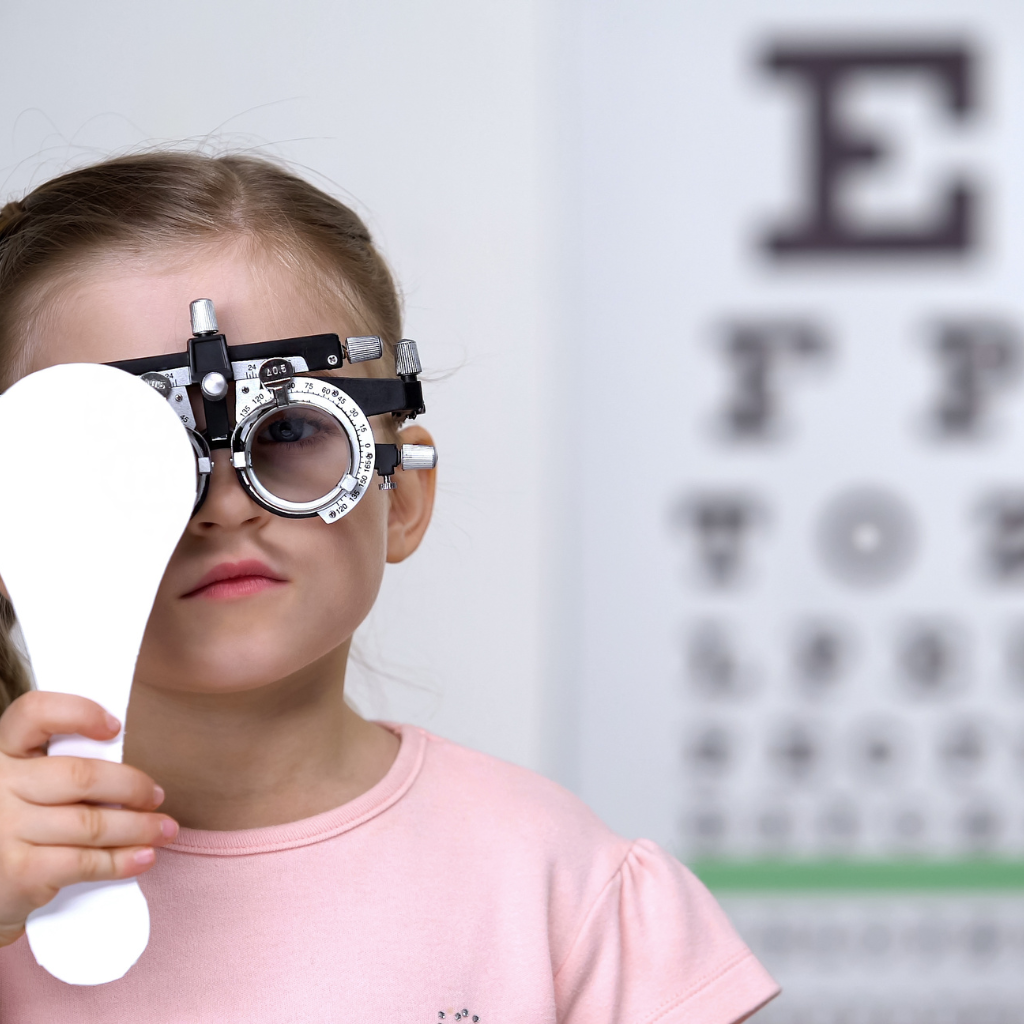
Ophthalmology helps identify these conditions through a comprehensive eye exam, including tests of the visual field, color vision, and a review of family history.
These exams can detect refractive errors (myopia, hyperopia, astigmatism) and evaluate proper binocular vision.
Depending on the results, a prescription for corrective lenses may be necessary.
Conversely, hyperopia makes near vision difficult, which also affects learning.
Children with astigmatism have an irregular curvature of the cornea or lens, leading to blurred vision both near and far.
These disorders often require specific optical correction, such as contact lenses or progressive lenses.
The link between learning and visual disorders is clear, and early identification is key.
Children may also experience visual fatigue due to excessive screen time, which can cause headaches and eye strain.
How are learning and vision problems connected in children ?
Visual problems can have a major impact on a child’s academic success.
Good visual acuity is essential for effective learning, and visual disorders are intrinsically linked to academic performance. Indeed,near vision is constantly used, especially during reading and writing.
Multiple eye conditions can affect academic performance, from simple refractive errors to more complex visual impairments.
That’s why regular eye exams with an ophthalmologist or orthoptist are so important.
These visual health professionals can detect potential vision problems and give children the best chance to thrive and succeed in school.
Warning signs at school that may point to learning and vision problems
Vision problems aren’t limited to refractive errors.
For example, strabismus can disrupt coordination between the eyes and make it difficult to achieve clear binocular vision.
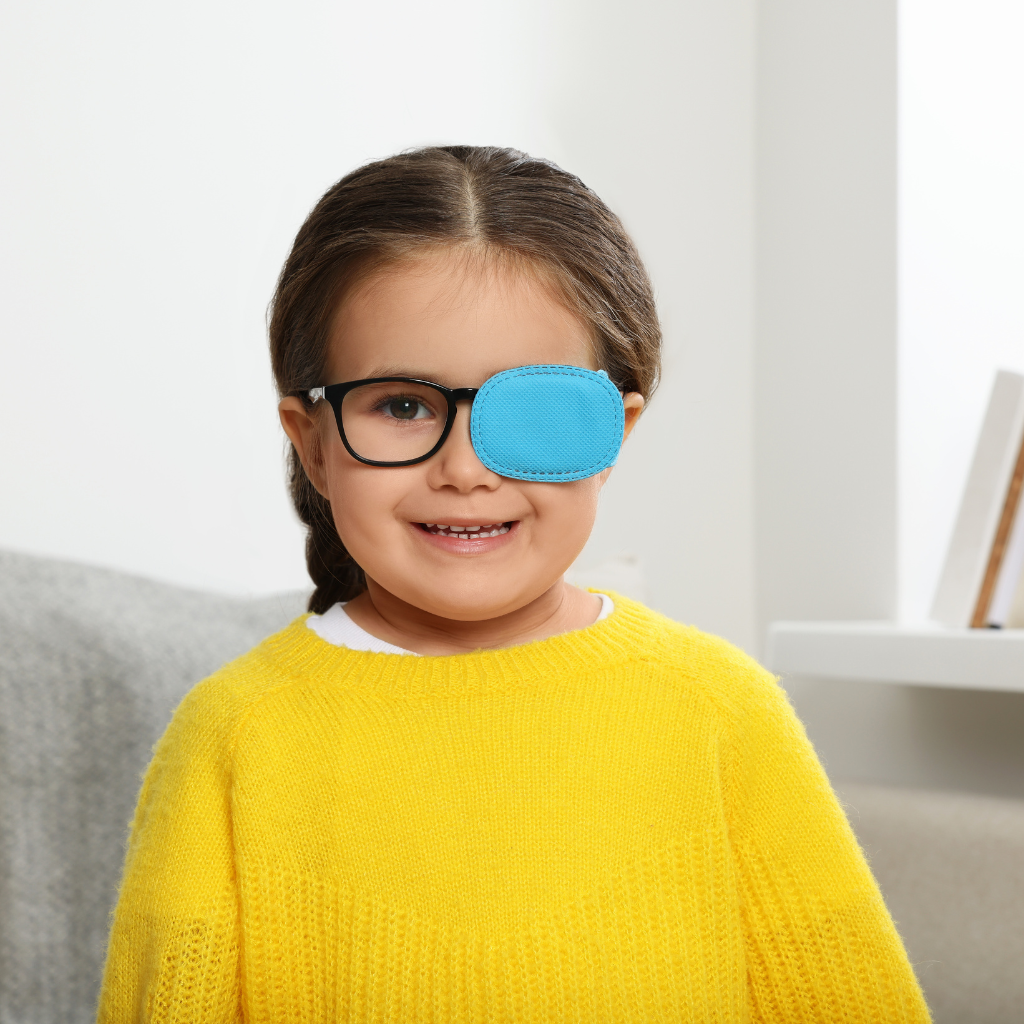
Children with amblyopia, often caused by untreated strabismus, may develop reduced vision in one eye, affecting academic performance.
Accommodation, the ability to shift focus between near and far objects, can become strained with prolonged effort, especially during schoolwork.
Other conditions, such as macular degeneration (AMD) or optic nerve damage, can also result in vision loss, although these are more common in adults.
Still, it’s important to note that disorders like glaucoma or cataracts, though rare in children, can occur and should be taken seriously.
Good visual acuity is essential for learning. Therefore, the link between learning and vision problems is especially strong due to the demands of reading, writing, and screen use.
In conclusion
A child’s academic progress depends heavily on visual health. The link between learning and vision problems is undeniable, and whether mild or obvious, these issues must be detected early through regular ophthalmological follow-up.
A full eye exam not only helps diagnose potential vision problems but also allows for early intervention, ranging from prescription glasses to orthoptic therapy.
By staying alert to warning signs both at home and in the classroom, parents and teachers play a vital role in identifying visual disorders and supporting each child’s academic success.
Nous utilisons des cookies pour vous garantir la meilleure expérience sur notre site web. Si vous continuez à utiliser ce site, nous supposerons que vous en êtes satisfait.