
Why do we say that we can see with our brain?
Understanding why we say that we can see with our brain opens the door to a fascinating exploration of neuroscience and the complex workings of the central nervous system.
Read on to discover why we say that we can see with our brain in this COP9 article!
How can we see with our brain?
Far from being limited to a simple visual sensation, vision is a cognitive process involving numerous regions and structures of the human brain.
When a light stimulus enters the eye, it is detected by specialized nerve cells called photoreceptors and converted into electrical signals.
These signals are transmitted to other cells in the retina, including ganglion cells, whose axons form the optic nerve.
These nerve impulses then travel towards the cerebral cortex, passing through the thalamus, which acts as a relay station, before reaching the primary visual cortex located in the occipital lobe.
This is why we say that we can see with our brain: our eyes capture light, but it is the brain that processes and interprets the information received.
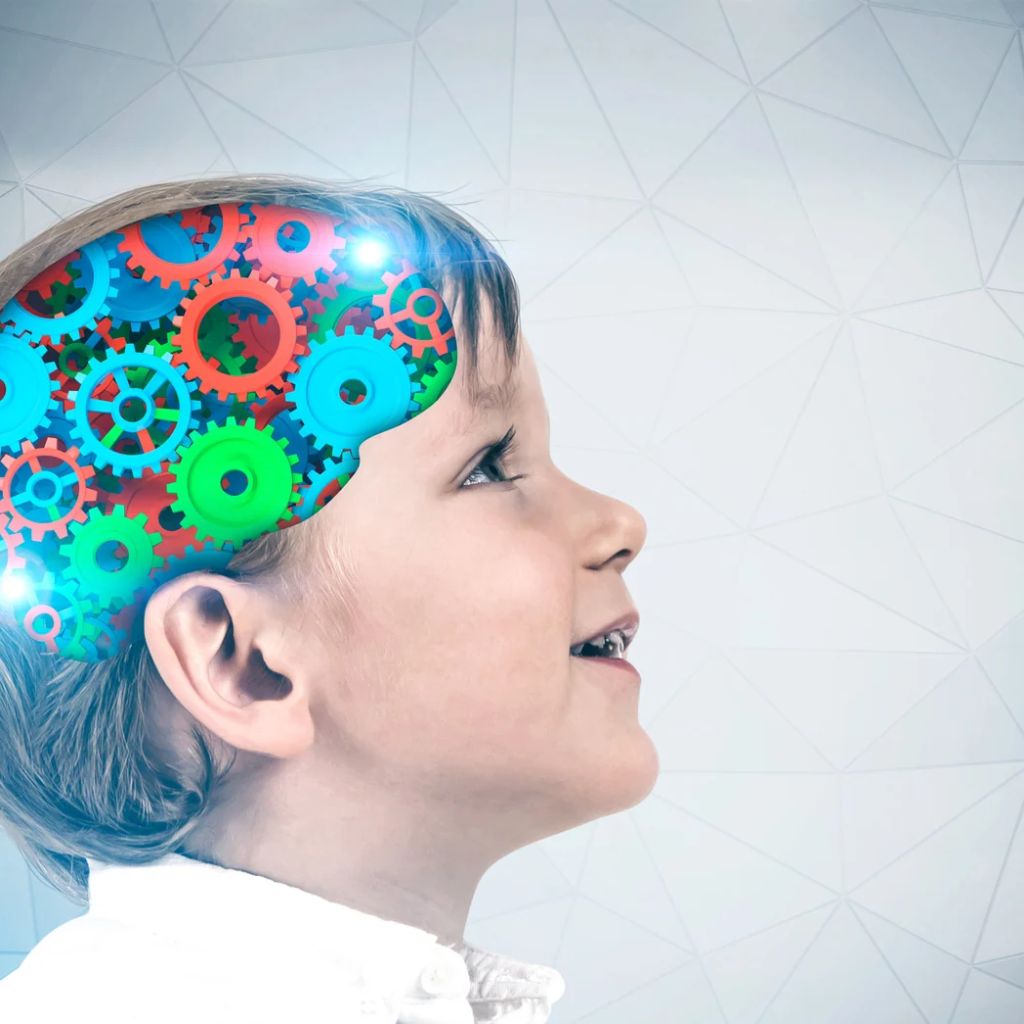
How does visual information allow us to see with our brain?
However, vision does not stop there.
Neural connections enable the brain to interpret these signals.
This means that various regions, including the prefrontal cortex and the parietal cortex, are involved in different aspects of visual processing, particularly attention and spatial orientation.
Regions associated with memory, such as the hippocampus, also contribute to the recognition and retention of spatial and visual information.
The cortical areas, particularly those within the parietal lobe, help integrate visual and spatial information.
These different regions communicate through neural circuits that coordinate information and contribute to the brain’s functional organization.
The neurons within these brain regions form synapses that are crucial for transmitting information.
Neurotransmitters, such as glutamate, play a key role in communication between these neurons, facilitating brain plasticity, which enables us to learn and remember visual information.
This neural plasticity is also essential for adapting to sensory changes and supporting brain development, allowing neural connections to be strengthened or modified in response to repeated stimuli.
Thus, our ability to see with our brain relies on the continuous processing, selection, and interpretation of visual information.
What are the consequences of neurological diseases?
Aging and neurodegenerative diseases, such as Alzheimer’s disease and Parkinson’s disease, can affect these neural connections and disrupt certain information-processing mechanisms, highlighting the relationship between neuronal structure and cognitive function.
The development of new therapies based on stem cells and neurogenesis is an active area of research. However, these approaches remain experimental and are not currently established treatments for these diseases.
What role does neuroscience play in ophthalmology?
Moreover, brain imaging techniques, such as MRI and functional magnetic resonance imaging (fMRI), have enabled neuroscientists to gain a better understanding of how different brain regions become active when exposed to visual stimuli.
MRI makes it possible to examine brain structures, while functional MRI indirectly measures their activity by detecting changes in blood flow and oxygenation.
Magnetic resonance imaging therefore contributes to the study of brain activity and the various regions involved in visual processing.
These studies reveal that our ability to see with our brain involves more than just the cerebral cortex.
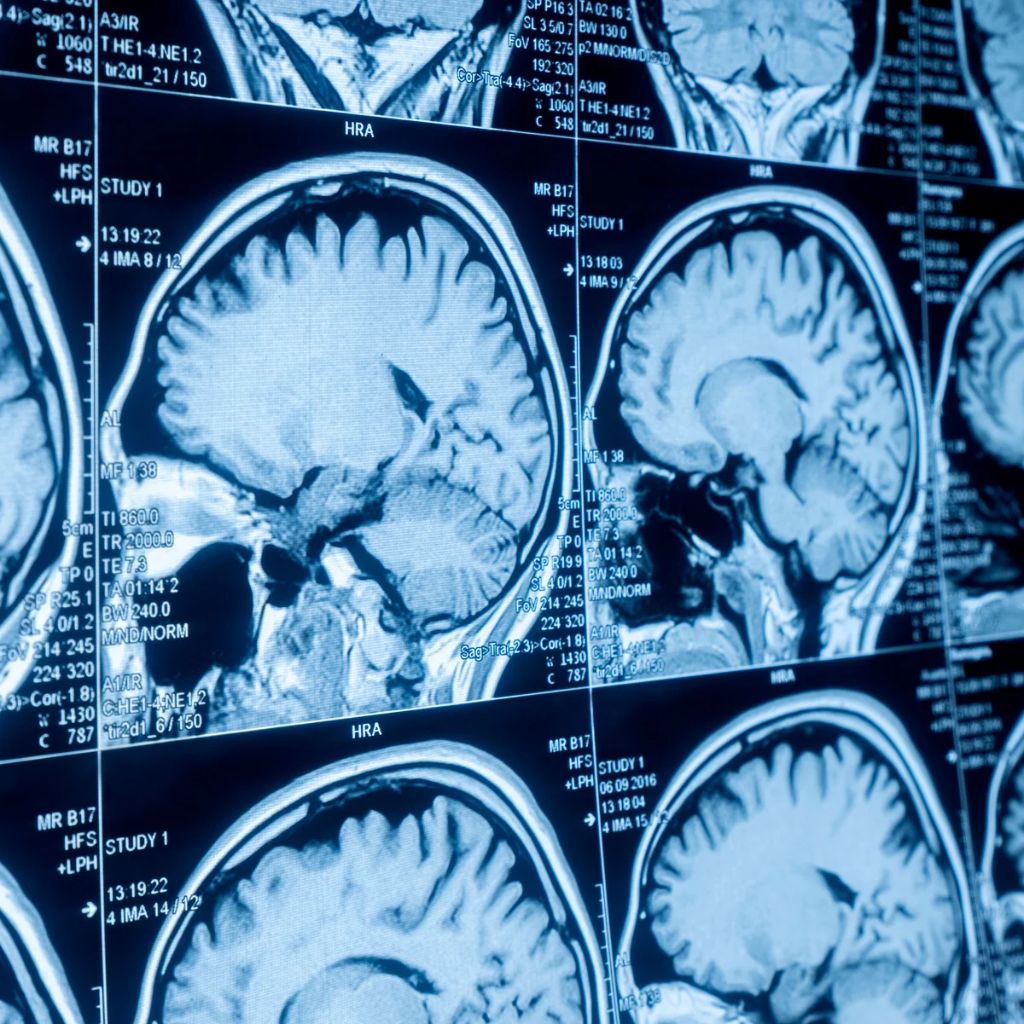
Regions such as the thalamus, which acts as a sensory relay station, and even evolutionarily older structures such as the brainstem, are involved in processing visual information and associated reflexes, including pupillary reflexes and certain eye movements.
It is also worth highlighting the role of glial cells, which do more than simply support neurons. They also contribute to the modulation of neuronal activity and the overall health of nervous tissue.
These cells, particularly astrocytes, are essential for maintaining neurotransmitter homeostasis, notably by regulating glutamate levels, and for providing metabolic support to neurons, thereby contributing to overall brain function.
In ophthalmology, this knowledge helps us better understand the interactions between the eyes and the brain.
The eye captures visual information and transmits it to the brain, which then generates an appropriate response, involving both motor and cognitive functions.
Neurovisual science therefore explores the connections between visual perception, brain function, and motor control.
Understanding how we can see with our brain also helps us better understand certain visual disorders whose origins are not exclusively related to the eyes.
Can visual functions be stimulated and rehabilitated?
The brain’s ability to adapt relies in particular on brain plasticity and neural networks.
This ability is particularly important during neurodevelopment, as children’s developing brains gradually learn to process visual information.
In cases of visual difficulties, orthoptic rehabilitation, provided by an orthoptist, may be recommended to improve certain visual functions, eye coordination, and binocular vision.
These exercises involve targeted stimulation and can form part of the management of certain visual disorders.

Neuroscience research is also helping to explore new therapeutic approaches (such as the MoveR device) to better understand the neural mechanisms involved in visual functions and their interactions with motor control.
Our ability to see with our brain can therefore be supported through appropriate care, particularly when certain visual functions require rehabilitation.
In conclusion
Understanding how we see with our brain reveals that vision is much more than the simple act of seeing. It is a complex cognitive process involving numerous neural structures and an extensive network of synaptic connections.
Scientific references:


