Neonatal conjunctivitis: How to understand and act quickly
Neonatal conjunctivitis: How to understand and act quickly
Neonatal conjunctivitis is a common eye infection in newborns that requires prompt management. Redness, discharge, and swollen eyes are warning signs that should not be ignored.
In this COP9 article, discover how to recognize and treat neonatal conjunctivitis.
What is neonatal conjunctivitis?
Neonatal conjunctivitis is an inflammation of the conjunctival membrane, the thin tissue lining the inside of the eyelids and covering the eyeball of newborns.
This condition can be caused by various infections, ranging from bacteria to viruses, and may be mild or lead to complications if not properly treated.
In ophthalmology, this condition requires special attention because the infant’s ocular surface is particularly fragile.
A poorly treated infection can become a complication affecting the cornea and permanently impair vision.
What causes neonatal conjunctivitis?
One of the most common causes of neonatal conjunctivitis is a bacterial infection, often linked to organisms such as Chlamydia or Neisseria gonorrhoeae.
In these cases, symptoms typically include redness, abundant purulent discharge, and eye discomfort.
Other cases may be caused by viral infections, such as herpes, which can produce similar symptoms but usually with less purulent discharge.
These pathogens are transmitted through eye contact during passage through the maternal birth canal during delivery.
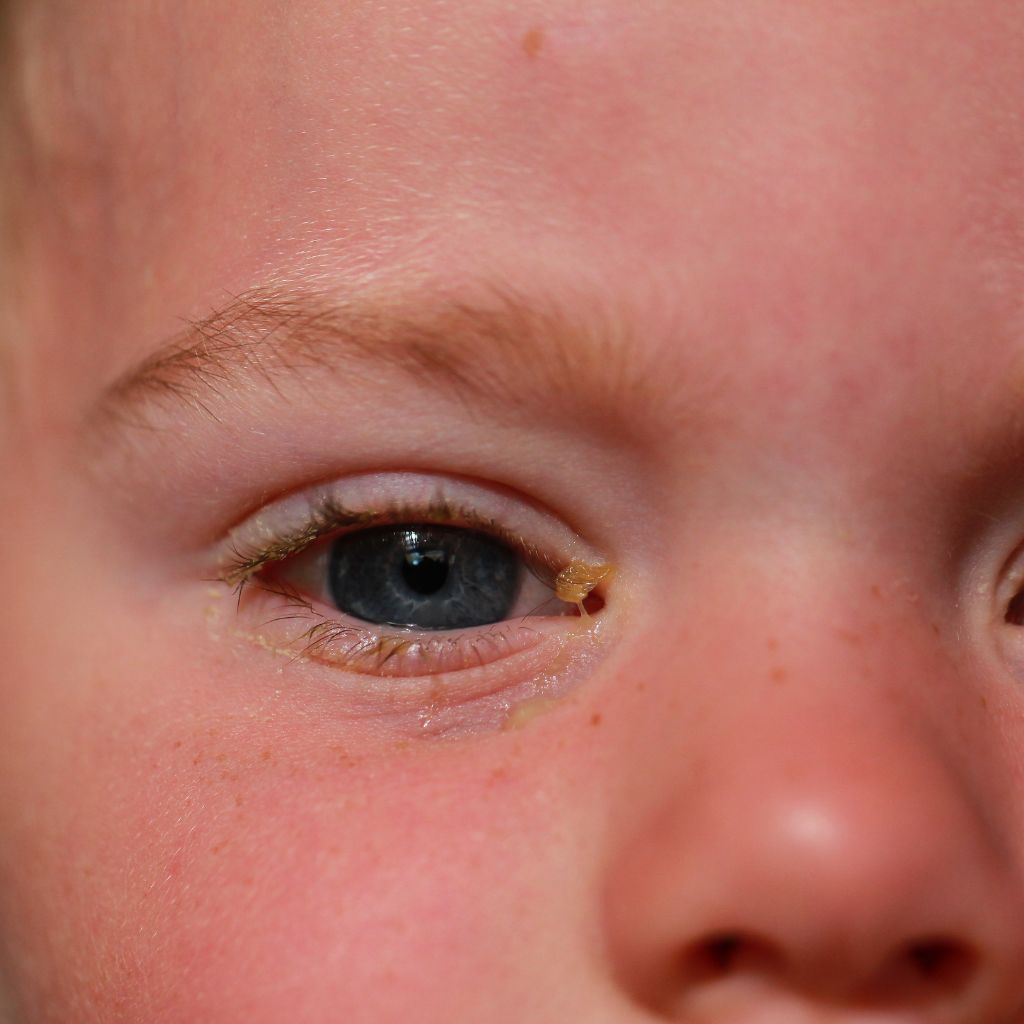
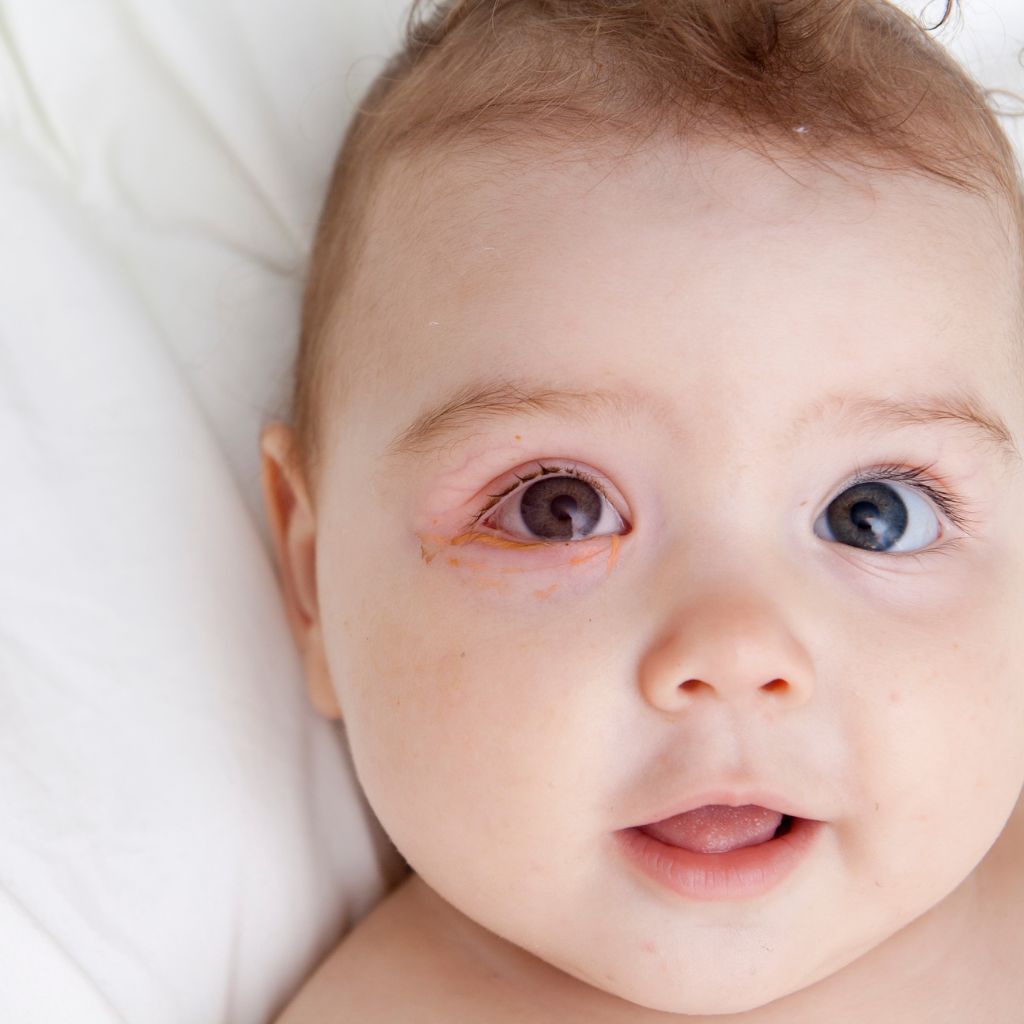
Affected newborns commonly present with red eyes, swollen eyelids, and visible discharge along the eyelashes and eyelid margins.
What are the symptoms of neonatal conjunctivitis?
When they suffer from neonatal conjunctivitis, newborns may show clinical signs such as red eyes, itching, irritation, and increased tearing.
These symptoms usually appear within 24 to 48 hours after birth but may also occur several days later in viral cases.
Another frequent symptom is discomfort, with irritated or repeatedly inflamed eyes.
The ocular surface may appear inflamed, and the newborn may keep their eyes closed due to discomfort.
How is neonatal conjunctivitis treated?
Treatment of neonatal conjunctivitis depends on the underlying cause.
In the case of bacterial infections, an ophthalmologist may prescribe antibiotic eye drops or ophthalmic ointment.
Warm compresses may also help relieve discomfort and reduce inflammation.
In viral infections, treatment is generally symptomatic, often involving artificial tears to relieve dryness.
Eye drops or ophthalmic drops may be prescribed depending on the clinical situation.
It is essential to use products suitable for infants and preservative-free solutions to avoid further irritation.
Antibiotics should be administered according to medical recommendations to promote healing and prevent any ocular complications.
How to clean a newborn’s eyes in case of neonatal conjunctivitis?
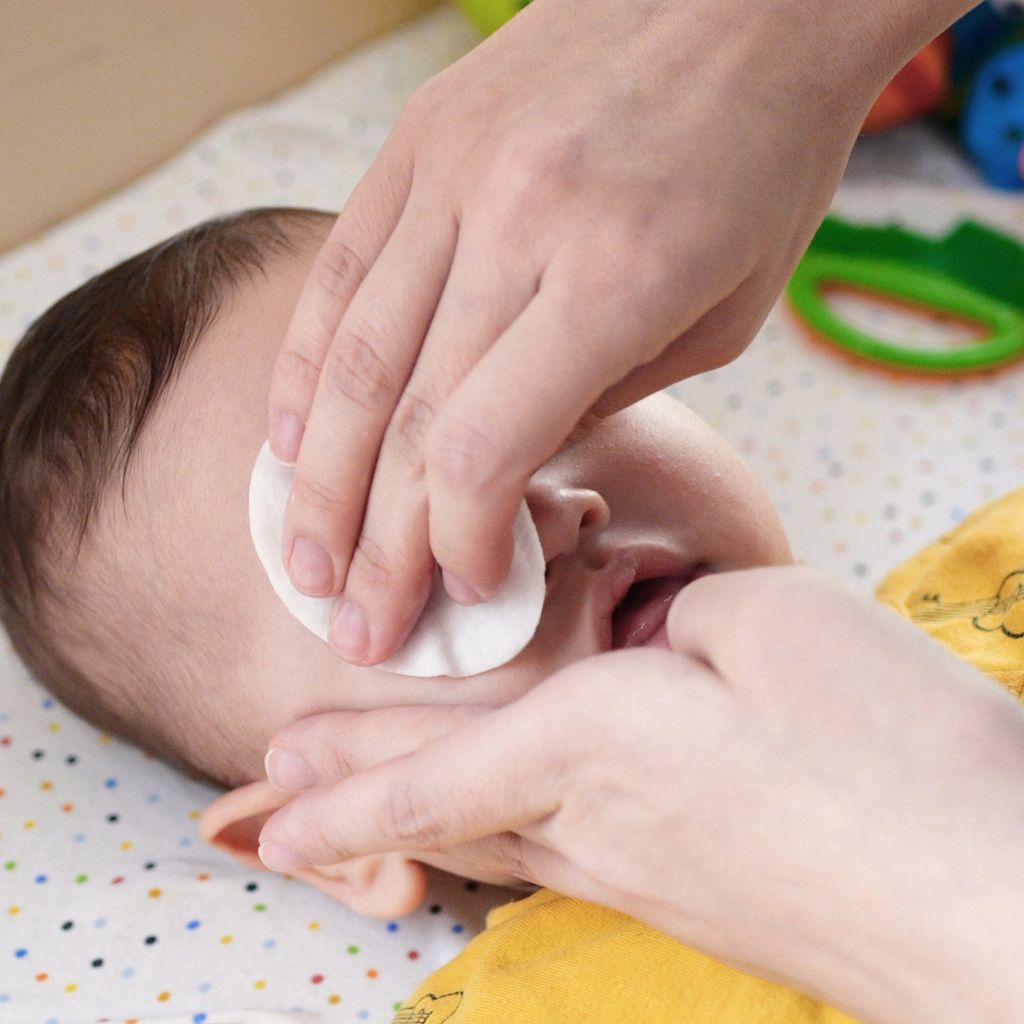
In case of neonatal conjunctivitis, Gentle eye cleaning can be performed using sterile saline solution to clean the eyes and remove discharge.
This helps relieve symptoms and limit the spread of germs on the ocular surface.
A clean compress should be used for each eye to avoid any cross-contamination.
It is important to avoid rubbing the eyes, as this may worsen symptoms. Hands should always be washed thoroughly before touching the newborn’s eyes.
Additionally, if the mother shows signs of conjunctivitis, wearing contact lenses should be avoided during breastfeeding to reduce the risk of transmission to the baby.
How to prevent neonatal conjunctivitis?
Prevention of neonatal conjunctivitis also involves careful monitoring during pregnancy.
For example, pregnant women should be tested for infections such as Chlamydia, and any preventive treatment should be considered to avoid exposing the newborn to these pathogens during delivery.
Any redness in a newborn’s eyes should be examined promptly by a pediatric ophthalmology specialist to establish an accurate diagnosis and appropriate treatment.
Personalized ophthalmological follow-up not only helps effectively manage the infection, but also preserves visual acuity and prevents long-term complications, such as blindness, that may result from severe conjunctivitis.
In conclusion
Neonatal conjunctivitis should never be underestimated, even if it initially appears mild. Persistent redness, discharge, or eyelid swelling in a newborn requires prompt medical evaluation to rule out more severe bacterial or viral infections.
Early diagnosis and appropriate management help reduce the risk of complications and protect the infant’s vision. When in doubt, a specialized examination is essential to safeguard eye health from the very first days of life.
Nous utilisons des cookies pour vous garantir la meilleure expérience sur notre site web. Si vous continuez à utiliser ce site, nous supposerons que vous en êtes satisfait.