Glaucoma often progresses silently, yet its consequences can be irreversible. Understanding how to stabilize glaucoma early is essential to preserve vision and prevent progressive visual field loss.
Diagnosis, treatment, and follow-up : discover the key elements in order to stabilize glaucoma and protect long-term eye health.
Identifying the type of glaucoma to stabilize glaucoma
Stabilizing glaucoma is a central objective of ophthalmologic management in order to prevent silent progression toward irreversible blindness.
The glaucoma is a chronic disease that affects the eye and the optic nerve and typically progresses gradually. It may involve different patient profiles, including:
In cases of acute glaucoma, urgent consultation with an ophthalmologist is strongly recommended to prevent severe complications.
To stabilize glaucoma, a comprehensive strategy based on early detection, medical treatment, surgical options, and strict ophthalmologic follow-up is essential.
Regular ophthalmologic follow-up to stabilize glaucoma
Regular follow-up with an ophthalmologist is essential to monitor disease progression.
Early screening is crucial for glaucoma detection, particularly in individuals with a medicalfamily history or other risk factors.
Continuous monitoring allows detection of changes in the visual field and optic disc, making it possible to adjust treatment in a timely manner.
Intraocular pressure measurement and ophthalmologic examinations
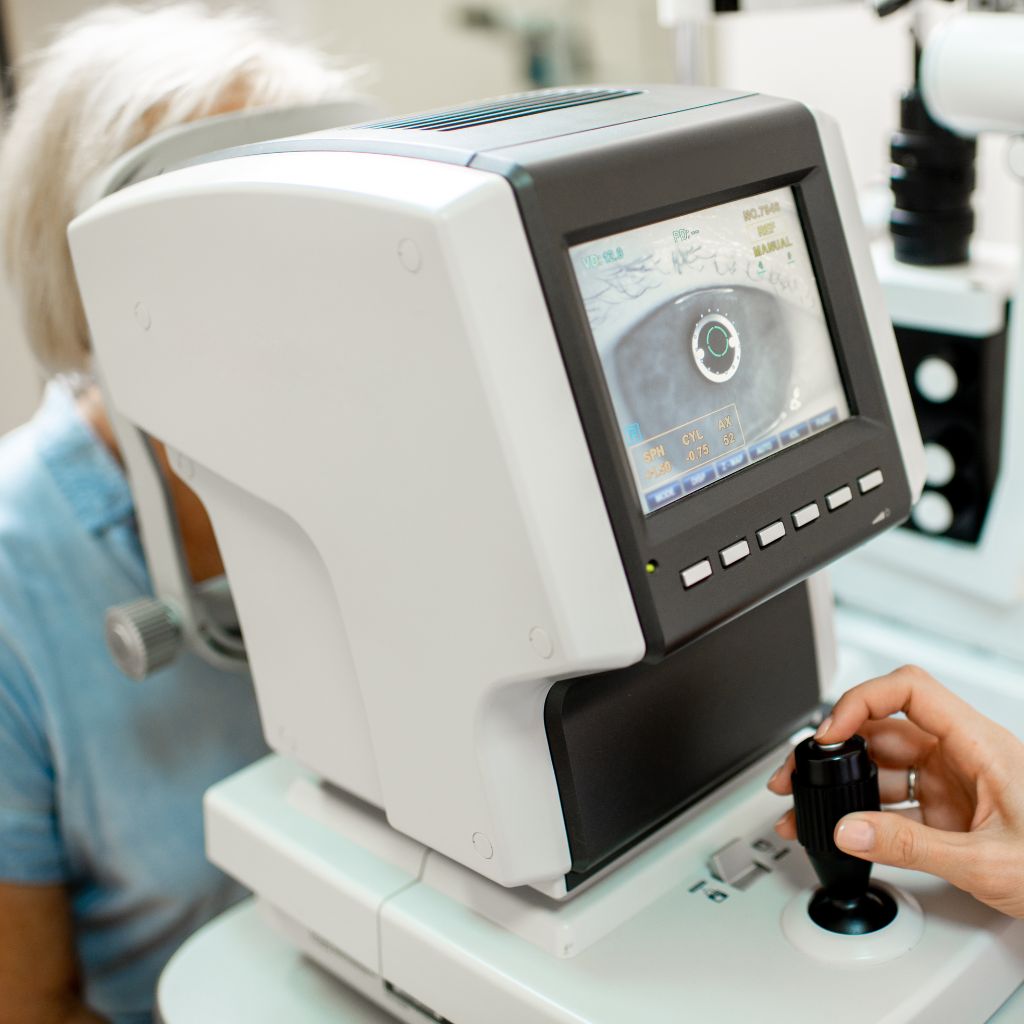
These examinations are essential to diagnose glaucoma, identify its type, assess progression, and prevent irreversible optic nerve damage:
measurement of intraocular pressure (IOP);
dilated fundus examination to analyze the optic disc;
visual field assessment and evaluation of the optic nerve head;
analysis of the cornea and other ocular structures that may influence disease progression.
Additional examinations such as optic disc photography and, in certain cases, angiography allow detailed analysis of the optic nerve and retinal nerve fibers, including their structure and vascular supply.
Tonometry is used to evaluate ocular hypertension, defined as elevated intraocular pressure measured in mmHg, which may indicate a risk of glaucoma.
Patient education and lifestyle measures
Patients must be informed about the risks associated with glaucoma and how to minimize them.
Maintaining an active lifestyle, avoiding prolonged exposure to intense light or stressful situations, and strictly adhering to medical recommendations concerning eye drop regimens, are important components of disease management.
Medical treatment to stabilize glaucoma
Glaucoma treatment often begins with medication.
The goal is to reduce intraocular pressure while minimizing side effects that may cause discomfort.
Topical treatments, including prostaglandin analogs, beta-blockers, aqueous humor secretion inhibitors, and other agents, help lower intraocular pressure.
It is essential to follow proper instillation techniques, as incorrect administration can reduce treatment effectiveness.
Eye drops that enhance aqueous humor outflow through the trabecular meshwork and uveoscleral pathways remain a cornerstone of glaucoma therapy.
Reducing intraocular pressure and managing side effects
Medical therapy aims to lower intraocular pressure while limiting adverse effects.
Your ophthalmologist adjusts treatment based on the type of glaucoma, intraocular pressure levels, and the patient’s overall profile, including systemic blood pressure, to optimize treatment efficacy and quality of life.
When should surgical management be considered to stabilize glaucoma?
When medical treatment is insufficient to stabilize glaucoma, surgical procedures may be considered.
Filtering surgery facilitates aqueous humor drainage and reduces intraocular pressure.
Other surgical procedures, including glaucoma implant surgery, may also be performed.
Laser therapy, such as Selective Laser Trabeculoplasty (SLT), improves aqueous humor drainage through the trabecular meshwork, helping to control intraocular pressure.
Surgical treatment enhances intraocular fluid outflow and represents an effective option for patients with progressive glaucoma or poorly controlled intraocular pressure.
To conclude
Stabilizing glaucoma requires an integrated approach that combines early diagnosis, appropriate medical treatment, regular monitoring, and continuous patient education and vigilance.
Advances in ophthalmology, including surgical techniques and laser treatments, provide effective solutions for managing this condition. However, consultation with an ophthalmologist remains essential to develop a personalized treatment plan.
Successfully stabilizing glaucoma helps preserve long-term ocular health and quality of life.
Nous utilisons des cookies pour vous garantir la meilleure expérience sur notre site web. Si vous continuez à utiliser ce site, nous supposerons que vous en êtes satisfait.