In general, any increase in pressure within the eyeball significantly raises the risk of developing the disease.
Ophthalmologists recommend several preventive measures to detect the early-onset glaucoma, which is the early form of glaucoma, especially within the framework of preventive ophthalmology.
Early-onset glaucoma : family history and early screening
Family history plays a major role in glaucoma risk.
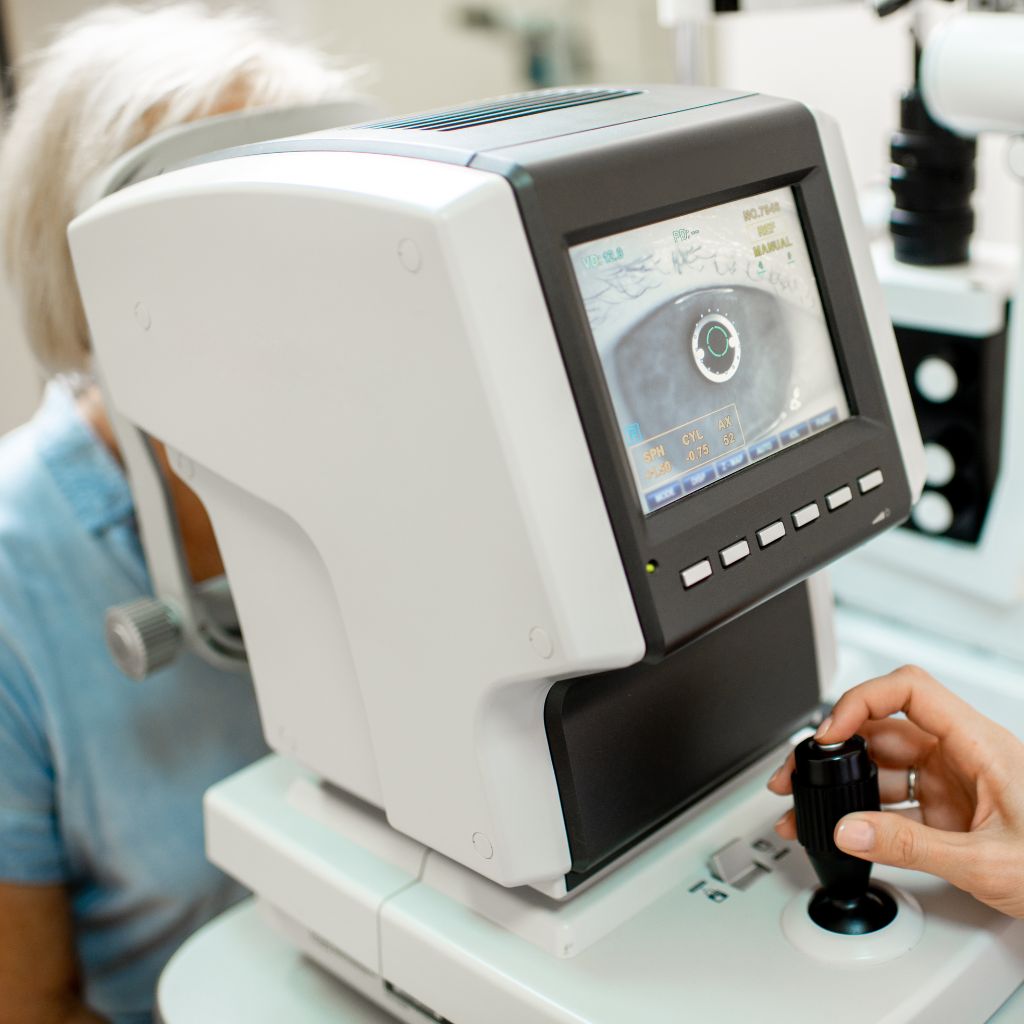
Basic screening includes measuring intraocular pressure (IOP) to assess signs of ocular hypertension or elevated eye pressure, which is often asymptomatic.
In some cases, pressure may remain within normal ranges, especially in normal-tension glaucoma, reinforcing the importance of regular monitoring.
Early-onset glaucoma: assessing intraocular pressure and eye structure
Intraocular pressure is measured in mmHg to detect ocular hypertension.
Pressure levels above normal may indicate an increased risk of glaucoma.
Regular measurements are essential, as elevated pressure can occur without visible signs or pain.
Eye structure also plays a role: lens abnormalities, alterations in aqueous humor dynamics within the anterior chamber, or angle closure can promote the development of open-angle or angle-closure glaucoma.
The retina, which is highly sensitive, may be rapidly affected as the disease progresses.
Repeated measurements are often required, especially when elevated levels are detected or when congenital glaucoma is present in the family history.
Early-onset glaucoma: optic nerve examination and fundus evaluation
Analysis of the optic nerve head and optic disc during a fundus examination is crucial for detecting optic nerve damage.
This includes evaluating optic disc cupping, which may indicate glaucomatous optic neuropathy.
The ophthalmologist may also look for visual disturbances such as halos, changes in central vision, or early signs of open-angle glaucoma.
Monitoring the eyeball and optic structures is a key step in screening for early-onset glaucoma.
Early-onset glaucoma: visual field testing and silent progression
Visual field tests allow early detection of peripheral visual field defects, which are common in chronic glaucoma.
Loss of peripheral vision may go unnoticed, but regular testing can identify hidden deficits.
Early-onset glaucoma progresses slowly and painlessly, yet it can cause irreversible retinal damage, justifying close and long-term follow-up.
Early-onset glaucoma : treatments, laser therapy, and surgery
When glaucoma is detected, treatment depends on the type and severity of the disease and may include:
ophthalmic eye drops (prostaglandins, beta-blockers) with daily instillation to lower intraocular pressure ;
The goal is to regulate aqueous humor outflow and reduce intraocular pressure. Potential side effects and treatment options should be discussed with your ophthalmologist.
Early-onset glaucoma : the importance of regular follow-up
Ophthalmic follow-up is essential, especially for young individuals at risk.
Regular screening, even in the absence of symptoms, helps protect against irreversible vision loss.
Annual examinations are recommended, including assessment of visual acuity, anterior chamber angle, and optic nerve health.
In conclusion
Early-onset glaucoma requires a proactive and systematic approach. Early screening and appropriate treatment help prevent severe complications such as blindness.
Awareness, monitoring of risk factors, and regular ophthalmologic examinations are the keys to effective detection, particularly for individuals with a family history or increased risk.
Nous utilisons des cookies pour vous garantir la meilleure expérience sur notre site web. Si vous continuez à utiliser ce site, nous supposerons que vous en êtes satisfait.