Your child can’t see the board clearly? Here’s why
Your child can’t see the board clearly? Here’s why
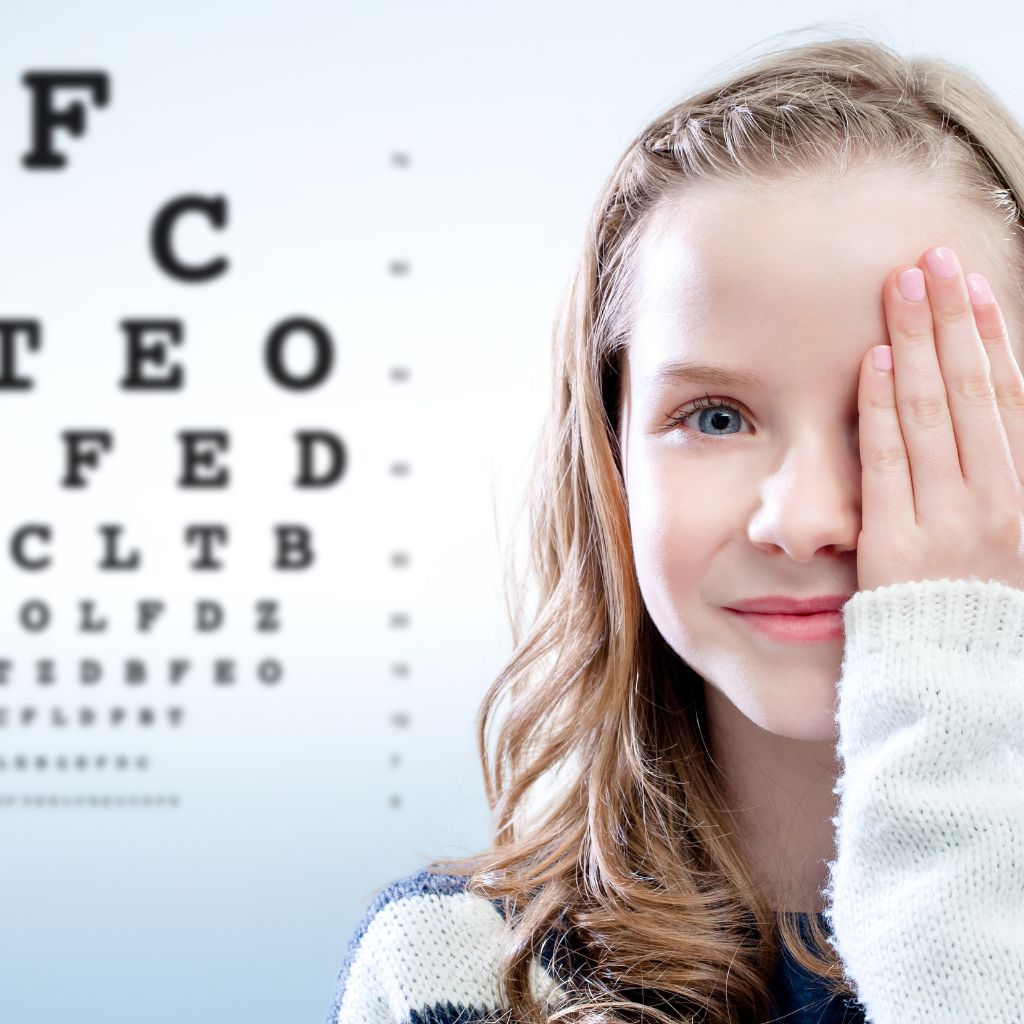
Does your child squint, move closer to the board or struggle to read what is written in class? These signs may indicate a vision problem.
If your child can’t see the board clearly, an eye examination can help determine the cause and ensure that they receive the appropriate care.
Discover the main possible causes and the warning signs that should prompt you to consult an ophthalmologist.
What eye conditions can explain why a child can’t see the board clearly?
Astigmatism
Astigmatism can explain why your child can’t see the board clearly. Children with astigmatism may experience:
eye strain;
headaches;
visual fatigue after reading or writing for only a short period of time.
A child with astigmatism may have difficulty with both distance vision and near vision, particularly when focusing on close-up material during school activities.
Strabismus
Vision disorders such as strabismus can also affect visual perception and explain why your child can’t see the board clearly.
When the two eyes do not work together properly, the child may find it difficult to maintain comfortable and stable vision.
This condition often involves misalignment of the eyes and may cause double vision, or diplopia, making binocular vision more difficult.
An orthoptist can assess eye coordination and look for conditions that may explain these visual difficulties.
These signs do not necessarily mean that the child has a serious eyesight problem, but they may warrant an eye examination to protect their eye health.
Myopia
If a child can’t see the board clearly, difficulty seeing at a distance may be caused by myopia.
A child with myopia has difficulty seeing distant objects clearly, which can make reading the board particularly challenging.
A myopic child may therefore have good near vision but poor distance vision, which can explain certain difficulties at school.
Hyperopia
Hyperopia, on the other hand, may cause blurred near vision, making it difficult for pupils to read text at close range.
A hyperopic child may nevertheless compensate for this refractive error through accommodation, particularly when they are young.
In some cases, a child may have myopia in one eye and hyperopia in the other, leading to additional visual difficulties. It also can explain why your child can’t see the board clearly.
Other eye conditions
In some cases, visual difficulties may be associated with abnormalities of the cornea or lens that cause a refractive error.
Retinal detachment is another serious condition requiring immediate medical attention. Warning signs may include sudden flashes of light, a sudden increase in floaters, blurred vision or a shadow or curtain across the field of vision.
Although cataracts and age-related macular degeneration are generally associated with ageing, congenital cataracts and certain inherited macular disorders can affect children and may cause a progressive loss of visual acuity.
What should you do if your child can’t see the board clearly?
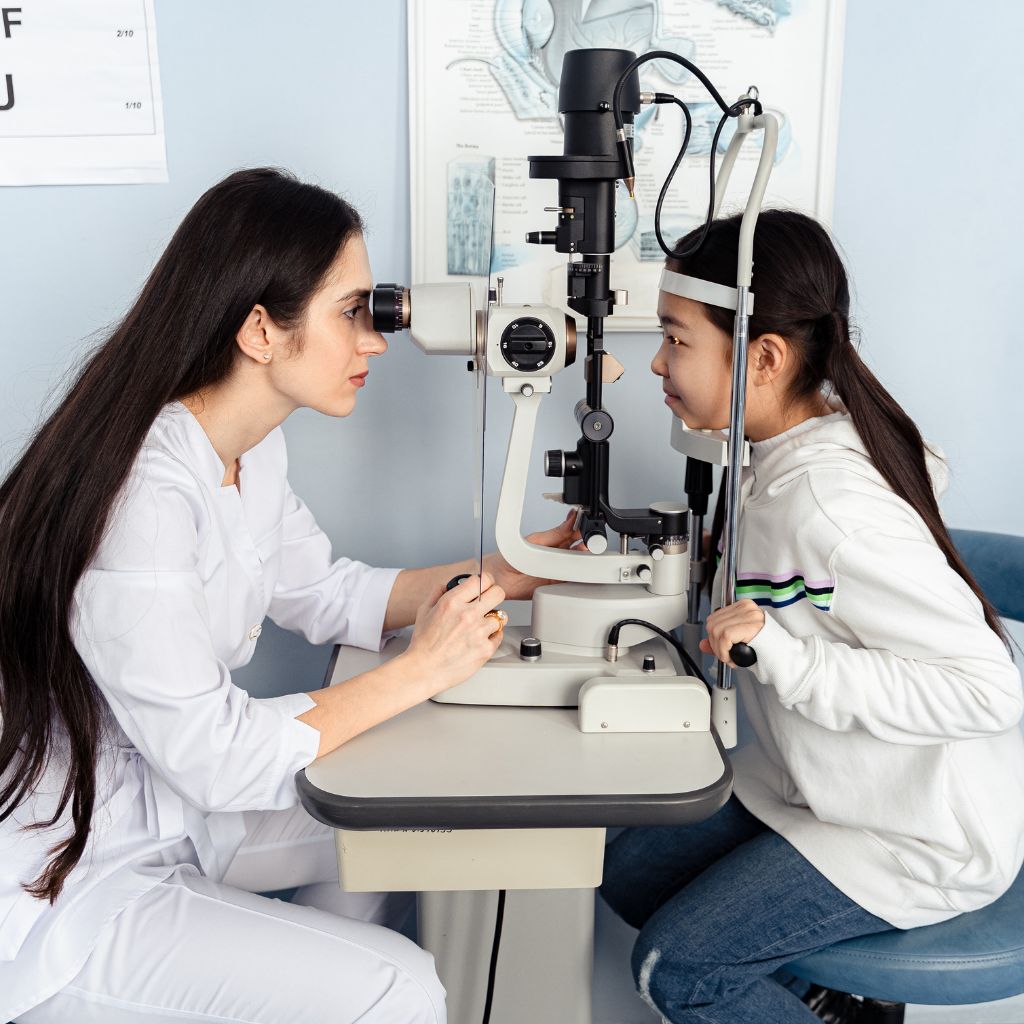
If your child can’t see the board clearly, an ophthalmological examination can help identify the cause of their visual difficulties.
This vision screening can detect a possible visual disorder and assess the child’s overall eye health.
During the vision assessment, your ophthalmologist can identify a potential refractive error and prescribe the appropriate correction.
How can you improve the vision of a child who can’t see the board clearly?
If your child can’t see the board clearly, several vision correction options are available:
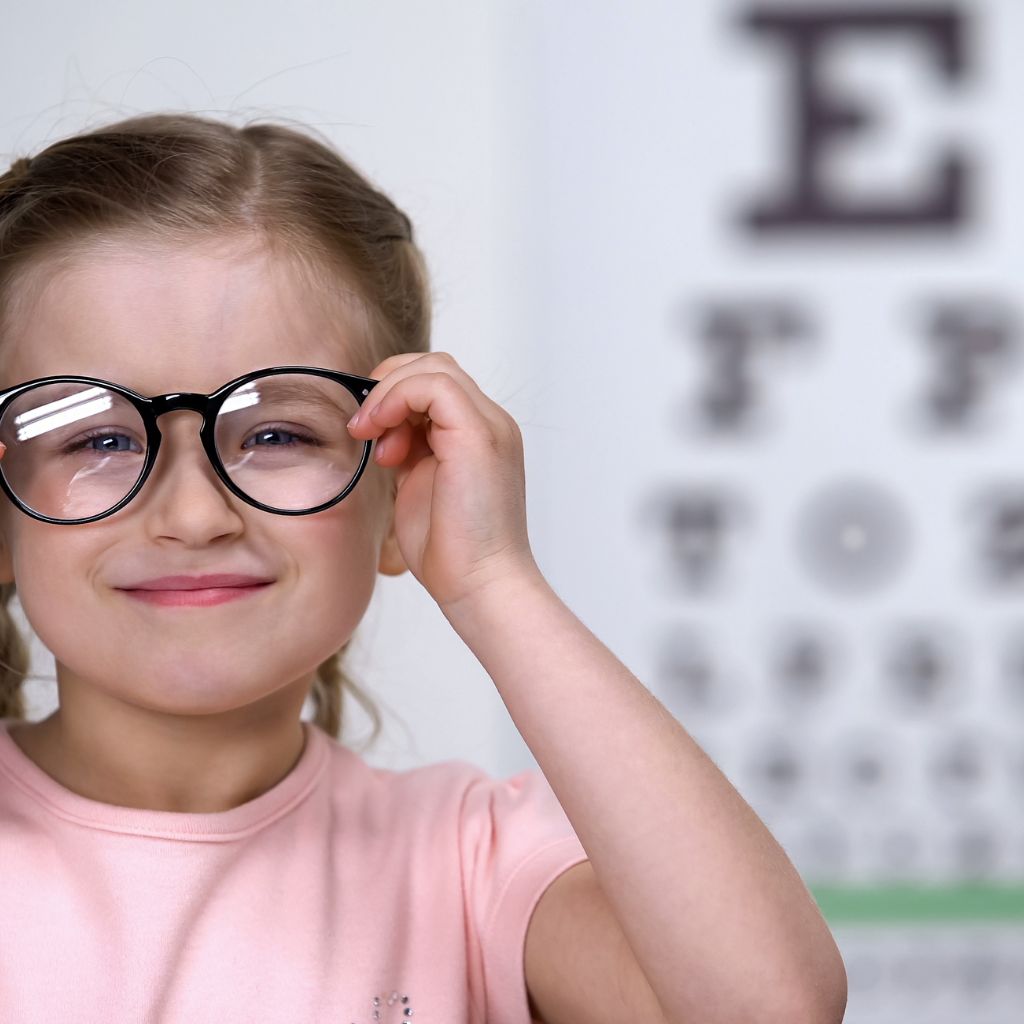
Wearing glasses can correct certain vision problems and help the child regain more comfortable vision.
The optician will then make and fit the eyewear prescribed by the ophthalmologist.
Appropriate treatment can correct the identified vision problem and help the child see clearly and comfortably at both near and far distances.
In conclusion
Several eye conditions, including myopia, hyperopia, astigmatism and other visual disorders, may explain why your child can’t see the board clearly.
In those cases, an appointment with an ophthalmologist will help diagnose the problem accurately and determine the appropriate treatment to protect your child’s vision and eye health.
Nous utilisons des cookies pour vous garantir la meilleure expérience sur notre site web. Si vous continuez à utiliser ce site, nous supposerons que vous en êtes satisfait.