Understanding the risk of glaucoma in myopic patients helps establish appropriate ophthalmological follow-up and prevent irreversible vision loss.
Continue reading to learn how to properly manage your myopia, or the myopia of your loved ones !
The risk of glaucoma in myopic patients: why is vigilance necessary?
The risk of glaucoma in myopic patients is now well established in ophthalmology.
Myopia is not limited to a simple refractive error: it is often associated with structural changes in the eyeball that can weaken the optic nerve.
This vulnerability increases exposure to elevated intraocular pressure, sometimes excessively high, and therefore to a higher risk of chronic glaucoma or acute glaucoma.
What is the risk of glaucoma in myopic patients?
Glaucoma is an ophthalmological condition that can lead to severe visual field damage, including blindness.
There are several types of glaucoma, with the most common being primary open-angle glaucoma and angle-closure glaucoma.
It is essential to understand that myopia, a refractive condition in which distant objects appear blurred, can increase the risk of glaucoma in myopic patients.
One of the main concerns in myopic individuals is ocular hypertension, often associated with elevated intraocular pressure.
This excessive pressure can damage the optic nerve, leading to optic neuropathy.
In myopic patients, the risk of optic nerve deterioration is particularly high, especially when visual acuity is already affected.
This progressive damage may result in vision loss affecting central or peripheral vision and, in some cases, may involve both eyes.
Quels sont les risques de glaucome chez le Myope ?
How can the risk of glaucoma in myopic patients be prevented?
Common symptoms such as headaches, rapid vision loss, sudden visual disturbances, or halos around lights should raise concern about a possible visual problem.
Elevated intraocular pressure can remain asymptomatic, which reinforces the need for regular monitoring by an ophthalmologist.
Why is the risk of glaucoma in myopic patients higher?
Myopic individuals often have a longer axial eye length, which may lead to degeneration of ocular structures, including the retina and the lens.
Myopia may also be associated with vascular disorders that increase the risk of retinal vessel obstruction.
All these factors combined can contribute to a reduced visual field, making myopic patients more vulnerable to overall visual impairment.
In patients with high myopia, damage to optic nerve fibres may initially go unnoticed, highlighting the importance of early detection to slow disease progression.
What factors increase the risk of glaucoma in myopic patients?
It is also important to consider risk factors that may worsen the condition.
A family history of glaucoma, as well as conditions such as arterial hypertension, increase the incidence of this disorder in myopic individuals.
How can the risk of glaucoma in myopic patients be reduced?
Early detection is essential, as late diagnosis can lead to severe complications.
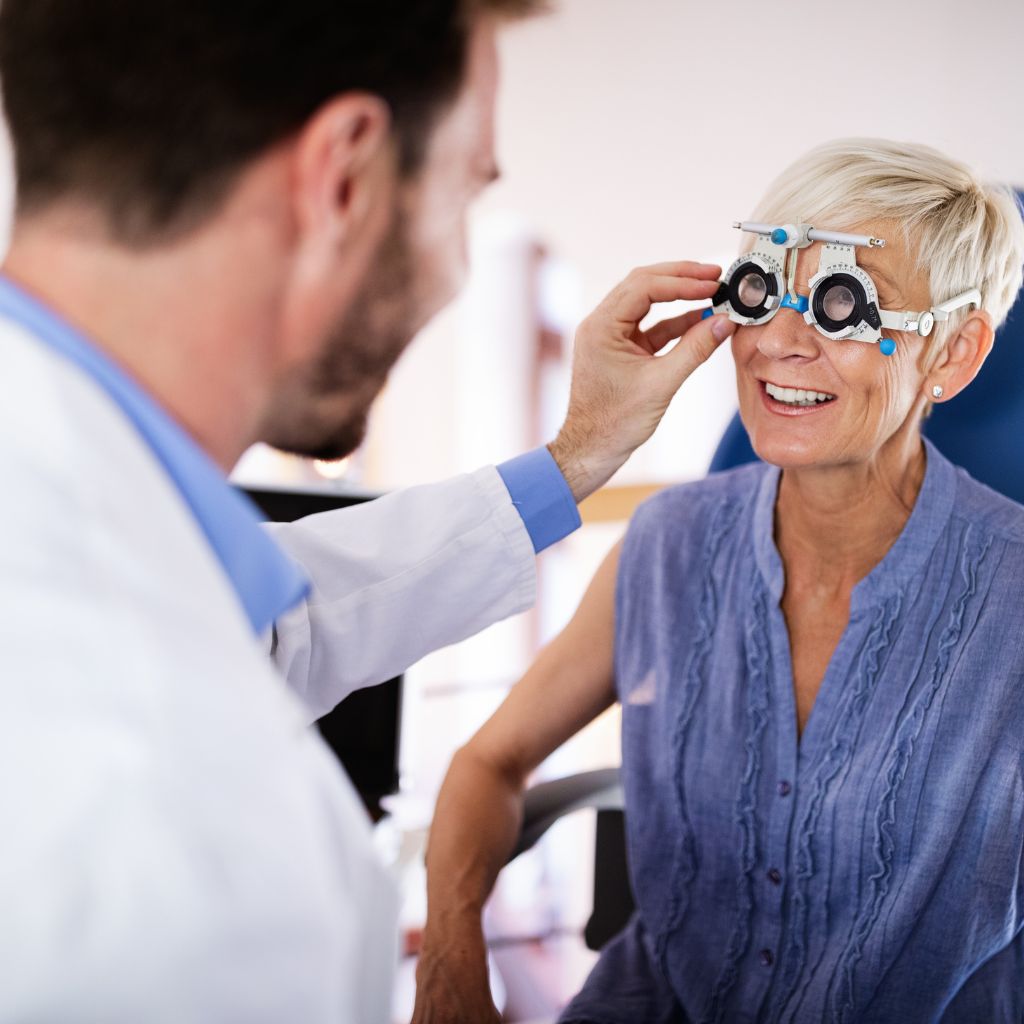
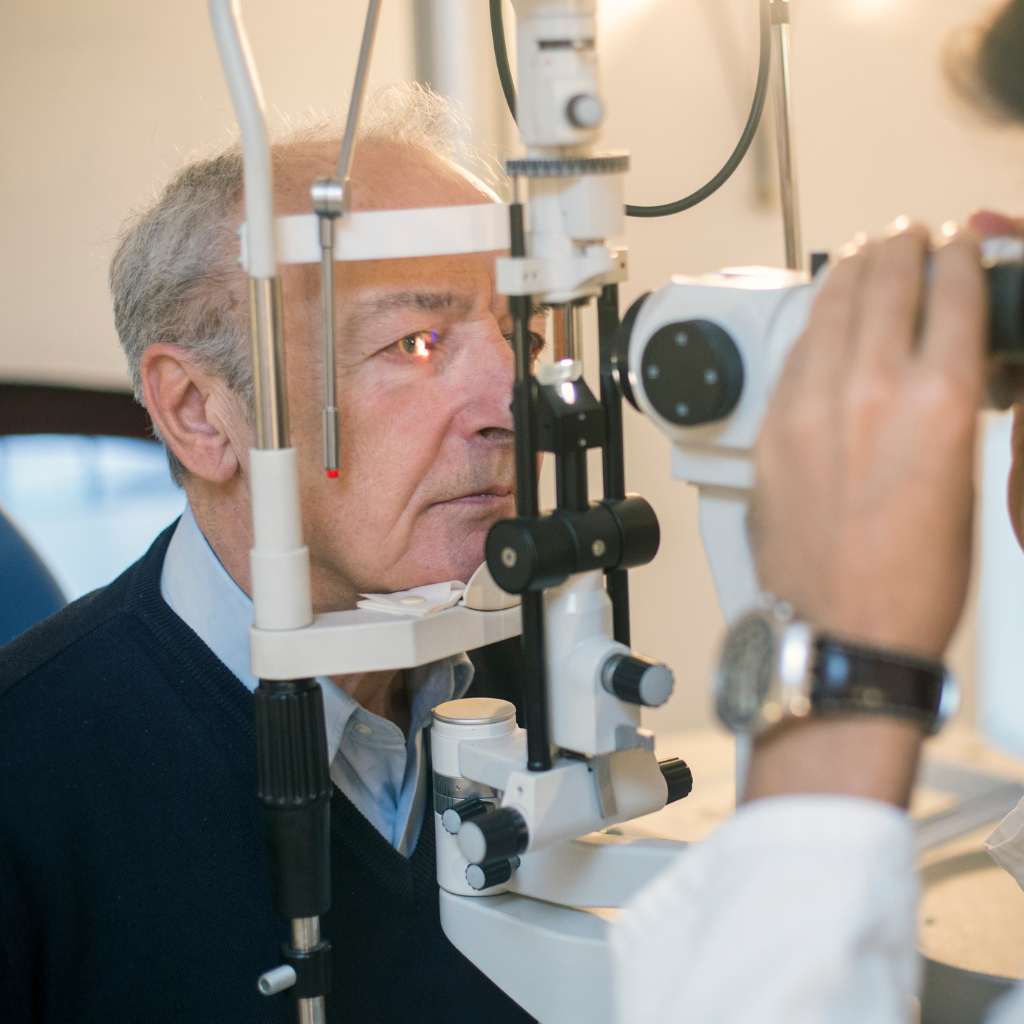
Ophthalmologists recommend regular eye examinations, including a fundus examination to assess the optic nerve and retina, as well as measurement of intraocular pressure.
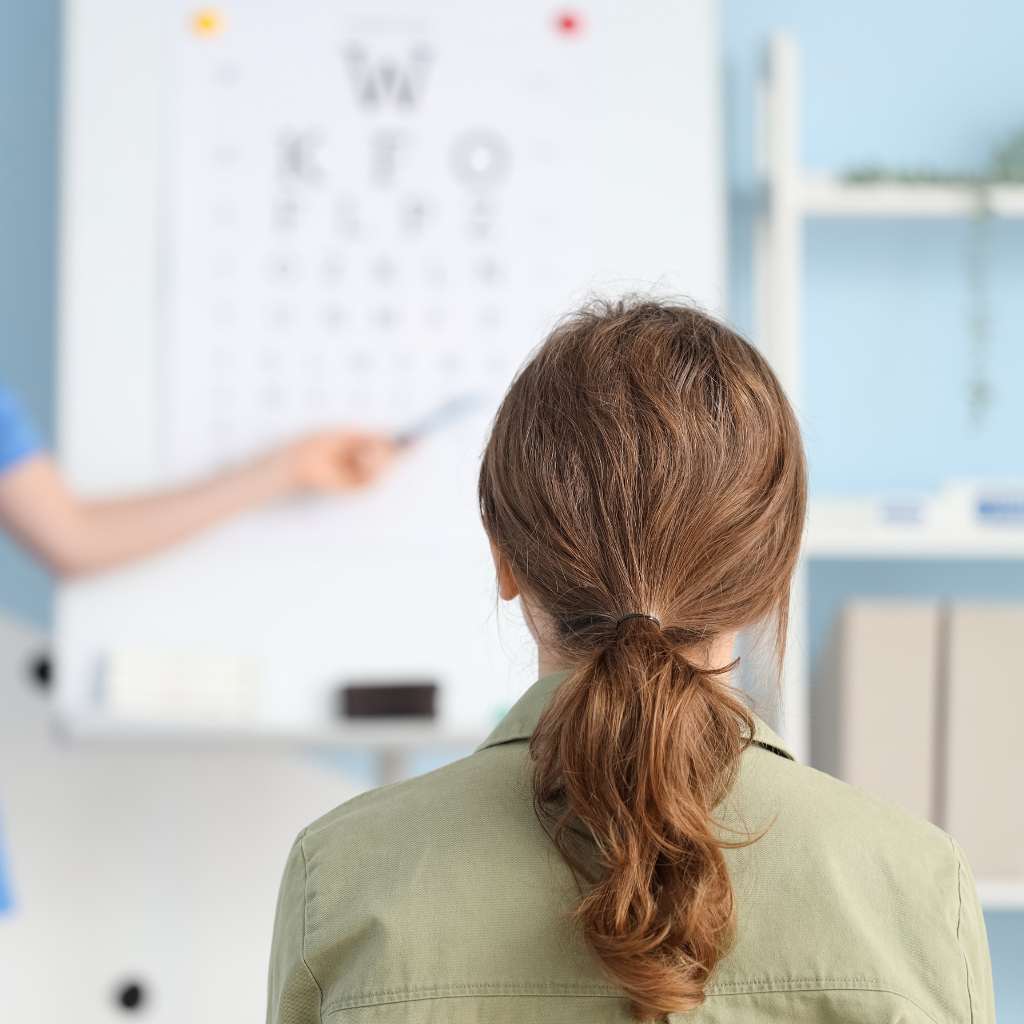
In ophthalmology, visual field testing also helps detect early changes.
When glaucoma is diagnosed, treatment may include hypotensive eye drops prescribed as first-line therapy to reduce intraocular pressure.
These treatments are tailored to each patient, although some side effects may occur.
In more advanced cases, surgery may be required, including laser procedures or the implantation of devices to improve aqueous humour drainage.
These procedures are generally performed under local anaesthesia.
Management primarily aims to slow the progression of chronic glaucoma or to treat acute glaucoma as an emergency.
In conclusion
Myopic patients are particularly exposed to the risk of glaucoma due to structural and vascular abnormalities of the eye.
Close monitoring by an ophthalmologist, along with appropriate medical or surgical treatment when necessary, is essential to prevent serious complications, including vision loss.
Understanding the risk of glaucoma in myopic patients, adopting regular ophthalmological follow-up, and intervening early help limit optic nerve damage and preserve long-term quality of life.
Nous utilisons des cookies pour vous garantir la meilleure expérience sur notre site web. Si vous continuez à utiliser ce site, nous supposerons que vous en êtes satisfait.