Outdoors, firecrackers and fireworks pose a major risk to the eyeball: a projection can cause serious eye injury.
Wearing protective glasses also helps reduce risks in the kitchen!
In case of pain, reduced vision, or inflammation, it is essential to consult an ophthalmologist promptly for a full eye examination.
How to protect your eyes: our COP9 tips
Blinking deliberately helps moisturize the ocular surface and reduces the sensation of eye irritation.
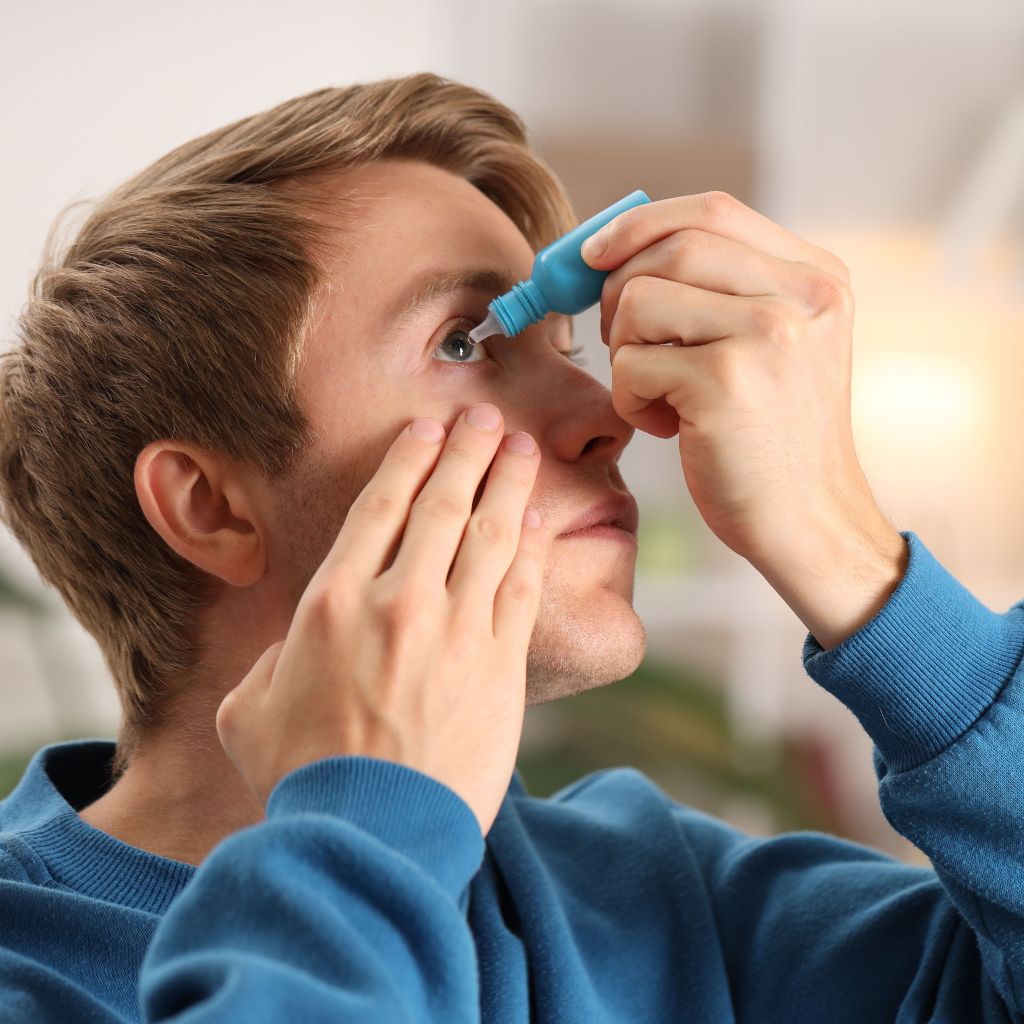
People suffering from dryness or dry eye syndrome can use eye drops or lubricating eye solutions to maintain stable hydration.
An ophthalmologist may also recommend eye drops containing vitamin A, which are useful for supporting the ocular surface.
How to protect your eyes during the festive season from screens?
Flash photography and continuous smartphone screen use expose the eyes to intense light, which can cause irritation, watery eyes, or redness.
Reduced tear film, tear evaporation, and prolonged screen exposure can strain the eyes and worsen pre-existing dry eye.
Staring at a screen for too long causes eye fatigue and may lead to dry eye syndrome, especially for contact lens wearers.
The 20-20-20 rule remains essential: every 20 minutes, look at something 20 meters away for 20 seconds. This reduces accommodative strain and helps limit inflammation or eye irritation.
For additional relief, eye rinsing with saline solution or applying a warm compress can help improve tear fluidity and soothe the eye area.
How to protect your eyes during the festive season with festive makeup?
Heavy makeup and glitter are very common at the end of the year, but they can irritate the eyes or worsen ocular sensitivity.
Pigments can migrate into the tear film, causing tearing, red eyes, or a gritty sensation.
Choose hypoallergenic products, avoid applying glitter too close to the eyelid margin, and always remove makeup thoroughly.
Gently clean your eyes with a suitable makeup remover, then perform an appropriate eye rinse. This helps prevent conjunctivitis, inflammation, or eye irritation.
A moisturizing eye drop can provide quick relief in the evening if the eyelids are irritated or if the ocular surface has been stressed.
How to protect your eyes during the festive season in case of fatigue, colds, or seasonal allergies?
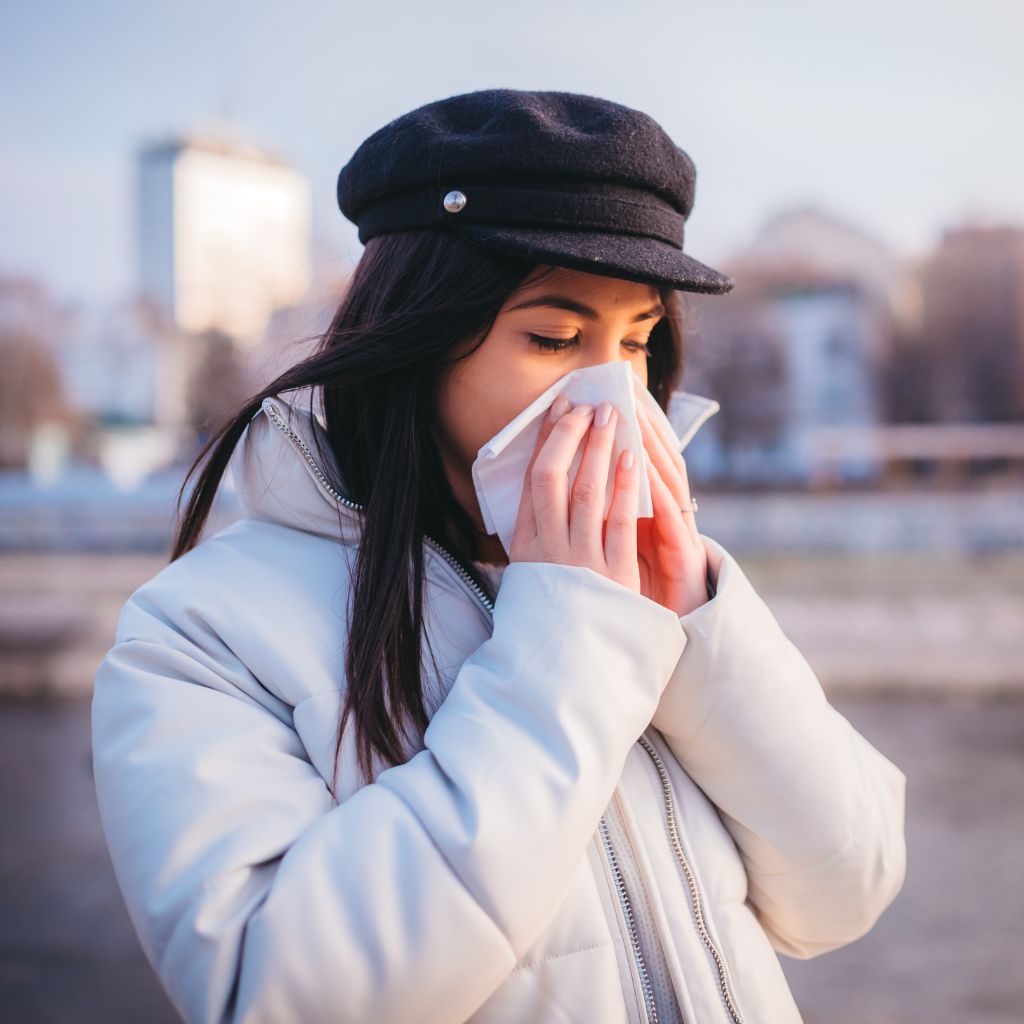
At the end of the year, colds, rhinitis, or allergies can cause tearing, red eyes, itching, eye irritation, or allergic conjunctivitis.
Symptoms such as dry eyes or burning sensations may worsen with indoor heating.
Humidifying the air with a humidifier reduces tear evaporation.
Antihistamines may be helpful in cases of allergies, while moisturizing eye drops or suitable artificial tears provide quick relief.
Warm compresses applied around the eyes help soothe inflammation.
Contact lens wearers should favor wearing glasses during colds or dry eye episodes to avoid worsening irritation.
In conclusion
The festive season can easily irritate the eyes, causing dryness, burning, photophobia, or tearing.
By adopting simple habits such as taking breaks, blinking regularly, humidifying the air, using eye drops or lubricating solutions, cleaning the eyes, or protecting the ocular surface, you help preserve visual performance, comfort, and well-being.
If symptoms persist, seeking ophthalmic advice from an ophthalmologist is always recommended.
Nous utilisons des cookies pour vous garantir la meilleure expérience sur notre site web. Si vous continuez à utiliser ce site, nous supposerons que vous en êtes satisfait.