
Eye health is essential for our daily well-being, especially in a world where we spend more and more time in front of screens, whether for work or leisure.
Ophthalmic disorders linked to excessive screen use, lack of sleep, or irritating environmental conditions are becoming increasingly common.
As a result, many people complain of dry eye symptoms, red eyes, eye irritation, a gritty sensation, or eye strain.
Here is how to tell the difference between dry eye and eye strain!
The difference between dry eye and eye strain becomes clearer when you carefully analyze the situations that trigger the symptoms.
If you mainly feel dry eye symptoms, such as stinging or irritated eyes, you are likely suffering from dry eye.
But if you mostly experience headaches or a sense of visual fatigue, it may be eye strain.
Redness, itching, gritty eye sensations, or burning sensations are more often associated with dry eye.
Pain, unstable vision, and difficulty concentrating are more indicative of eye strain.
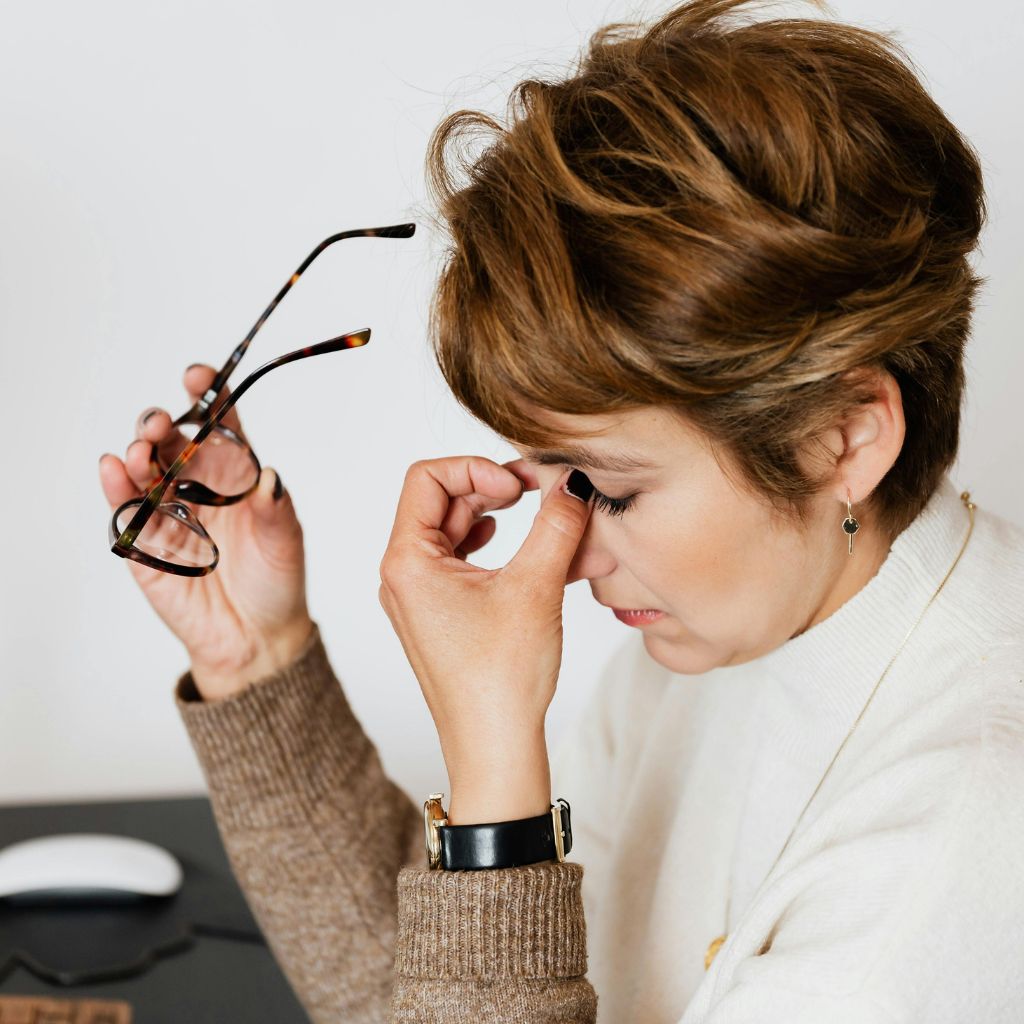
Spending many hours in front of a computer without breaks increases your chances of experiencing eye strain.
Dry eye, however, can occur even without heavy screen use, particularly in older adults due to age-related changes in tear glands.
Excessive use of heating or air conditioning, or overly bright light, can worsen dry eye.
In cases of dry eye symptoms, artificial tears or cool compresses can provide relief.
For sensitive eyes, humidifying the air or reducing environmental irritants can also help to reduce the symptoms of dry eye.
If symptoms of dry eye or eye strain persist, it is recommended to consult an ophthalmologist.
the ophthalmologist will be able to :
evaluate your visual acuity ;
check the health of your cornea ;
analyze the stability of your tear film (aqueous and lipid layers) ;
determine whether ophthalmic treatment is needed ;
prescribe appropriate eye drops ;
recommend nutritional supplements rich in omega-3 and vitamin A.
A consultation also helps rule out inflammation or allergy.
One of the first steps is to assess the difference between dry eye and eye strain with an ophthalmologist to avoid inappropriate treatments.
Understanding the difference between dry eye and eye strain is crucial to applying the right remedies, avoiding worsening eye strain, and consulting an ophthalmologist when needed.
Poor management can lead to ophthalmic complications, including inflammation of the palpebral surface, disruption of the lipid layer of the tear film, and persistent ocular discomfort or pain.
Dry eye is often caused by insufficient secretion of the tear film, which is necessary to keep the ocular surface properly hydrated.
This phenomenon may be worsened by allergic factors, irritating environments, long periods spent in front of a computer, or poor tear-film quality due to, for example, a deficiency in the lipid layer.

Typical dry eye symptoms include:
Ocular dryness.
A constant feeling that your eyes are dry, sometimes accompanied by difficulty blinking. Eye dryness can become particularly painful when the ocular surface lacks hydration.
Irritation and itching.
The eyes may become red and irritated, sometimes with itching, burning sensations, or a feeling of eye irritation.
Sensitivity to light.
Increased light sensitivity, also known as photophobia, particularly in response to blue light emitted by computer screens.
Blurred vision.
This may occur when the tear film becomes unstable across the cornea.
Watering.
Paradoxically, dry eye can trigger excessive tear production.
Burning sensations.
Some people describe persistent tingling or burning, similar to diffuse ocular discomfort.
By observing your symptoms daily, you can gradually understand the difference between dry eye and eye strain.
In some cases, the use of ophthalmic drops, artificial tears, lubricants, or saline solution can provide immediate relief.
Additional treatments such as ophthalmic ointment may also be prescribed to soothe chronic irritation.
But before choosing a treatment, it is important to know the difference between dry eye and eye strain, two conditions often confused.
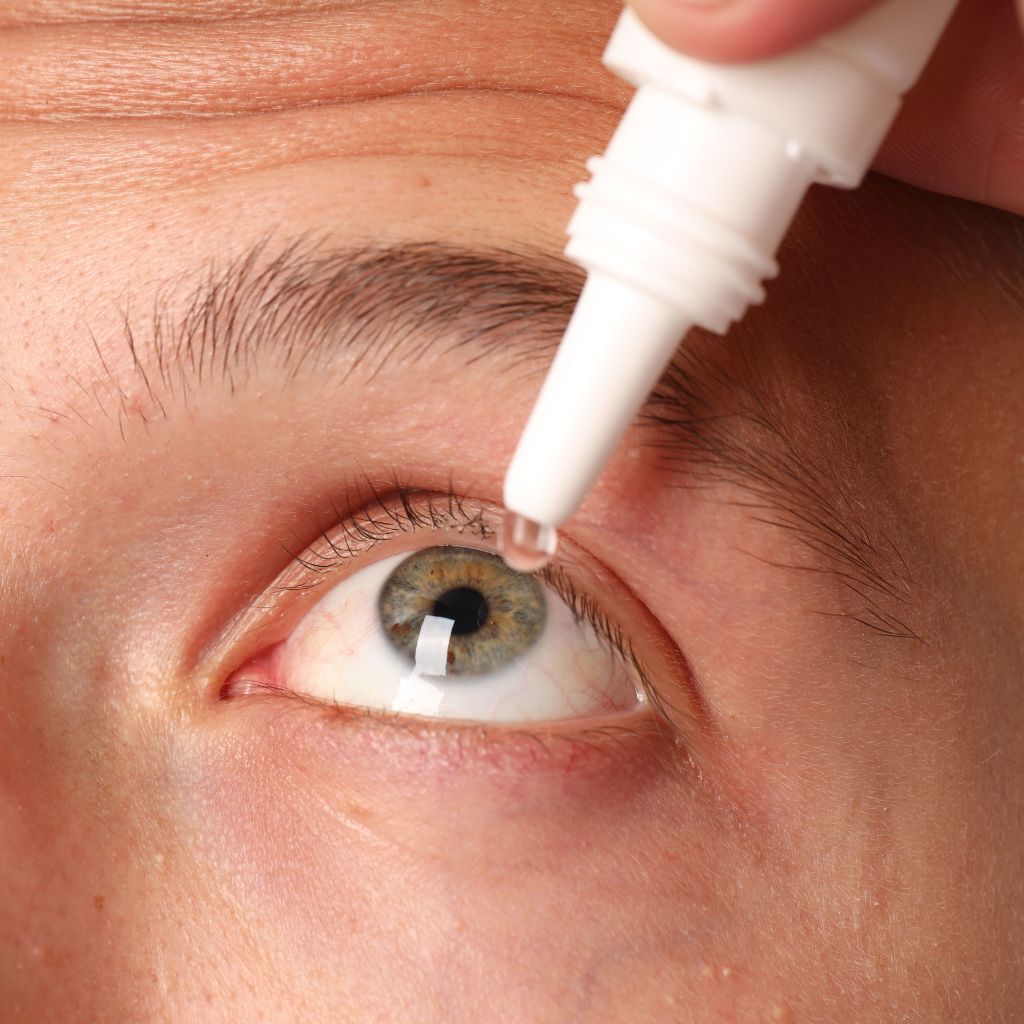
Before attributing your red eyes to a screen issue, it is important to distinguish the difference between dry eye and eye strain, as the causes may differ.
To reduce eye fatigue, it is essential to take regular breaks following the 20-20-20 rule.
You can also practice eye yoga or close your eyes and gently cover them with your palms for a few seconds to rest them.
Wearing appropriate glasses, maintaining proper lighting, avoiding rubbing your eyes, and staying hydrated can all help reduce both dry eye and eye strain.
Many patients are still unaware of the difference between dry eye and eye strain, even though the signs do not stem from the same causes.
Eye strain often results from prolonged screen use without breaks, or from an unsuitable work environment (lighting that is too bright or too dim).

The signs include:
Eye fatigue.
A feeling of heaviness and tiredness in the eyes, sometimes accompanied by discomfort around the eye area.
A sensation that your eyes have “worked too hard” or become painful quickly may indicate excessive strain on the eye muscles.
Headaches.
Tension or discomfort often appears after long hours spent working on a computer.
Reduced distance vision. Difficulty seeing clearly at a distance may occur after a long workday, due to the effort required from the eye muscles.
Blurred or bothersome vision due to accumulated fatigue.
A slight pulling sensation.
A need to close or rub the eyes.
These factors help clarify the difference between dry eye and eye strain.
When you are tired, you may blink less frequently, which contributes to drying of the ocular surface.
Eye strain may also appear when you are not wearing the correct glasses for your vision condition (myopia, hyperopia, astigmatism), forcing your eyes to work harder to accommodate.

The difference between dry eye and eye strain relies on a precise analysis of symptoms and lifestyle habits. Listening to your body and adopting methods such as regular hydration with eye drops or eye rest helps preserve your eye health and prevent complications such as conjunctivitis or inflammation.
If symptoms of dry eye or eye strain persist, do not hesitate to consult an orthoptist and/or an ophthalmologist for a comprehensive examination and appropriate treatment.