Preventing retinal diseases, such as age-related macular degeneration (AMD), diabetic retinopathy and retinal detachment, is essential for maintaining good visual acuity and preventing serious disorders that can lead to blindness.
Here are some key strategies that can help prevent certain retinal diseases and reduce the risk of serious eye complications.
Preventing retinal diseases: which symptoms require a consultation?
It is essential to be aware of the symptoms that may indicate retinal diseases, such as disturbances in the visual field, central vision loss or certain abnormalities in color vision.
Some eye diseases can progress silently, while others cause a progressive loss of vision.
A change in the field of vision, reduced visual acuity or the appearance of new visual disturbances should prompt a consultation as soon as possible.
It is also important not to confuse the different structures of the eye: the cornea, the retina and the optic nerve can be affected by different eye problems.
For example, ocular hypertension mainly concerns pressure inside the eye and is a risk factor for glaucoma, rather than a direct cause of retinal diseases.
Therefore, preventing retinal diseases involves appropriate monitoring based on individual risk factors.
When risk factors or suggestive symptoms are present, a healthcare professional can assess the risk of detachment and look for signs of eye diseases.
Preventing retinal diseases through regular ophthalmological follow-up
Regular ophthalmological follow-up is crucial for detecting retinal diseases at an early stage.
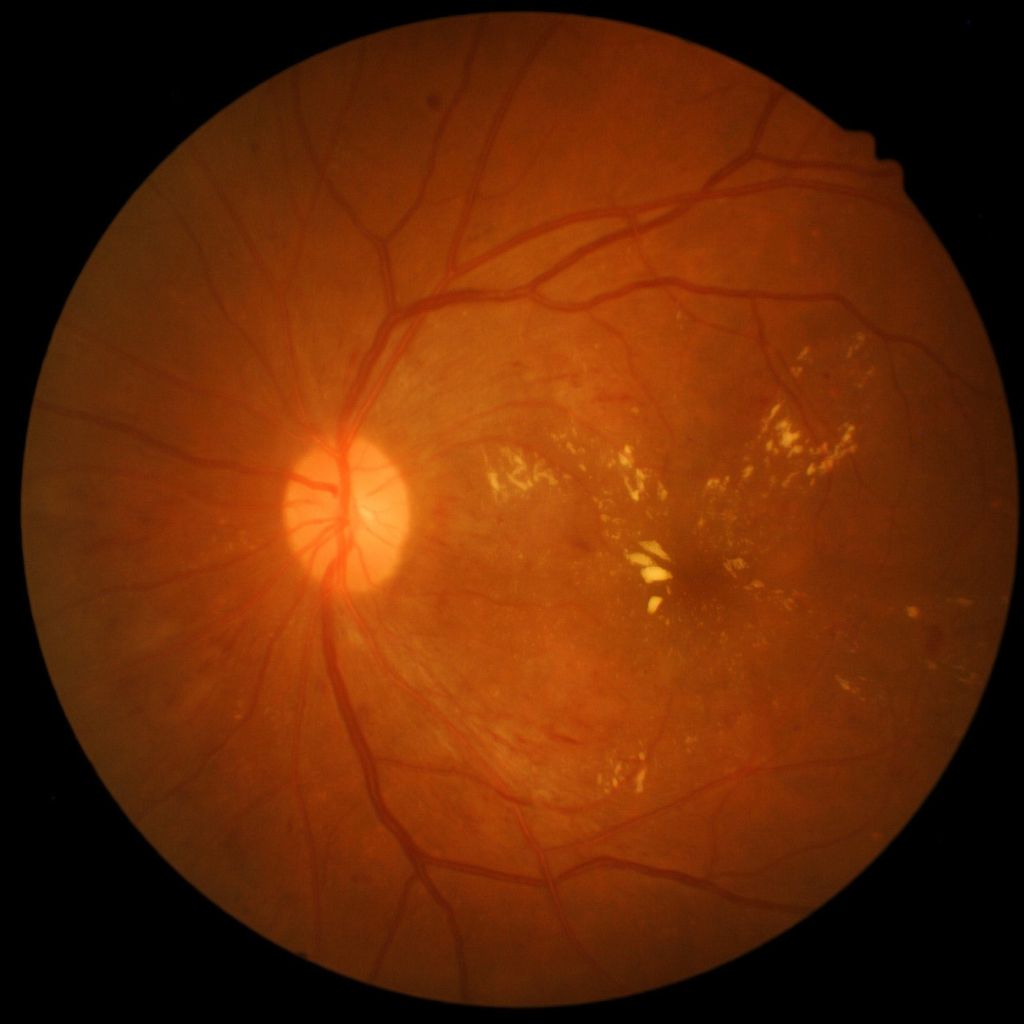
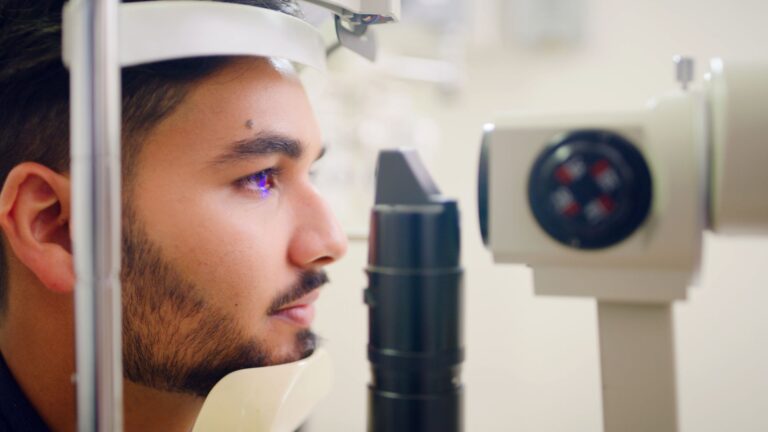
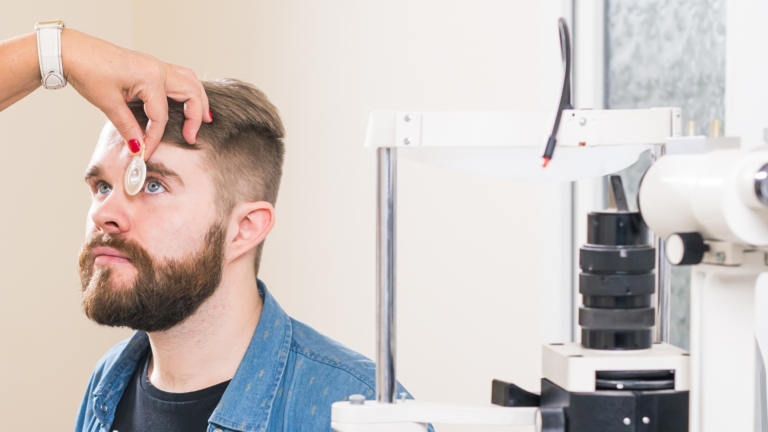
An ophthalmologist can perform fundus examinations to detect retinal abnormalitiesearly.
People with hypertension or diabetes should pay particular attention to the health of their retina through appropriate and regular screening.
Preventing retinal diseases: which tests can detect retinal conditions?
In ophthalmology, several examinations can be used to detect retinal diseases before significant symptoms appear.
A fundus examination allows the ophthalmologist to examine the eyes and observe the retina, blood vessels and optic nerve in particular.
Using techniques such as fluoresceinangiography, it is possible to visualize the condition of the retinal blood vessels and diagnose certain vascular diseases before they cause significant vision loss.
An eye examination therefore makes it possible to assess overall eye health.
When necessary, retinal tomography can complement the examination. This examination provides a detailed view of the different layers of the retina and can detect possible retinal lesions.
As part of retinopathy screening, particularly in people with diabetes, these examinations contribute to monitoring and preventing eye complications.
Preventing retinal diseases by protecting your eyes from the sun
Ultraviolet (UV) rays can damage certain eye structures, particularly the lens.
Wearing sunglasses with adequate UV protection can reduce the risk of cataracts and protect the eyes from excessive exposure to ultraviolet radiation.
Limiting direct exposure to very intense light can also help preserve visual comfort, although screens are not considered an established cause of retinal diseases.
Preventing retinal diseases by controlling systemic diseases
Conditions such as high blood pressure and diabetes can have significant effects on the retina.
Diabetic retinopathy is one of the leading causes of blindness in adults, and strictglycemic control can slow the progression of the disease.
It is therefore crucial to monitor blood pressure regularly and maintain stable blood sugar levels through a healthy lifestyle and, when necessary, medical treatment.
Preventing retinal diseases by knowing your risk factors
A family history of eye conditions, such as certain forms ofpigmentary retinal degeneration, should encourage appropriate check-ups with an ophthalmologist.
Being aware of risk factors makes it possible to take a proactive approach to detecting retinal diseases and to request additional examinations, such as retinal tomography, when suspicious symptoms or visual impairment occur.
Greater awareness can lead to early consultations and appropriate care. Some situations require surgical procedures, such as a vitrectomy to treat certain retinal hemorrhages or retinal detachment.
Preventing retinal diseases through a healthy lifestyle
A balanced diet rich in antioxidants can help protect the retina.
Foods rich in vitamins C and E, as well as those containing carotenoids such as lutein and zeaxanthin, contribute to eye health.
In addition, reducing tobacco and alcohol consumption and maintaining a healthy weight can also help preserve eye health and limit certain factors associated with eye aging.
In conclusion
Preventing retinal diseases relies on a combination of regular screening, a healthy lifestyle, effective management of underlying conditions, awareness and control of risk factors. By implementing these measures, everyone can help preserve their visual acuity and reduce the risk of developing severe eye disorders, such as visual impairment or blindness.
Ophthalmologists and orthoptists play a key role in this process, with possible surgical procedures when necessary and appropriate treatments.
Nous utilisons des cookies pour vous garantir la meilleure expérience sur notre site web. Si vous continuez à utiliser ce site, nous supposerons que vous en êtes satisfait.