Why is a back-to-school orthoptic assessment important for your child?
Why is a back-to-school orthoptic assessment important for your child?
A back-to-school orthoptic assessment provides an opportunity to check your child’s vision and identify any potential visual difficulties.
But what exactly does this back-to-school orthoptic assessment involve, and why can it be useful before your child returns to school?
Find out everything you need to know about back-to-school orthoptic assessments in our article.
Why should children have a back-to-school orthoptic assessment?
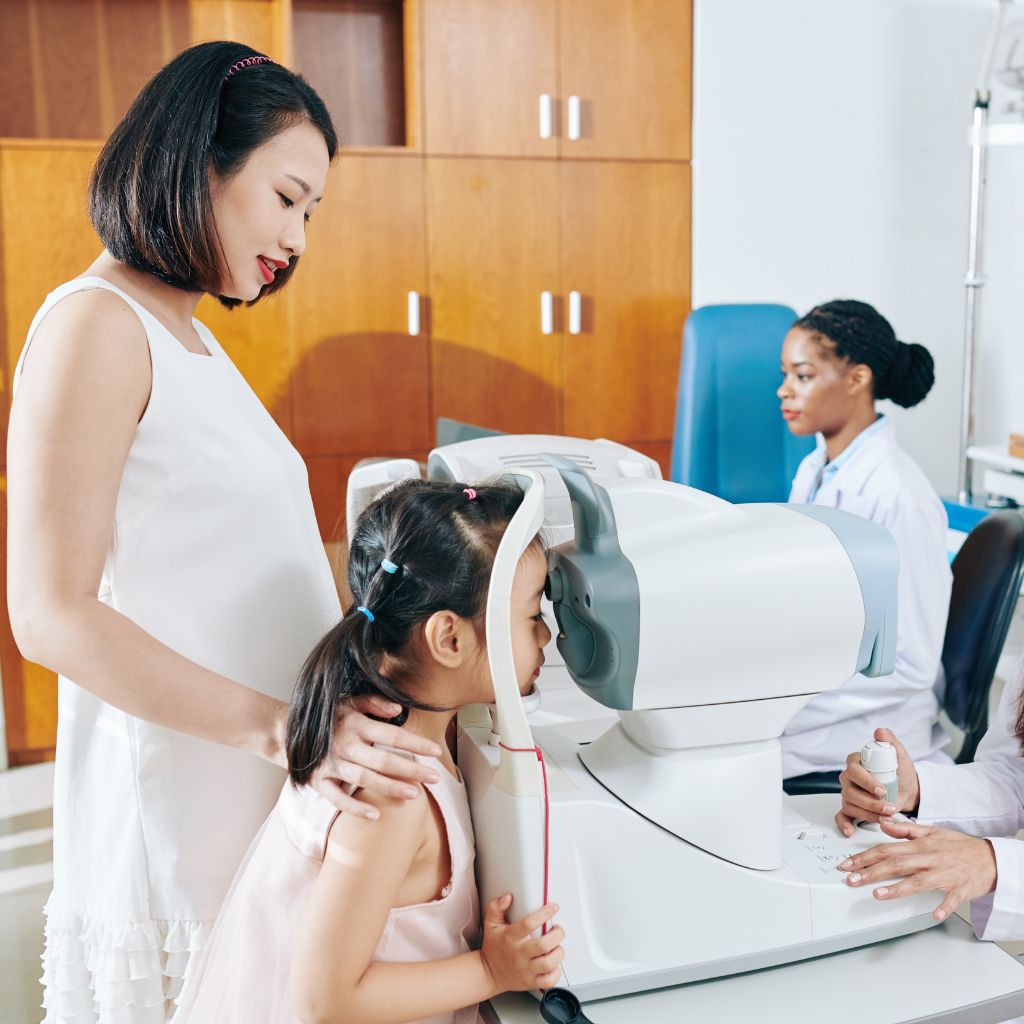
A back-to-school orthoptic assessment can be particularly useful when a child experiences visual difficulties or shows signs that could interfere with learning. In particular, it helps assess how the eyes function and how well they work together.
An orthoptic assessment is a comprehensive, specialist examination performed by an orthoptist, a healthcare professional trained to assess and treat vision disorders and ocular abnormalities.
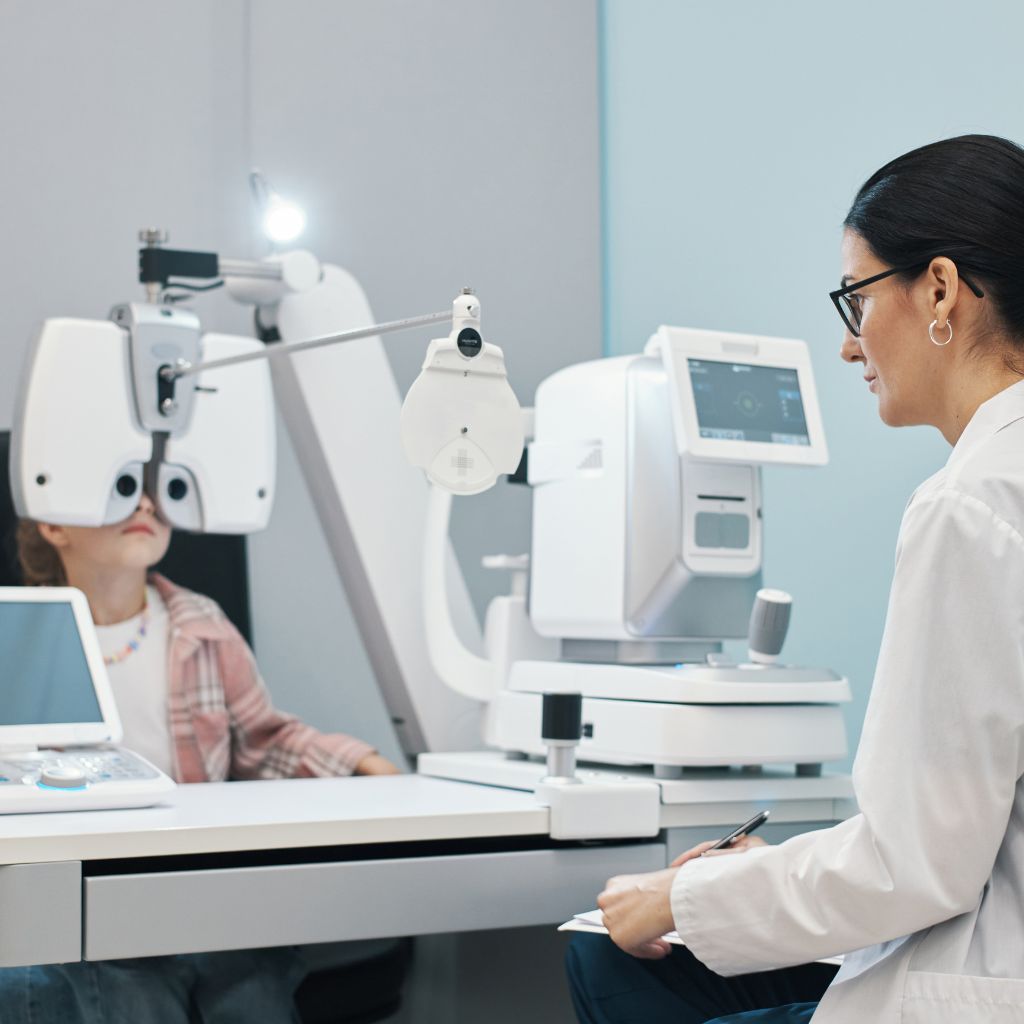
During this orthoptic assessment, several evaluations are performed. First, the orthoptist assesses visual acuity at both near and distance using standardised tests.
Visual acuity testing can help identify potential visual abnormalities.
A back-to-school orthoptic assessment may also indicate the need for a further examination by an ophthalmologist if vision correction or more in-depth investigation is required.
What can a back-to-school orthoptic assessment detect?
The orthoptist checks that eye movements are functioning properly, including saccadesand convergence.
The assessment also includes an evaluation of the visual field, which is the area that can be seen when both eyes are open.
This helps assess certain visual functions and, where necessary, determine whether an ophthalmological assessment is required.
The child’s medical history is also taken into account, as certain conditions or previous medical issues may warrant additional examinations by an ophthalmologist.
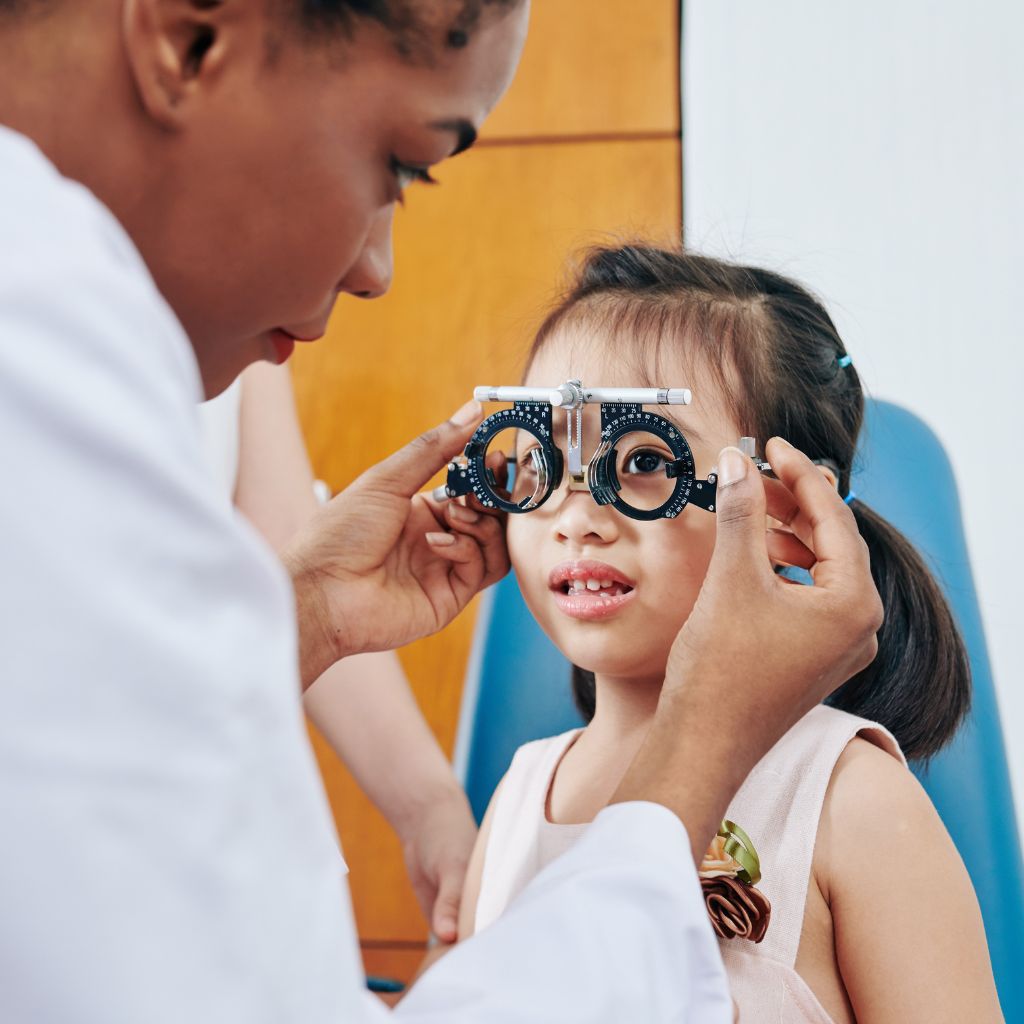
During the back-to-school orthoptic assessment, additional examinations such as refraction testing may be performed to assess how the eyes focus, which is essential when prescribing appropriate vision correction, such as contact lenses or glasses.
Which eye conditions can be identified in children?
The orthoptist also examines possible ocular misalignment or occlusion that could affect vision in both eyes.
Other aspects assessed include colour vision, visual fatigue, and accommodation disorders.
This examination is important for identifying various eye and vision problems, including strabismus, amblyopia, binocular vision disorders, and certain visual impairments associated with eye conditions.
This assessment can detect abnormalities such as nystagmus or convergence insufficiency, which may cause symptoms including eye strain, diplopia (double vision), or headaches.
A back-to-school orthoptic assessment does not therefore necessarily replace an ophthalmological examination.
Depending on the results, the child may be referred to an eye specialist for a more comprehensive eye examination.
What is the ophthalmologist’s role after a back-to-school orthoptic assessment?
The results of the back-to-school orthoptic assessment may lead to recommendations for orthoptic rehabilitation sessions if functional visual problems are identified.
These treatments, which often include exercises designed to improve visual function, can significantly improve the quality of life of patients with visual disorders.
In some cases, collaboration with other eye care professionals, such as a contact lens specialist, may be necessary to ensure thorough follow-up and comprehensive care.
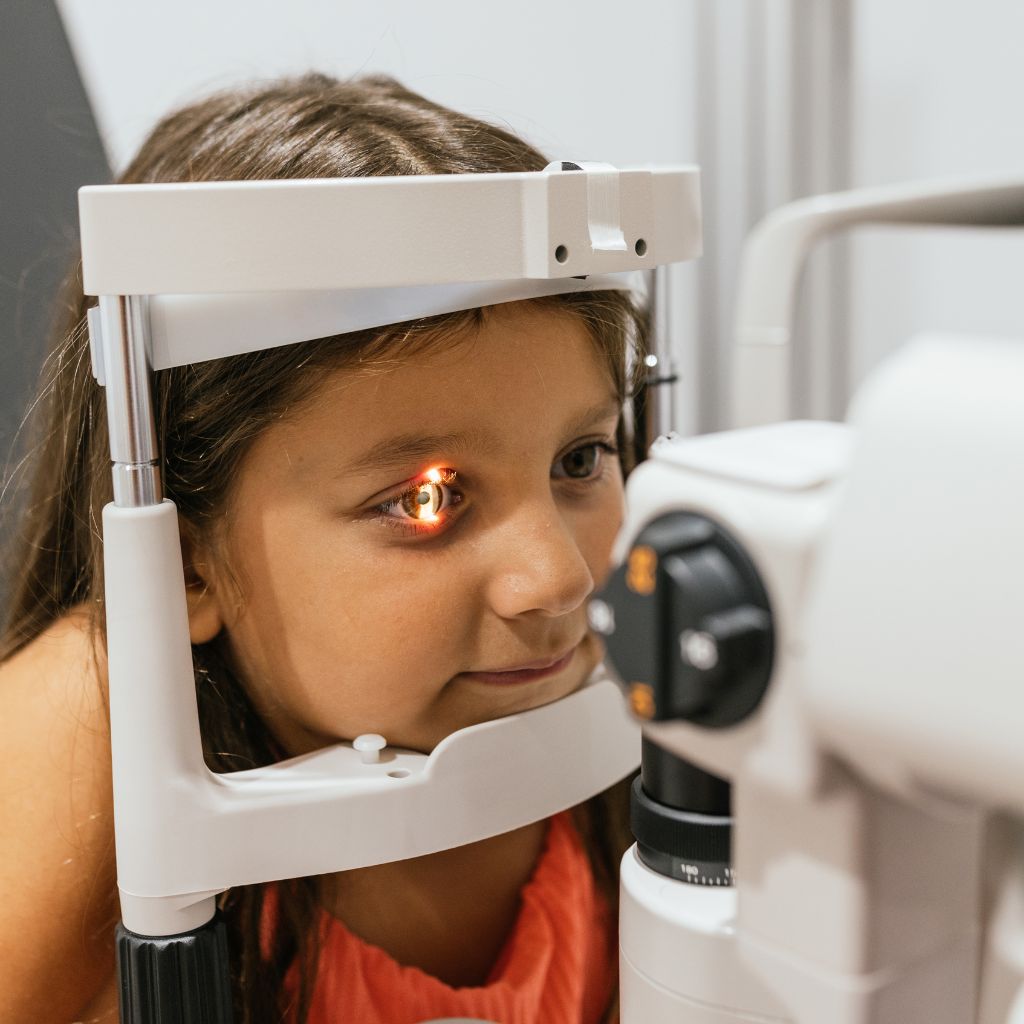
The ophthalmologist can perform an eye examination, supplement the assessment with functional investigations, or look for an underlying eye condition.
Depending on the situation, a fundus examination may also be performed as part of the ophthalmological examination.
The aim is to obtain a comprehensive overview of the child’s eye health and provide appropriate medical care.
Where can you have a back-to-school orthoptic assessment?
The back-to-school orthoptic assessment can be performed by an orthoptist, particularly when coordination difficulties or problems with visual function are suspected.
At a facility equipped with the appropriate diagnostic technology, the ophthalmologist can also supplement the assessment with various examinations depending on the child’s needs.
The orthoptist may also issue prescriptions for optical aids or refer patients to an ophthalmologist if more invasive intervention is recommended.
Why have a back-to-school orthoptic assessment before school starts?
A back-to-school orthoptic assessment can therefore provide a better understanding of certain visual difficulties that may affect a child’s everyday activities or schoolwork.
Comfortable vision depends in particular on good eye coordination, appropriate visual acuity, and the ability to use near and distance vision effectively.
If you have any concerns about your child’s vision, consulting an ophthalmologist provides an opportunity to obtain a medical opinion and determine whether further examinations or medical care are required.
In conclusion
A back-to-school orthoptic assessment is an important tool for detecting and rehabilitating vision disorders, helping ensure that each patient receives appropriate follow-up care, whether in an ophthalmology practice, hospital, or medical centre.
For children experiencing visual dysfunction or persistent visual fatigue, it is advisable to arrange an orthoptic assessment to obtain an accurate evaluation and determine the most appropriate treatment options.
This is a helpful article about orthoptic assessments and why checking children’s vision before school can be important.
I liked how it connects eye health with children’s learning and everyday activities.
For families in Mancherial, Kiran Eye Care offers Pediatric Eye Care, Vision Testing, and Children’s Eye Treatment.
Nous utilisons des cookies pour vous garantir la meilleure expérience sur notre site web. Si vous continuez à utiliser ce site, nous supposerons que vous en êtes satisfait.



This is a helpful article about orthoptic assessments and why checking children’s vision before school can be important.
I liked how it connects eye health with children’s learning and everyday activities.
For families in Mancherial, Kiran Eye Care offers Pediatric Eye Care, Vision Testing, and Children’s Eye Treatment.