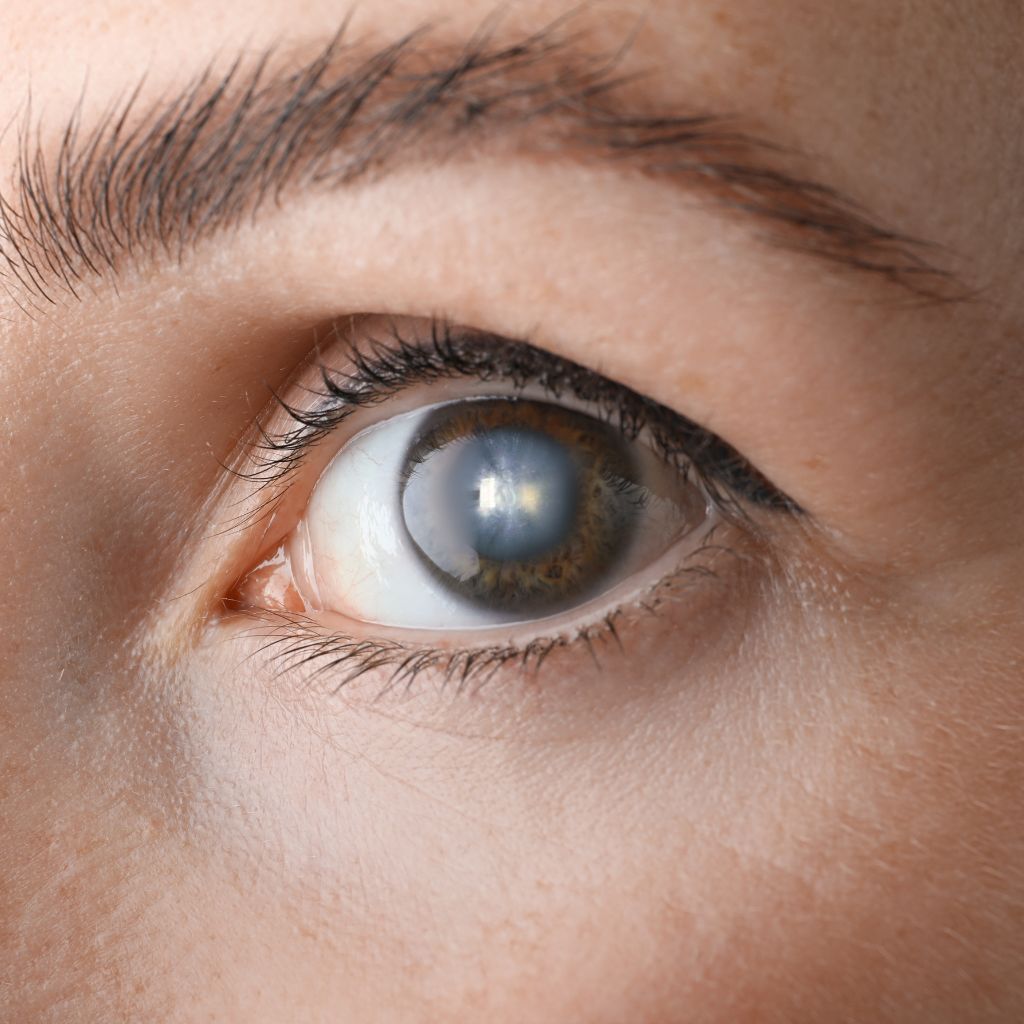
Glaucoma is a silent eye disease that can irreversibly damage the optic nerve and lead to permanent vision loss.
Why is advanced glaucoma so often detected late? Which warning signs should patients be aware of, and how can a delayed diagnosis be prevented?
Learn why early screening is essential.
Why does glaucoma progress for a long time without symptoms?
First of all, chronic glaucoma, particularly open-angle glaucoma, generally progresses without symptoms for a long period of time.
Patients often experience no symptoms at all, as their intraocular pressure gradually increases. This pressure can be measured in millimetres of mercury, or mmHg.
During this phase, nerve fibres within the optic nerve may begin to deteriorate, causing a subtle but progressive reduction in vision, mainly affecting the peripheral visual field.
At this point, advanced-stage glaucoma may already have caused irreversible damage to the optic nerve. Central vision loss generally occurs only at a much later stage.
What are the symptoms of advanced glaucoma?
An increase in intraocular pressure may not immediately cause noticeable symptoms.
Some patients may have ocular hypertension for several years without experiencing any discomfort.
This highlights the importance of consulting an ophthalmologist regularly, even when no symptoms are present, so that any damage to the optic nerve can be detected at an early stage.
This silent progression explains why many patients are diagnosed with advanced-stage glaucoma during a routine eye examination.
Why are some forms of advanced-stage glaucoma more difficult to detect?
Even in the absence of an acute attack, some forms of glaucoma can progress to an advanced-stage glaucoma without being detected immediately.
Angle-closure glaucoma, for example, may cause acute attacks involving severe eye pain and blurred vision. However, its chronic form can develop without any noticeable signs.
In this condition, closure of the drainage angle causes aqueous humour to accumulate in the anterior chamber of the eye. However, these changes are often detected only during regular ophthalmological screening.
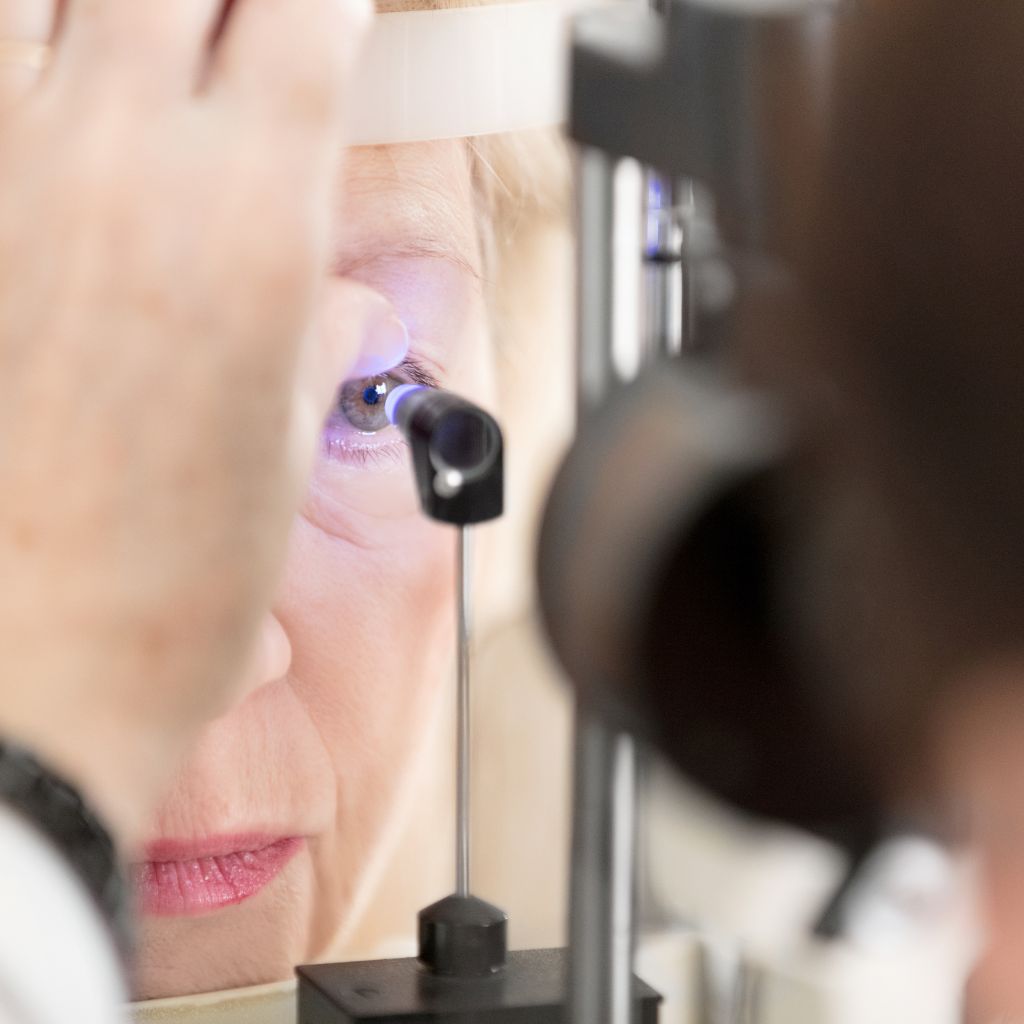
Several ophthalmological examinations can be used to assess the progression of the disease, including intraocular pressure measurement and visual field testing.
These examinations can reveal changes that develop gradually, before the patient becomes aware of them.
How can screening help prevent advanced-stage glaucoma?
The early detection of glaucoma therefore largely depends on regular screening by an ophthalmologist, particularly because several significant risk factors exist. These include a family history of glaucoma, high blood pressure and congenital glaucoma.
The aim is to identify the earliest signs of the disease before advanced-stage glaucoma develops.
Ophthalmologists use techniques to measure intraocular pressure and examine the optic nerve head, particularly the optic disc, for any abnormal cupping that could indicate damage.
For patients with ocular hypertension or other risk factors, regular monitoring makes it possible to assess the progression of the disease and adjust treatment promptly. Blood pressure may also be taken into consideration as part of the patient’s overall assessment.
How is advanced-stage glaucoma managed?
The primary aim of managing advanced-stage glaucoma is to slow the progression of the disease and preserve the patient’s remaining vision.
Advanced-stage glaucoma treatment may include medicated eye drops containing beta-blockers, agonists or aqueous humour suppressants. Laser treatment or filtering surgery may also be used to improve the drainage of aqueous humour.
Regular use of prescribed eye drops is essential for lowering intraocular pressure. However, without regular screening, glaucoma may remain undiagnosed until an advanced stage, when a significant worsening of symptoms occurs.
Medical treatment aims to reduce intraocular pressure and limit the strain placed on the optic nerve. When these treatments are no longer sufficient, surgery may be considered to preserve the patient’s vision and quality of life as effectively as possible.
The adverse effects of certain treatments, particularly corticosteroids, can also complicate the management of the disease.
Patients may therefore be at risk of developing secondary glaucoma if these treatments are not carefully monitored.
Even when advanced-stage glaucoma has been diagnosed, careful and consistent follow-up can help limit the progression of the disease and preserve the patient’s quality of life.
Conclusion
In summary, the silent nature of glaucoma, its gradual progression and the importance of regular ophthalmological screening all help explain why glaucoma is often only detected at an advanced stage.
A good understanding of the risk factors and warning signs can help protect patients from the irreversible consequences of this eye disease.
Nous utilisons des cookies pour vous garantir la meilleure expérience sur notre site web. Si vous continuez à utiliser ce site, nous supposerons que vous en êtes satisfait.