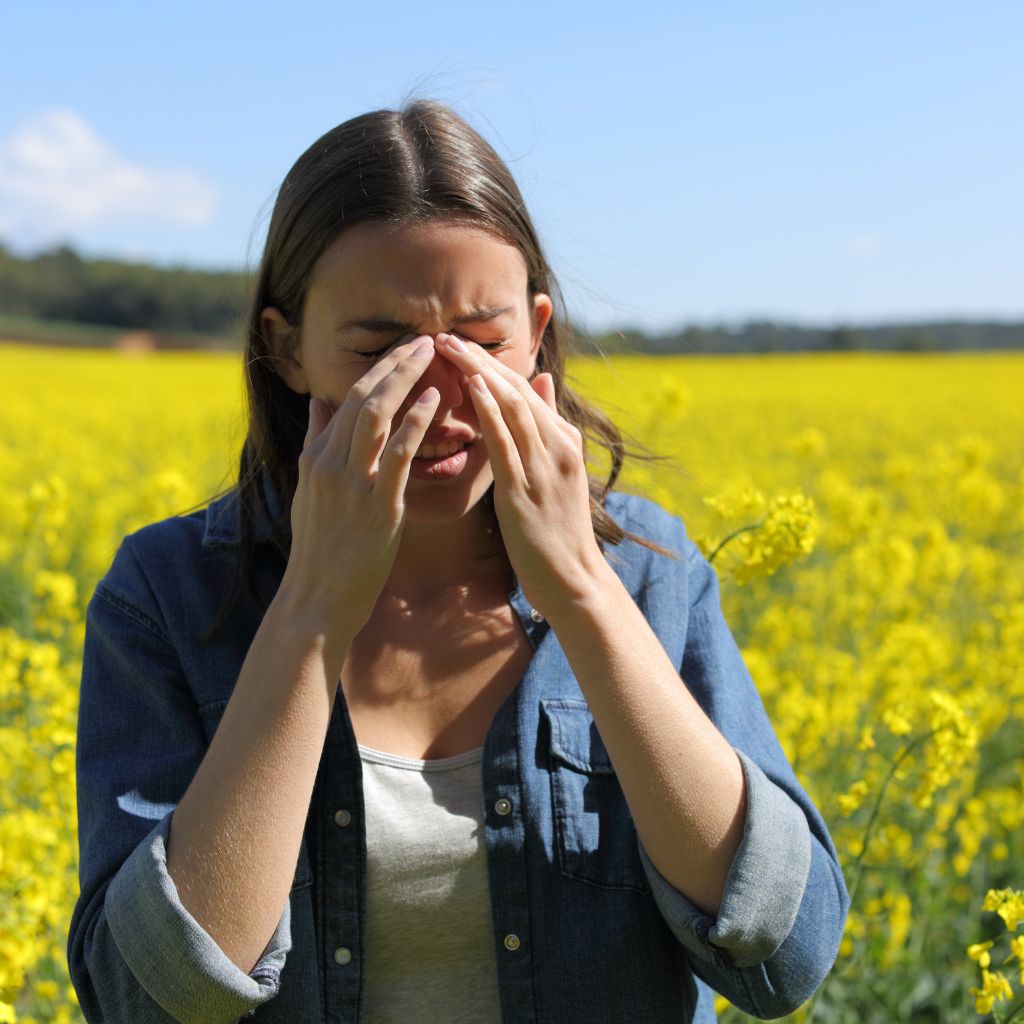
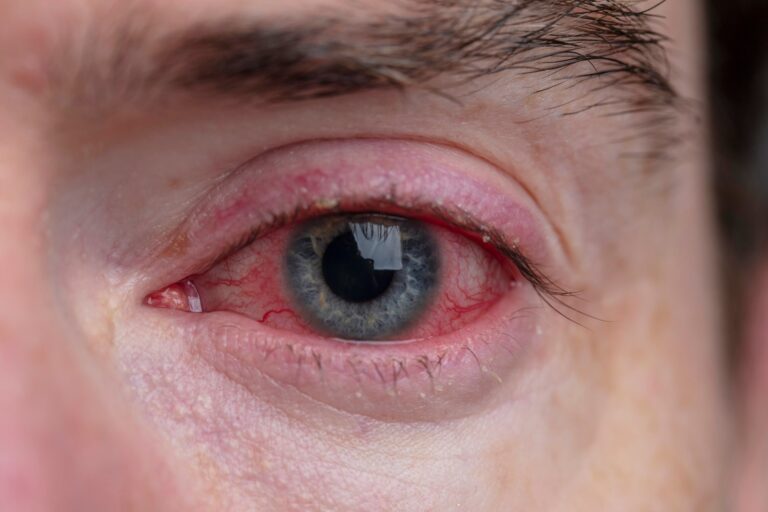
In ophthalmology, it is common for patients to experience symptoms affecting both eyes, including stinging sensations or burning caused by seasonal allergies.
Which allergens can trigger spring conjunctivitis?
Identifying the allergens responsible for irritation is essential.
Pollen, dust mites, and pet dander can all trigger ocular allergies.
Spring conjunctivitis is particularly common during periods of high pollen levels in spring.
By consulting an ophthalmologist, you may undergo allergy testing to identify the substances you should avoid.
How to maintain good eye hygiene to prevent spring conjunctivitis?
First of all, maintaining good eye hygiene can help prevent irritation.
This includes simple measures such as washing your hands regularly, especially before touching your eyes.
Avoiding rubbing your eyes also minimizes the risk of introducing a foreign body or worsening inflammation due to bacteria or contaminants.
Gently cleaning the eyelids and eyelashes with saline solution may also help reduce the presence of irritants on the ocular surface.
During episodes of spring conjunctivitis, these measures can also reduce contact with allergens that accumulate around the eyes.
Applying a cold compress can quickly relieve discomfort and reduce redness.
Which treatments can relieve spring conjunctivitis?
The use of ophthalmic drops, such as artificial tears or antihistamine eye drops, may be beneficial.
Single-dose eye drops are often recommended to limit exposure to preservatives that may irritate the eyes.
If the inflammation becomes more severe, an ophthalmologist may prescribe antibiotic eye drops to prevent bacterial superinfection, particularly if purulent discharge develops.
In some cases, an ophthalmic ointment or an oral antihistamine recommended by a pharmacist or physician may complement the treatment plan.
When spring conjunctivitis becomes recurrent, medical follow-up may be useful in order to adjust treatment according to symptom severity.
Should you avoid contact lenses if you have spring conjunctivitis?
During allergy season, it may be advisable to avoid wearing contact lenses.
Contact lenses can trap allergens and contribute to dry eye symptoms, increasing the risk of blepharitis or corneal irritation.
If you need to wear your contact lenses anyway, be sure to follow proper hygiene practices, particularly by using appropriate contact lens care solutions.
How to protect your eyes against spring conjunctivitis?
When going outdoors, wear sunglasses to shield your eyes from pollen and environmental irritants.
Also, try to avoid outdoor activities during peak pollen periods and spend more time in air-conditioned environments where allergens are filtered.
These simple precautions can help reduce the impact of spring conjunctivitis on the ocular surface.
When to seek medical advice for spring conjunctivitis?
If discomfort persists, consult a healthcare professional. Anti-inflammatory treatments or ophthalmic corticosteroids may be prescribed to alleviate symptoms.
Recovery is generally fast when appropriate treatment is initiated, but certain warning signs should not be ignored.
Be attentive to symptoms such as purulent discharge, swelling, or increased ocular pressure.
More severe manifestations may indicate infectious conjunctivitis, whether bacterial or viral, requiring urgent consultation with an ophthalmologist.
Conclusion
Spring conjunctivitis can be a significant source of discomfort, but by adopting preventive measures and maintaining good eye hygiene, it is possible to protect your eyes effectively.
During spring allergy season, it is important to remain vigilant from the very first symptoms in order to prevent worsening ocular inflammation.
If you have any doubts or if symptoms persist, do not hesitate to consult a healthcare professional for appropriate treatment and an assessment of your visual acuity. Prevention also involves proper environmental management and increased awareness of potential allergens.
Nous utilisons des cookies pour vous garantir la meilleure expérience sur notre site web. Si vous continuez à utiliser ce site, nous supposerons que vous en êtes satisfait.