How to safely manage glaucoma during pregnancy ?
Glaucoma is a chronic eye disease, often asymptomatic, that can lead to irreversible blindness if not diagnosed and treated in time.
When a pregnant woman has glaucoma, or a family history of the condition, it is essential to take specific precautions to preserve vision while ensuring the safety of the fetus.
Understanding glaucoma during pregnancy helps anticipate risks and adapt medical follow-up: read our article to learn more.
Why is ophthalmological follow-up essential for glaucoma during pregnancy?
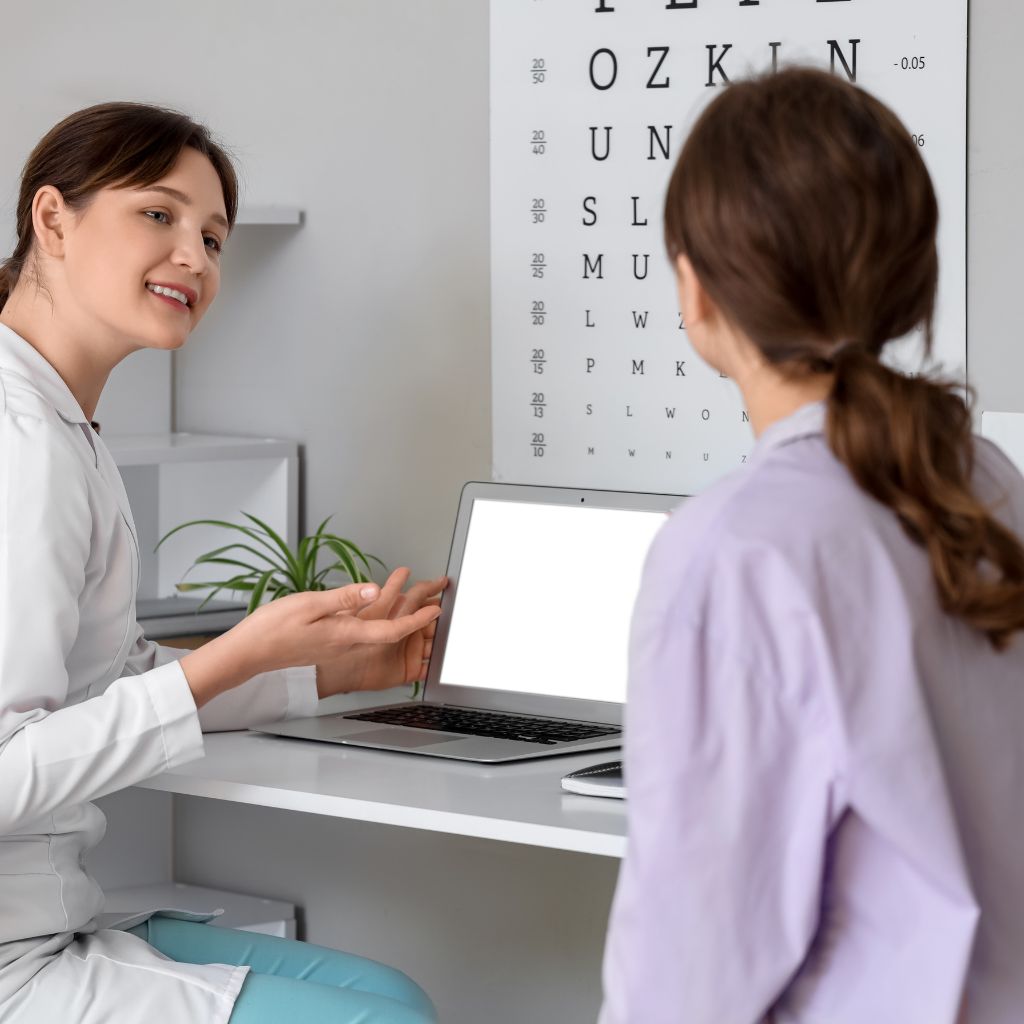
It is crucial for pregnant women to have regular consultations with an ophthalmologist. This allows monitoring of disease progression and adjustment of medical treatment, particularly medications that may affect intraocular pressure.
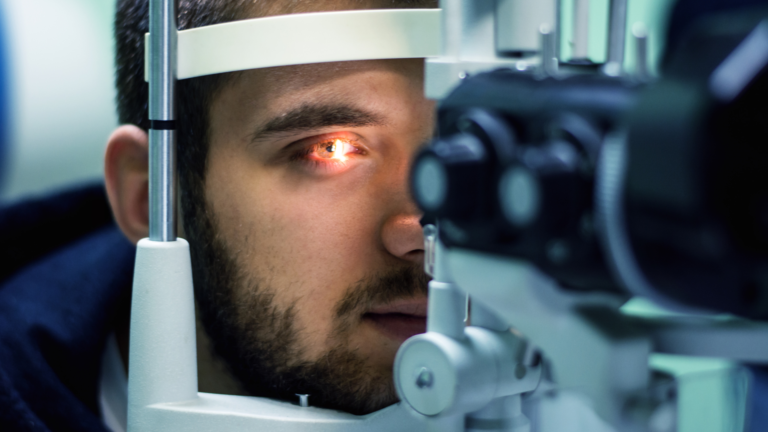
Measuring intraocular pressure (IOP) is essential to assess ocular hypertension and prevent any increase in pressure inside the eyeball.
Ophthalmologists can also ensure regular follow-up of glaucoma, including open-angle glaucoma or angle-closure glaucoma, to monitor its progression during pregnancy.
In ophthalmology, this follow-up also enables early detection of any worsening or damage to the visual field and optic nerve.
In the context of glaucoma during pregnancy, some patients may have normal pressure, while others may develop increased pressure requiring treatment adjustment.
How should glaucoma treatment be adapted during pregnancy?
The choice of medical treatment must be managed with caution. The timing and use of certain medications, due to their potential side effects on the fetus, should be carefully discussed with the ophthalmologist.
In general, beta-blockers and prostaglandin analogs, commonly used to lower intraocular pressure, may require adjustments.
In addition, the use of eye drops must be adapted on a case-by-case basis during pregnancy, carefully weighing the benefit-risk ratio.
Proper instillation of eye drops helps limit systemic absorption and allows for more targeted pressure reduction.
Some eye drops may have potential systemic side effects, which can have implications during pregnancy.
It is therefore essential to prioritize ophthalmic treatments with well-established safety profiles.
Particular attention should be paid to certain therapeutic classes, especially alpha-adrenergic agonists in late pregnancy.
In glaucoma during pregnancy, treatment is often based on well-tolerated first-line options, with medications prescribed individually to limit any increase in intraocular pressure.
When should surgical treatment be considered for glaucoma during pregnancy?
In some cases, when intraocular pressure is insufficient or the disease progresses, surgical treatment may become an option.
Filtering surgery, performed under anesthesia, may be considered.
However, it must be carefully planned, taking into account the stage of pregnancy, blood pressure, and associated risks.
Selective laser trabeculoplasty (SLT) may also be considered in certain cases, particularly to reduce dependence on medications by improving aqueous humor outflow.
This technique can help lower intraocular pressure without prolonged drug treatment.
In glaucoma during pregnancy, these decisions must always be made on a case-by-case basis, in close collaboration with your specialist.
What warning signs should be monitored in case of glaucoma during pregnancy?
During pregnancy, women should be aware of warning signs of glaucoma, such as halos around lights, reduced peripheral vision, or decreased visual acuity.
In cases of acute angle-closure glaucoma, symptoms such as headaches, nausea, severe eye pain, or sudden blurred vision may appear abruptly. These signs constitute an ophthalmological emergency.
Awareness of these symptoms allows early detection and helps prevent irreversible visual field damage.
Glaucoma during pregnancy can progress silently, which is why regular monitoring is essential.

How to monitor vision and prevent complications of glaucoma during pregnancy?
During pregnancy, the body undergoes many changes that can affect both central and peripheral vision. Careful monitoring is therefore necessary to detect any changes in intraocular pressure, the optic nerve, or the visual field.
Ophthalmologists can perform detailed eye examinations to assess the health of the optic nerve, retina, and eyeball. These tests help establish an accurate diagnosis and monitor disease progression.
In some cases, a preventive strategy may be implemented to reduce the risk of glaucoma or prevent worsening symptoms. Monitoring should include both eyes, as some conditions may be asymmetrical.
Glaucoma during pregnancy therefore requires comprehensive management, including intraocular pressure control, visual field monitoring, and treatment adjustment.
Conclusion
In summary, glaucoma during pregnancy requires close monitoring and careful therapeutic adjustments. Pregnant women should maintain regular collaboration with their ophthalmologist to adapt treatment and prevent any increase in intraocular pressure.
Preventing complications, monitoring the visual field, and ensuring appropriate glaucoma management are essential to avoid disease progression and preserve long-term vision.
With personalized care, it is possible to effectively manage glaucoma during pregnancy while ensuring the safety of both mother and child.